Solid hardwood species, dimensions, and hardness
Solid hardwood is milled from one piece of wood. 3/4-inch tongue-and-groove flooring is a common choice, with traditional 2 1/4-inch strips, 3 1/4-inch boards, and wider plank options. Thickness, available widths, lengths, and grades depend on the manufacturer and species; confirm the exact product before ordering.
Compare common solid hardwood species| Species | Approximate Janka hardness (lbf) | Appearance and practical considerations |
|---|
| Northern red oak | 1,290 | Warm reddish tones and prominent grain; compare existing boards carefully when extending an older floor. |
|---|
| White oak | 1,360 | Light brown tones; plain-, rift-, and quarter-sawn boards create different grain patterns. |
|---|
| Hard maple | 1,450 | Pale color and subdued grain; preview stain on the actual wood before selecting a color. |
|---|
| Hickory / pecan | 1,820 | Strong light-to-dark variation and greater dent resistance among these four choices. |
|---|
Janka measures resistance to indentation, not finish scratch resistance or water protection. For homes with large dogs, compare hardness alongside finish, texture, and sheen. Keep nails trimmed, remove grit, and wipe up accidents promptly; no hardwood is scratch-proof.
Reference: NWFA wood hardness guide.
How hardwood grades affect appearance and price
Unfinished oak grades: compare the look and the quote| Grade | Typical appearance | Budget considerations |
|---|
| Select / Select & Better | Fewer character marks than Common grades, while retaining natural color variation. | Often priced above Common grades for otherwise comparable products; verify the supplier's actual specification. |
|---|
| No. 1 Common | More color contrast and visible natural character. | May offer a balance of appearance and material cost. |
|---|
| No. 2 Common | Stronger variation and a more rustic look. | May reduce the purchase price, but sorting and the required order quantity can affect total cost. |
|---|
Grade describes appearance rather than species hardness. Names and allowances differ by species and mill, so oak grade descriptions should not be applied automatically to maple or hickory. Compare the same species, width, cut, and finish when requesting grade alternatives.
Solid hardwood flooring cost in Bellevue and Seattle
Our published installed planning range is $9–$15+ per square foot. Nail-down installation labor alone is generally quoted in our $4–$8 per square foot planning range, with materials separate. These are different scopes: do not add the labor range on top of an installed quote. Confirm whether sanding, stain, and finish are included for unfinished wood.
At $9–$15 per square foot, a 500-square-foot project would calculate to $4,500–$7,500; premium products and additional work can exceed that example. Species, grade, board width, pattern, removal, subfloor repairs, moisture-control work, stairs, furniture moving, and trim affect the final estimate. Ask for material and labor line items and any exclusions in writing.
How much extra hardwood should you order?
Allow extra flooring for cuts, layout, and board selection. 10% is a planning example, not a universal rule. The product, grade, room shape, and installation pattern determine the allowance. For example, Bruce's general guidance uses 5% for standard layouts and 10% for diagonal layouts; special products or methods can require more.
Ordering example for a 500-square-foot floor| Allowance | Calculation | Quantity before carton rounding |
|---|
| 5% extra | 500 × 1.05 | 525 sq. ft. |
|---|
| 10% extra | 500 × 1.10 | 550 sq. ft. |
|---|
Round to full cartons and confirm the order quantity before purchase. Keep suitable spare boards for future repairs. Material order quantity and the area receiving installation labor are different measurements.
Reference: Bruce ordering guidance.
Acclimation: moisture readings decide readiness
Solid wood should be conditioned for the home's normal occupied environment before installation. Enclose the building, operate heating or cooling, and complete wet construction work before delivery. Follow the flooring manufacturer's storage instructions and measure both flooring and subfloor moisture.
A set number of days does not prove the wood is ready. Moisture targets depend on the product, board width, and site. NWFA's general year-round guidance is 60–80°F and 30–50% relative humidity; follow the selected product's requirements where they differ. Keep suitable conditions after installation, too.
Subfloor preparation and installation schedule
A nail-down floor needs a clean, dry, flat, structurally sound wood subfloor. Preparation includes evaluating support and panel thickness, securing loose areas, investigating squeaks, correcting high and low spots, and checking moisture. The required plywood or OSB specification depends on joist spacing and the flooring system.
Flatness is not the same as levelness. As one manufacturer example, Bruce's 3/4-inch solid installation guide specifies 3/16 inch over 10 feet and/or 1/8 inch over 6 feet. The selected product's instructions determine the applicable tolerance and approved correction method. Confirm preparation and any moisture-control materials in the estimate.
Plan the work in stages| Stage | What affects the schedule |
|---|
| Product selection and delivery | Availability, matching trim, grade, and order quantity. |
|---|
| Conditioning and preparation | Moisture readings, indoor conditions, old-floor removal, and subfloor repairs. |
|---|
| Board installation | Room area, access, layout, borders, stairs, and fastening requirements. |
|---|
| Finishing and return to use | Prefinished wood avoids on-site coating. Unfinished wood adds sanding, optional stain, and finish application; foot traffic, furniture, and rugs have separate product-specific waiting periods. |
|---|
Request a project schedule that includes these stages. An installation-only day estimate does not include every delivery, acclimation, or curing delay.
References: Bruce solid-floor installation guide and NWFA moisture guidance.
Long-term care, recoating, and refinishing
Remove grit with a soft broom or a vacuum's bare-floor setting. Wipe up spills promptly, use a finish-approved cleaner, and avoid wet or steam mopping. Add furniture pads and suitable entry mats, and follow the finish's curing instructions before placing rugs or cleaning a newly coated floor.
In Puget Sound homes, tracked-in rain, leaks, and seasonal indoor humidity all matter. Use a hygrometer to monitor conditions. Small seasonal gaps can change as humidity changes; persistent wide gaps or cupping deserve a moisture assessment before repairs.
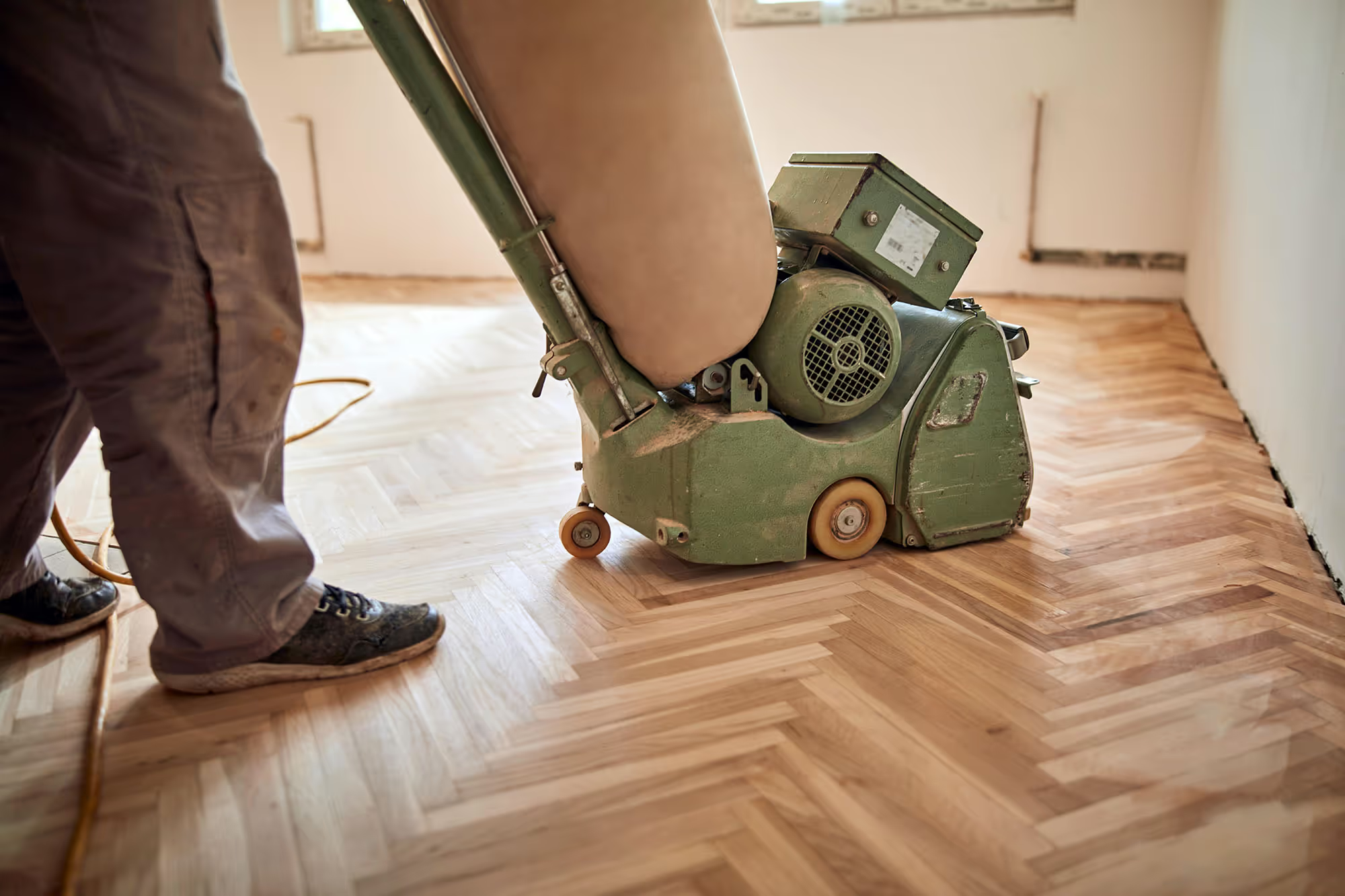
Refinish based on condition, not a fixed calendar. A compatible maintenance recoat can renew surface wear without sanding to bare wood. Full refinishing removes wood, and feasibility depends on remaining thickness above the tongue, prior sanding, exposed fasteners, and damage. A 3/4-inch board is not sandable through its entire thickness; the number of possible refinishes varies by floor.
Learn about unfinished hardwood and custom finishing, or compare engineered hardwood options for a different installation setting.