1,000+ Floors Installed & Restored Across Washington
Refresh dull hardwood floors in Seattle, Bellevue and the Eastside with OC Flooring. Buff and recoat renews the protective finish on suitable floors with light surface wear. Start with a free in-home estimate to find out whether recoating, repair or full refinishing fits your floor.



Daily life leaves its mark — shoes, pets, spills, and scratches all wear down your hardwood’s shine. Buff & Coat restores that smooth, polished look while protecting your floors against future damage. It’s a simple way to extend the life of your hardwood and keep it looking its best, without the cost of full refinishing.
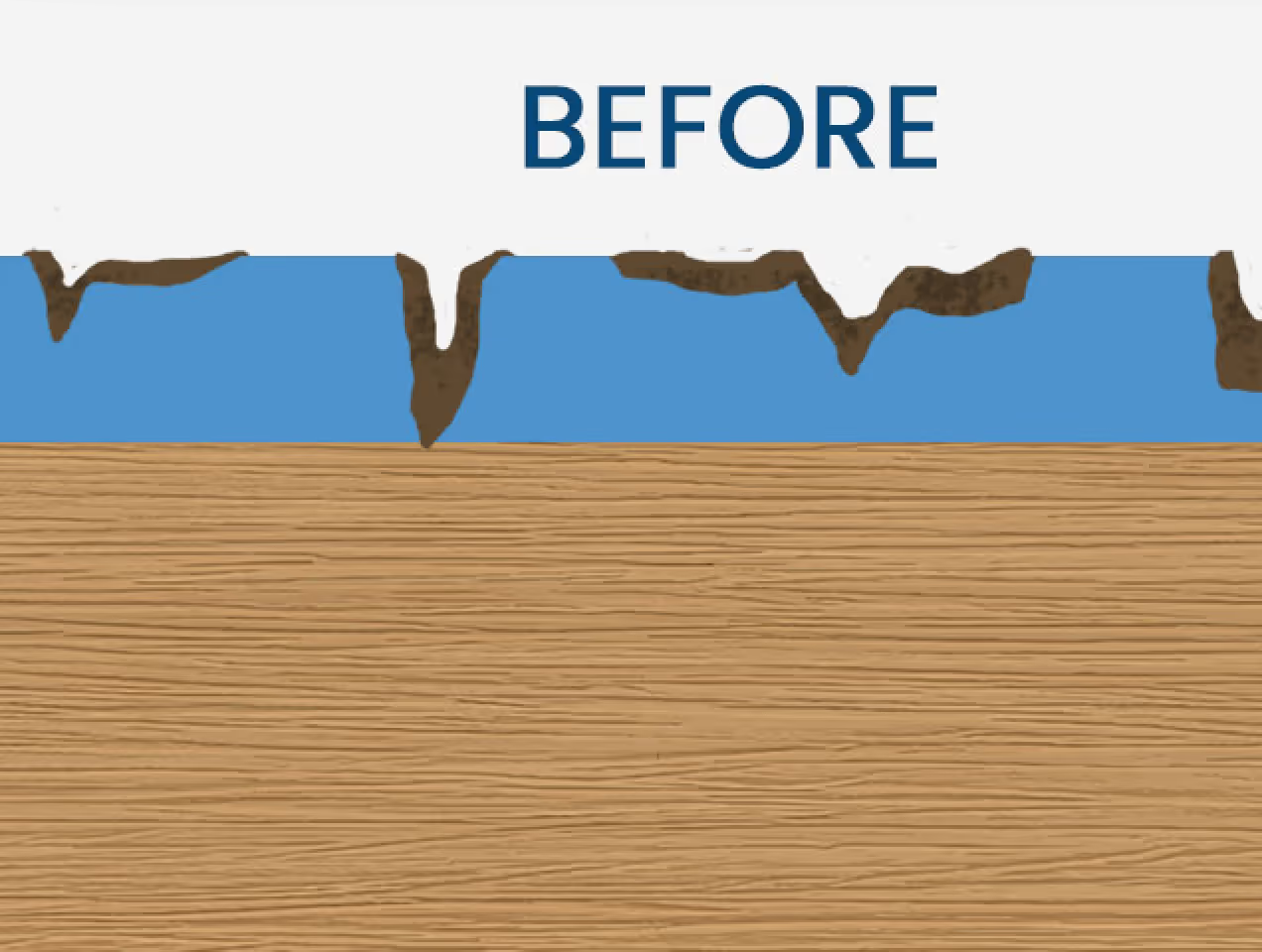

Buff & Coat works best when hardwood floors look dull or have light scuffs in the finish, while the protective coating and wood underneath remain intact. Recoating before the finish wears through renews that protection. A successful result starts with preparation: checking floor condition, cleaning-product residue, the existing finish and the new coating’s adhesion before treating the entire floor.
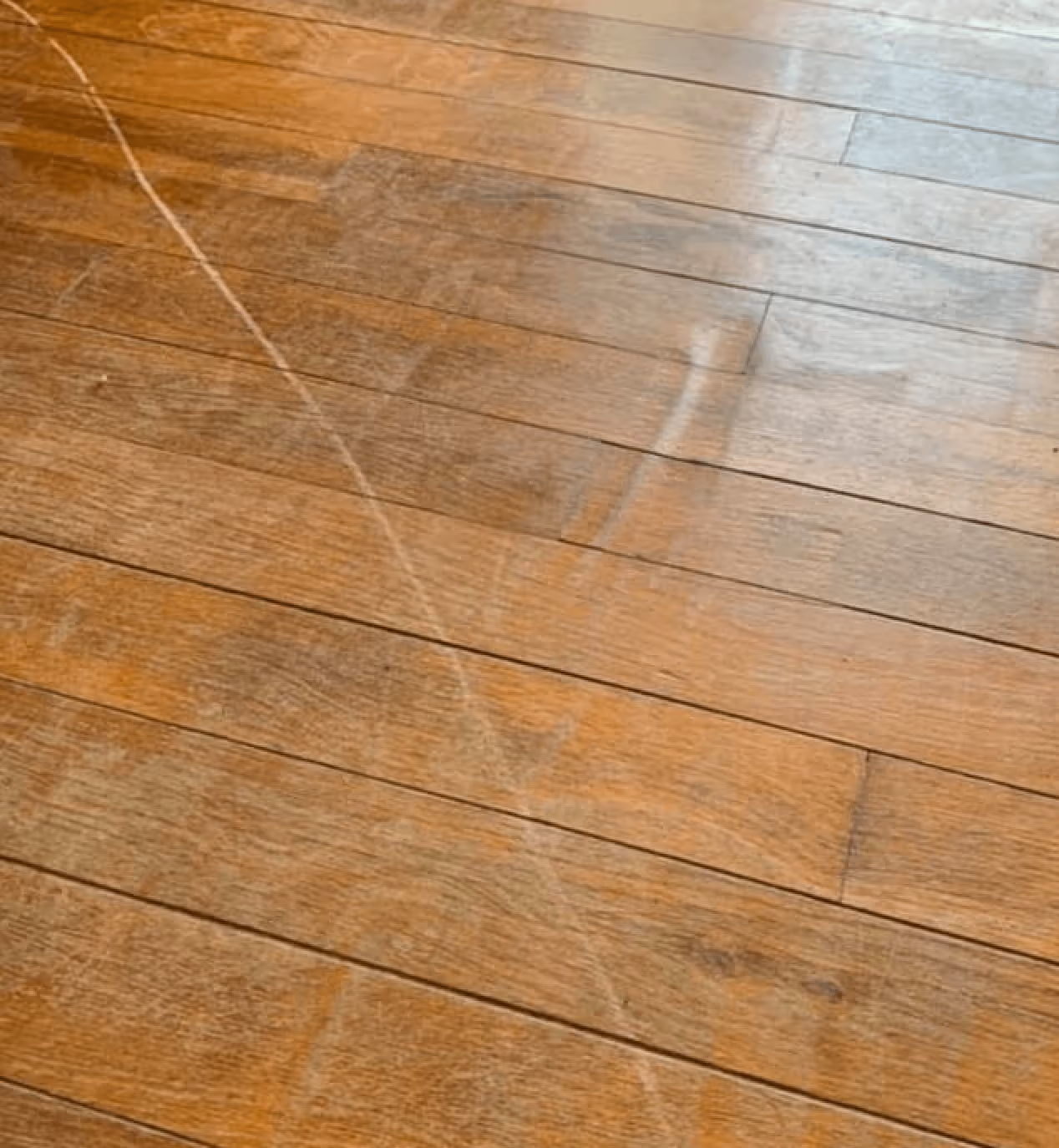

Often, yes—if the existing finish is intact and compatible with the new coating. Recoating renews the finish above the wood; it does not thicken an engineered floor’s wood veneer. Bare spots, peeling layers or deep damage need a different assessment.
Bring the names or bottles of cleaners, polishes and restoration products you have used to your estimate. Wax, silicone, oil-soap residue and acrylic maintenance coatings can interfere with a new finish.
Preparation must follow the chosen system’s instructions. Some residues can be removed with an approved process; others rule out that recoat system. For example, Basic Coatings’ TyKote instructions require removal of acrylic polish and exclude floors that test positive for paste wax. Buffing alone does not establish that a contaminated floor is ready to coat.
Identify the existing finish from installation records or product information where possible. A coin scratch, water beading or an acetone wipe cannot reliably approve a floor for recoating. Appearance alone is not an adhesion test.
Test areas should include the proposed cleaning, preparation and finish, followed by the manufacturer’s specified drying and adhesion checks. Include representative locations in the main floor area; a closet alone may not reflect cleaning-product buildup elsewhere. If a test fails, change the preparation or restoration plan before coating the room. A product described as “water-based” is not automatically compatible with every old finish.
Technical references: Bona Prep instructions and Basic Coatings TyKote application instructions. These are examples of manufacturer systems; the appropriate products depend on your floor.
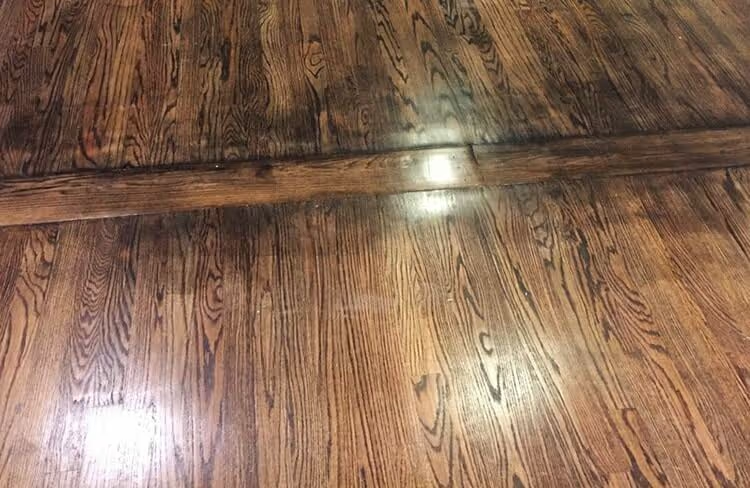
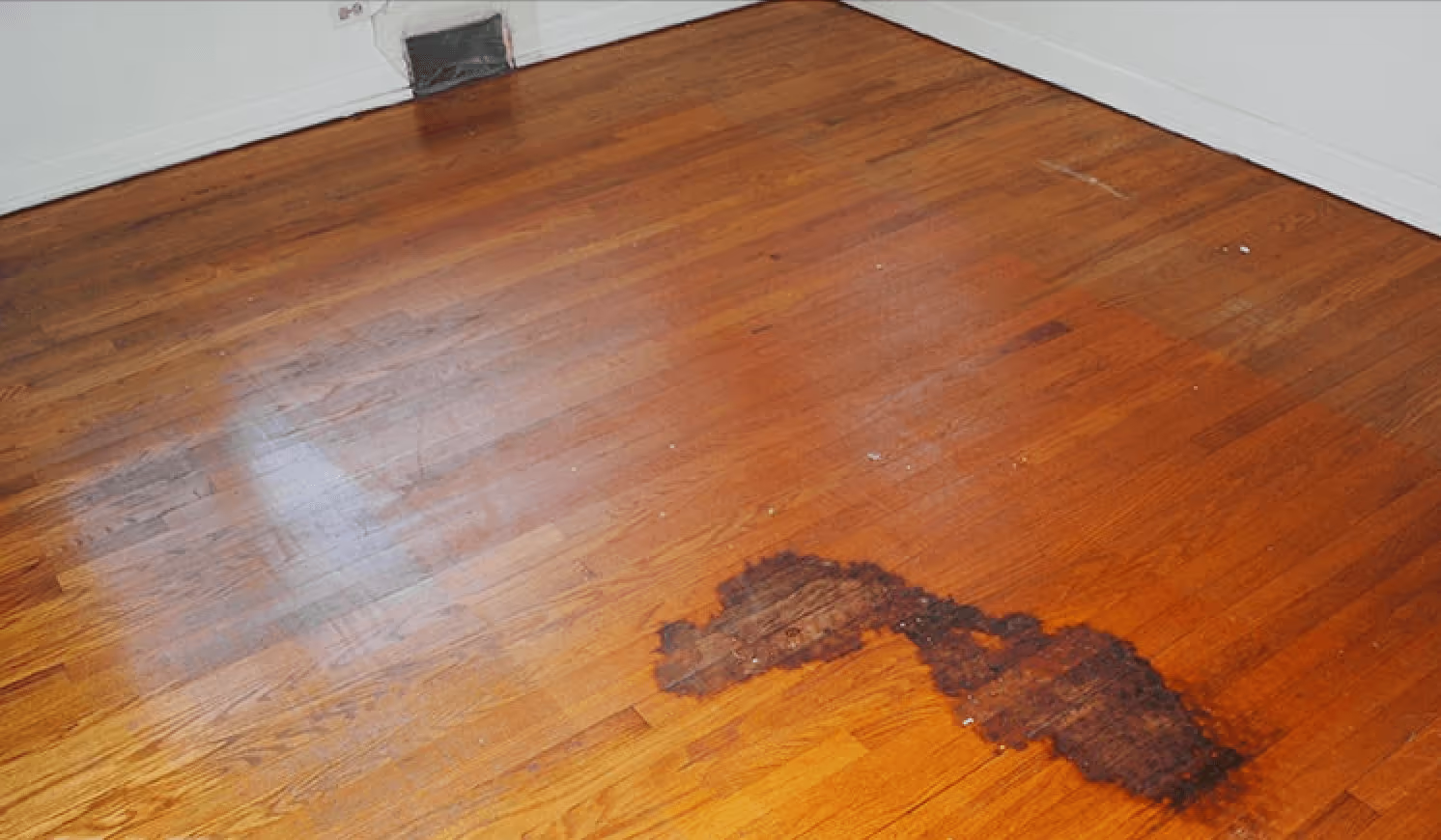
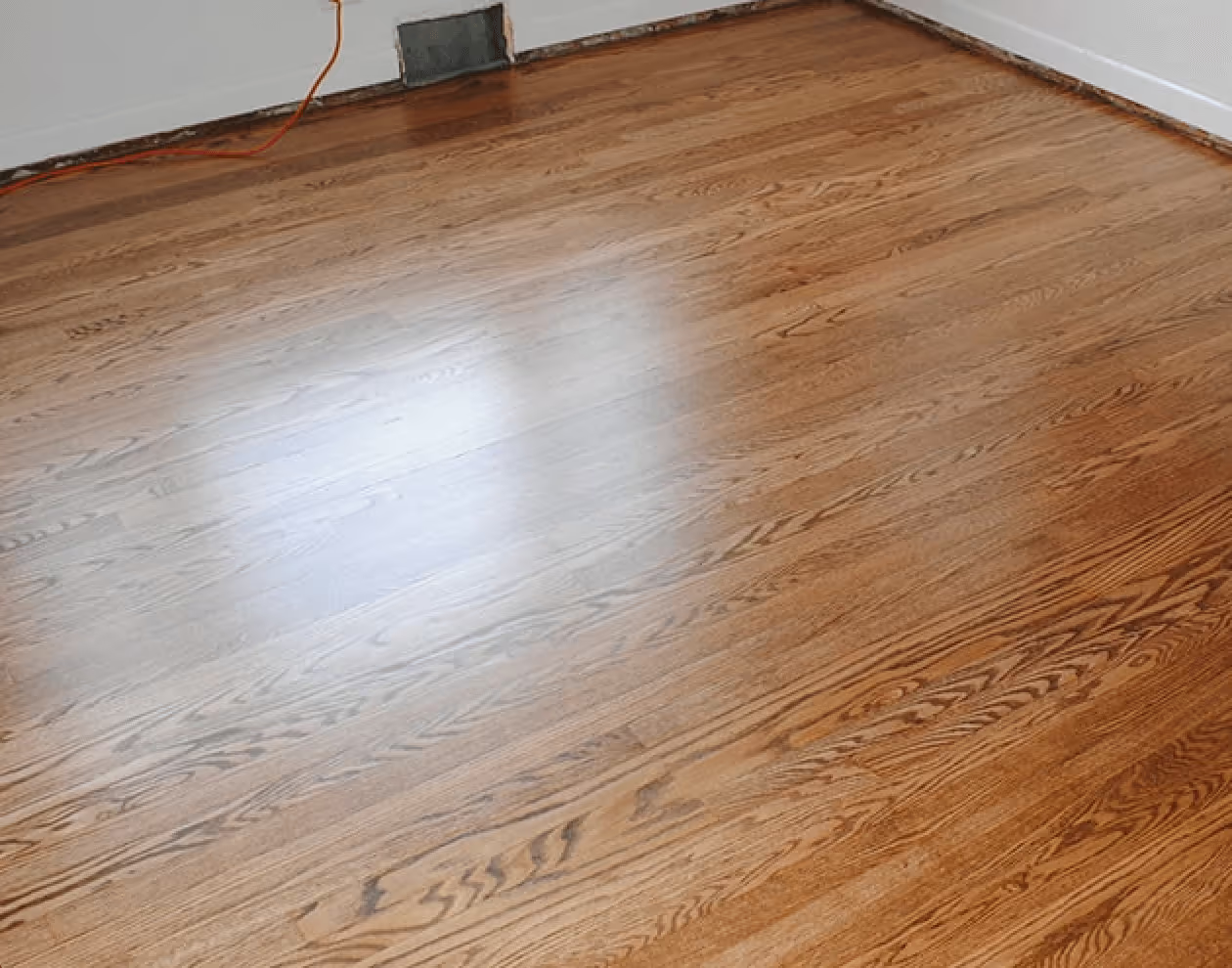
There is no universal 120 → 150 → 220 grit sequence. Use the abrasive, equipment and preparation method specified for the selected finish system. Adding finer passes is not automatically better for adhesion.
The product instructions determine the buffer or applicator, compatible pads or abrasives, edge tools, vacuum, approved cleaners and protective equipment. A rented rotary buffer takes practice to control; uneven abrasion can leave visible marks or damage the existing finish. If you cannot control the machine or confirm compatibility, arrange a professional assessment.
Request a free in-home estimate from OC Flooring for hardwood floor recoating in Seattle, Bellevue and the Eastside.
Read the Bona Prep and TyKote instructions for the complete product-specific procedures. For moisture concerns, see NWFA problem prevention.