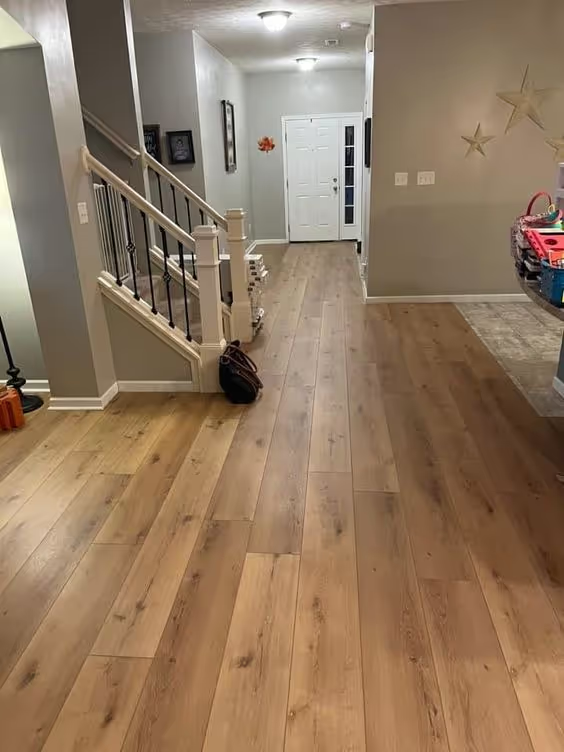
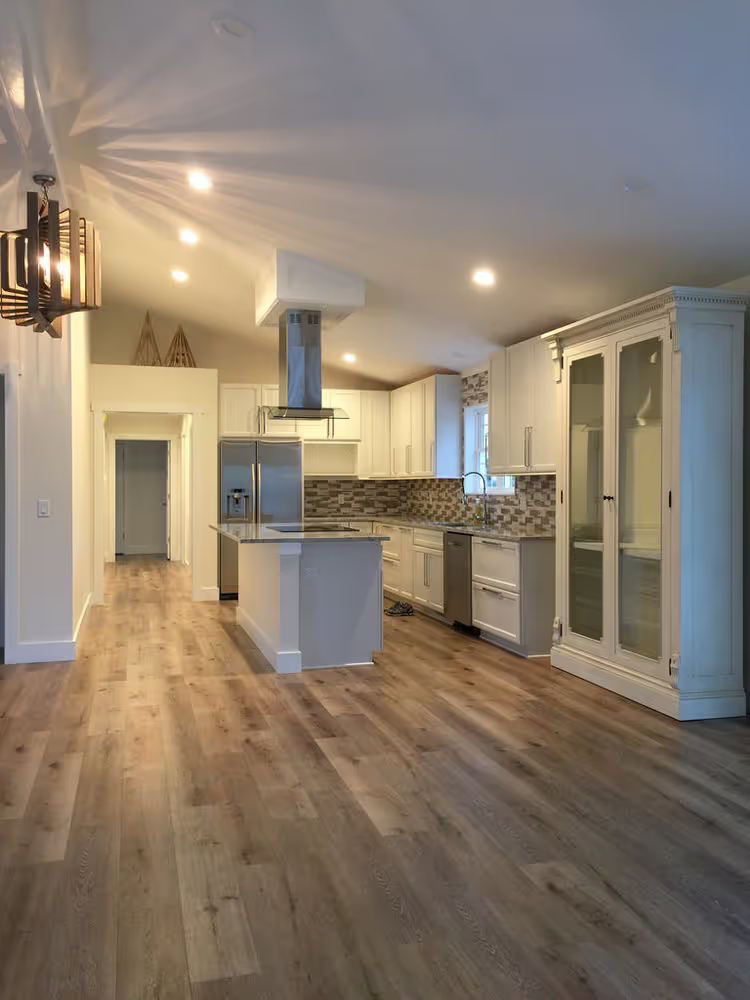
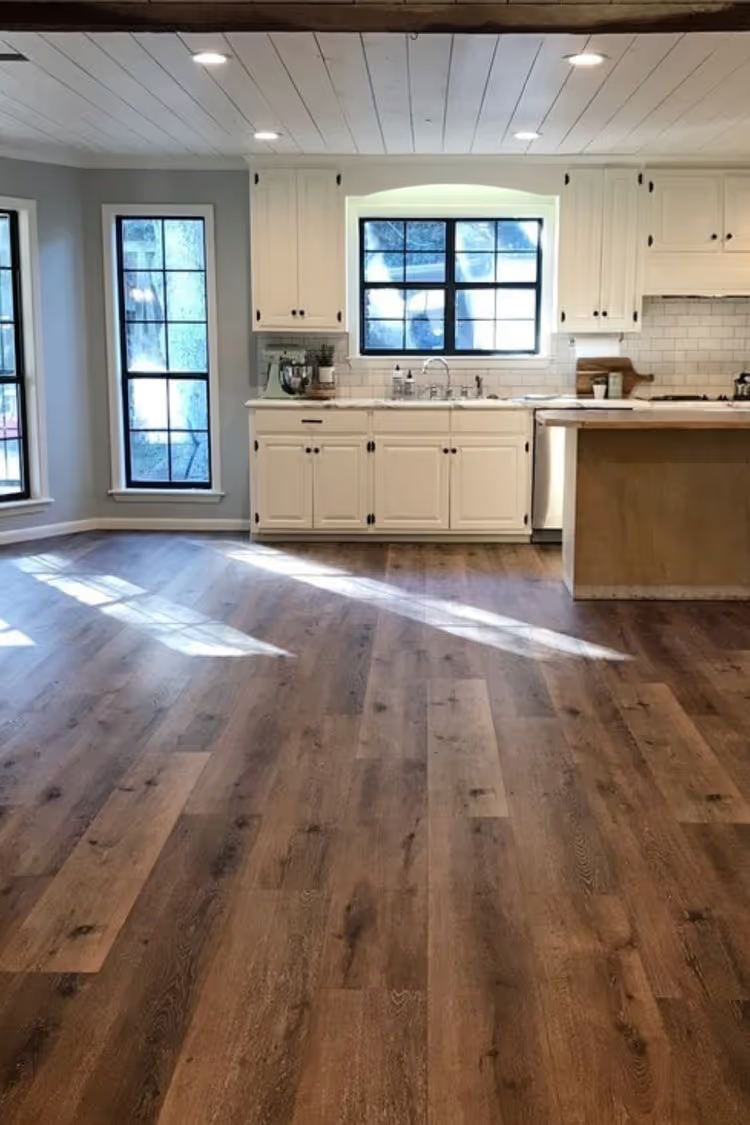
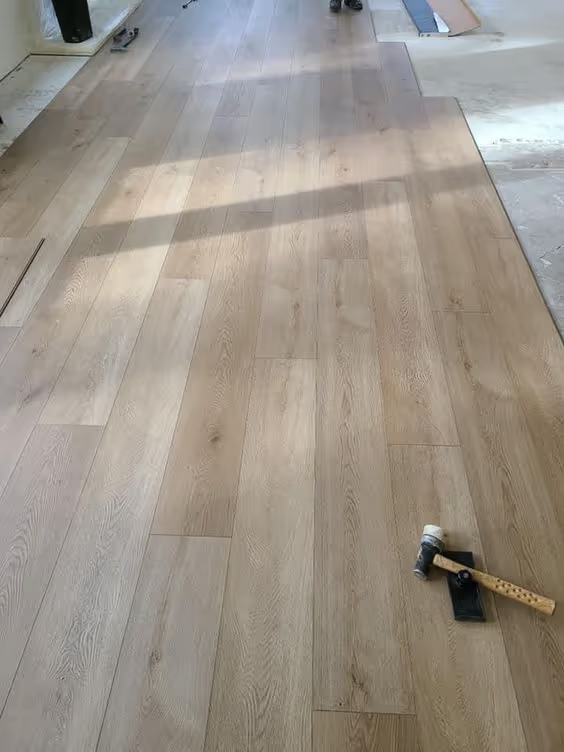
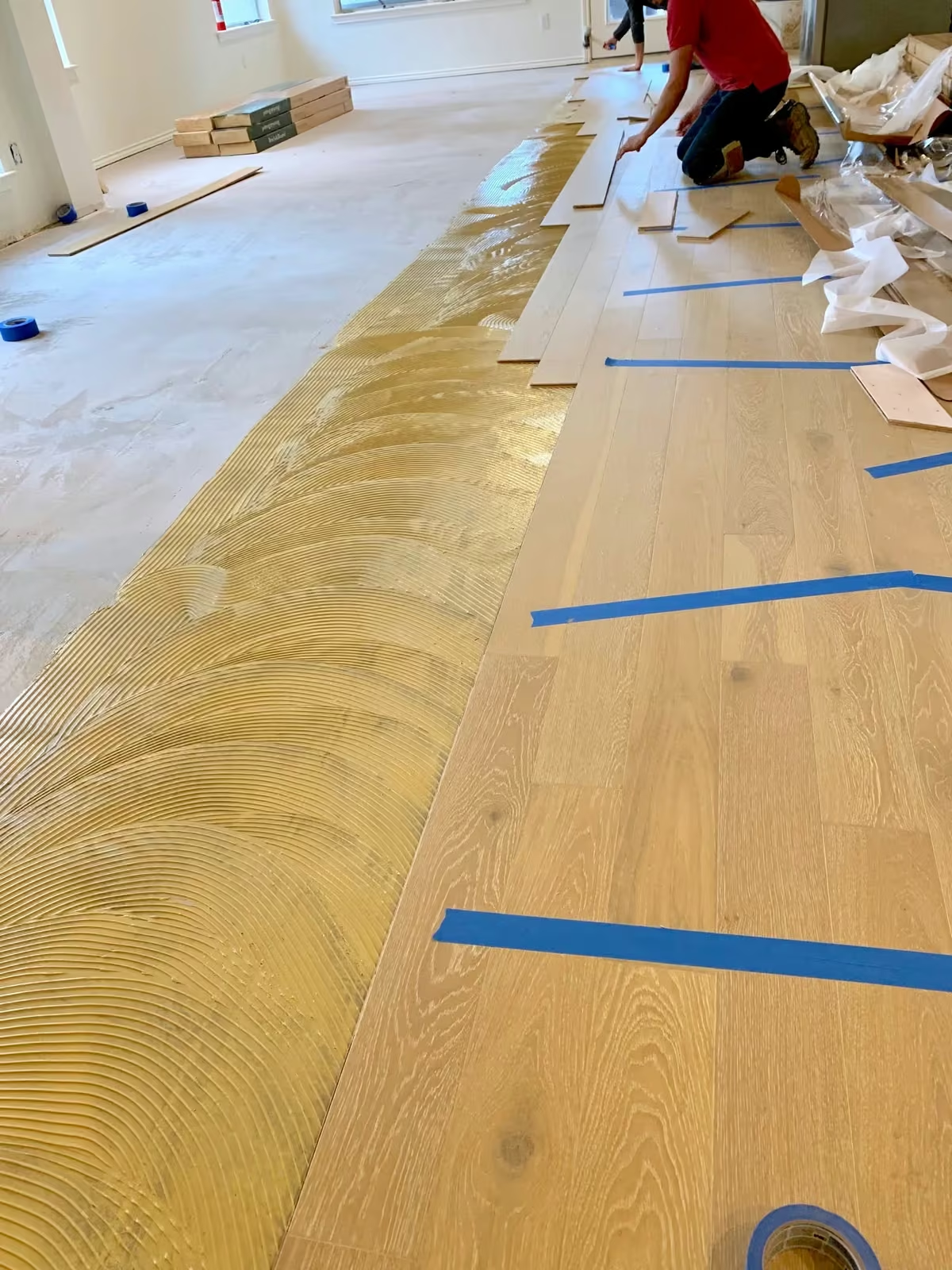
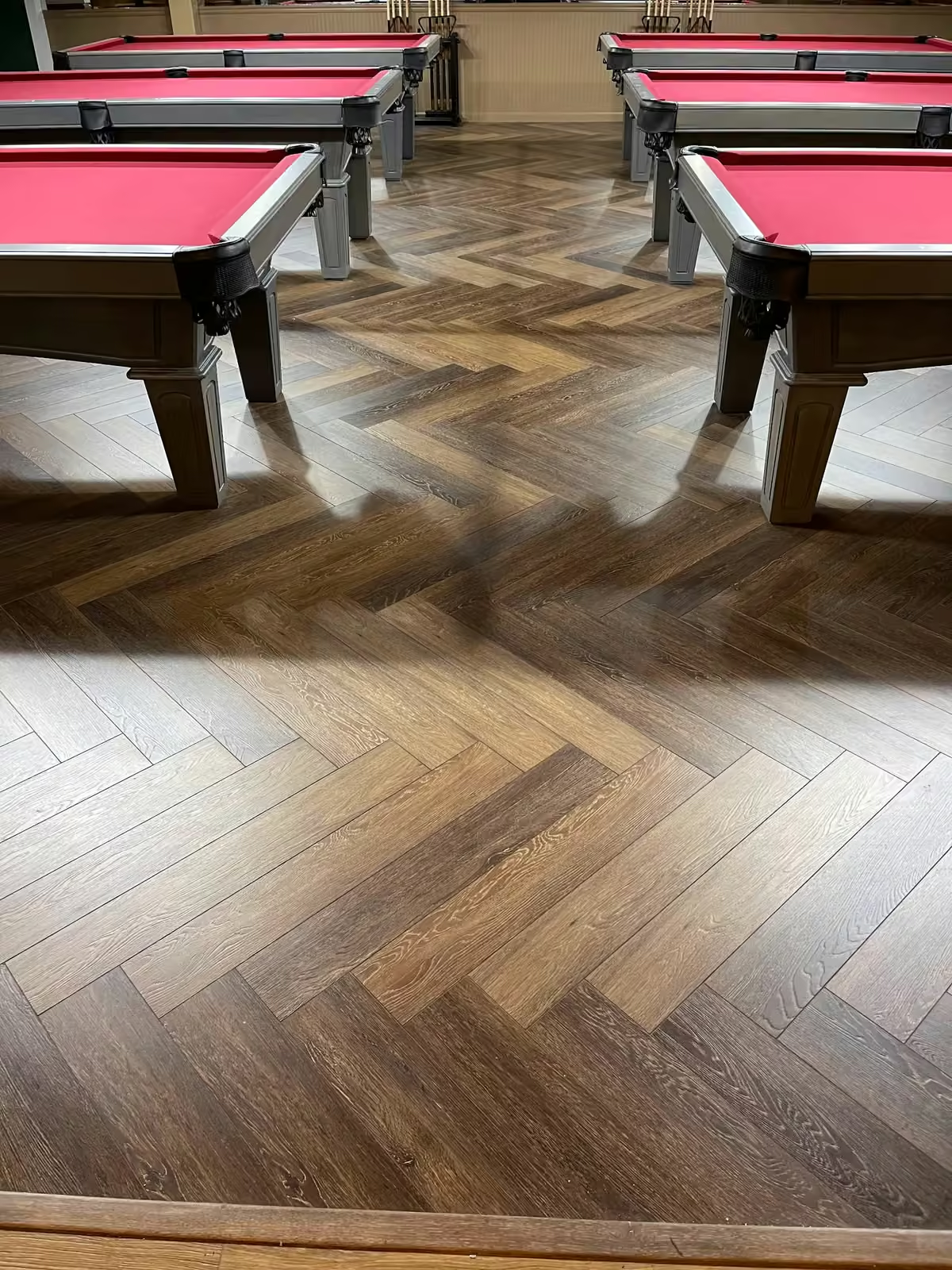
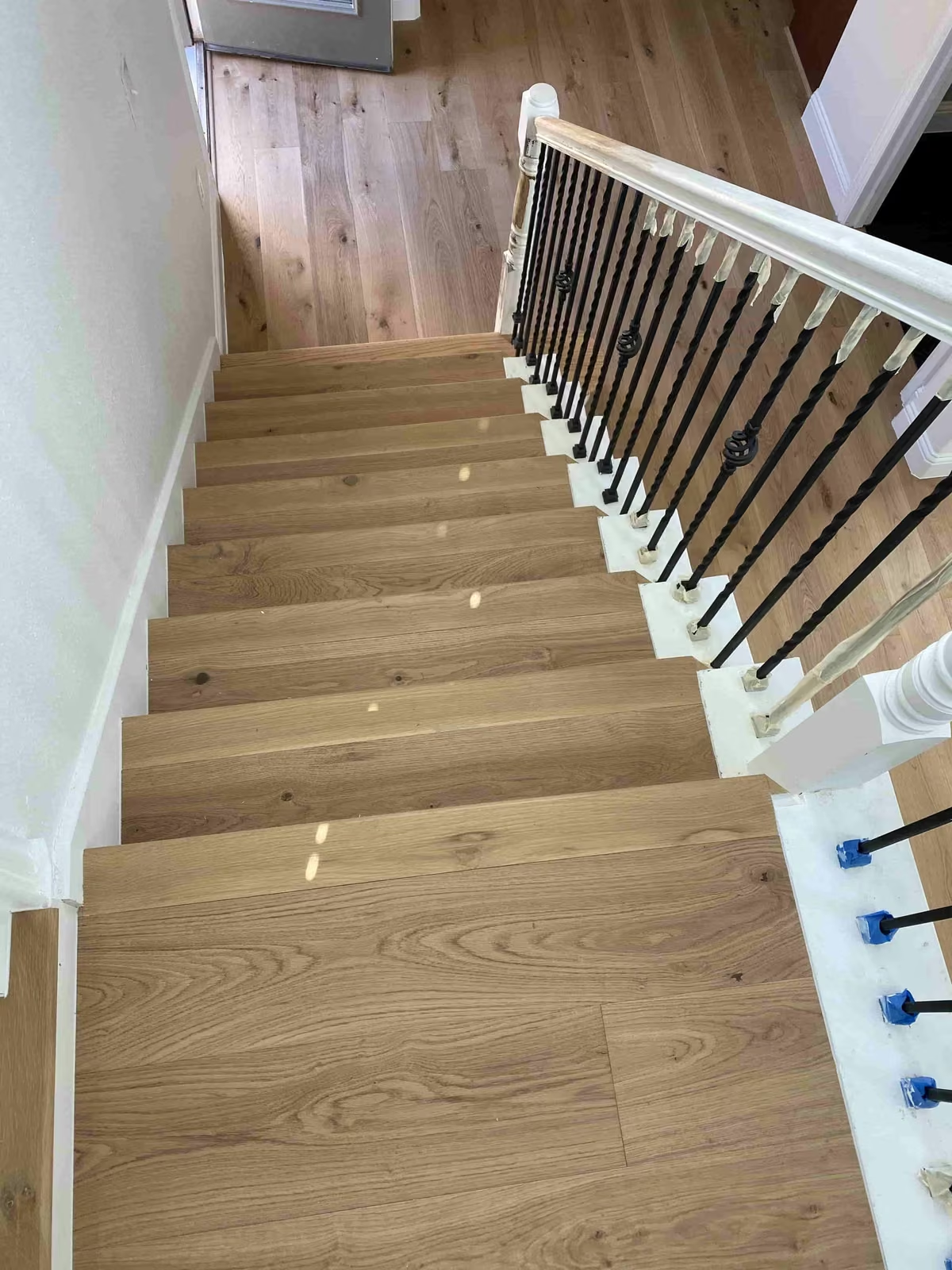
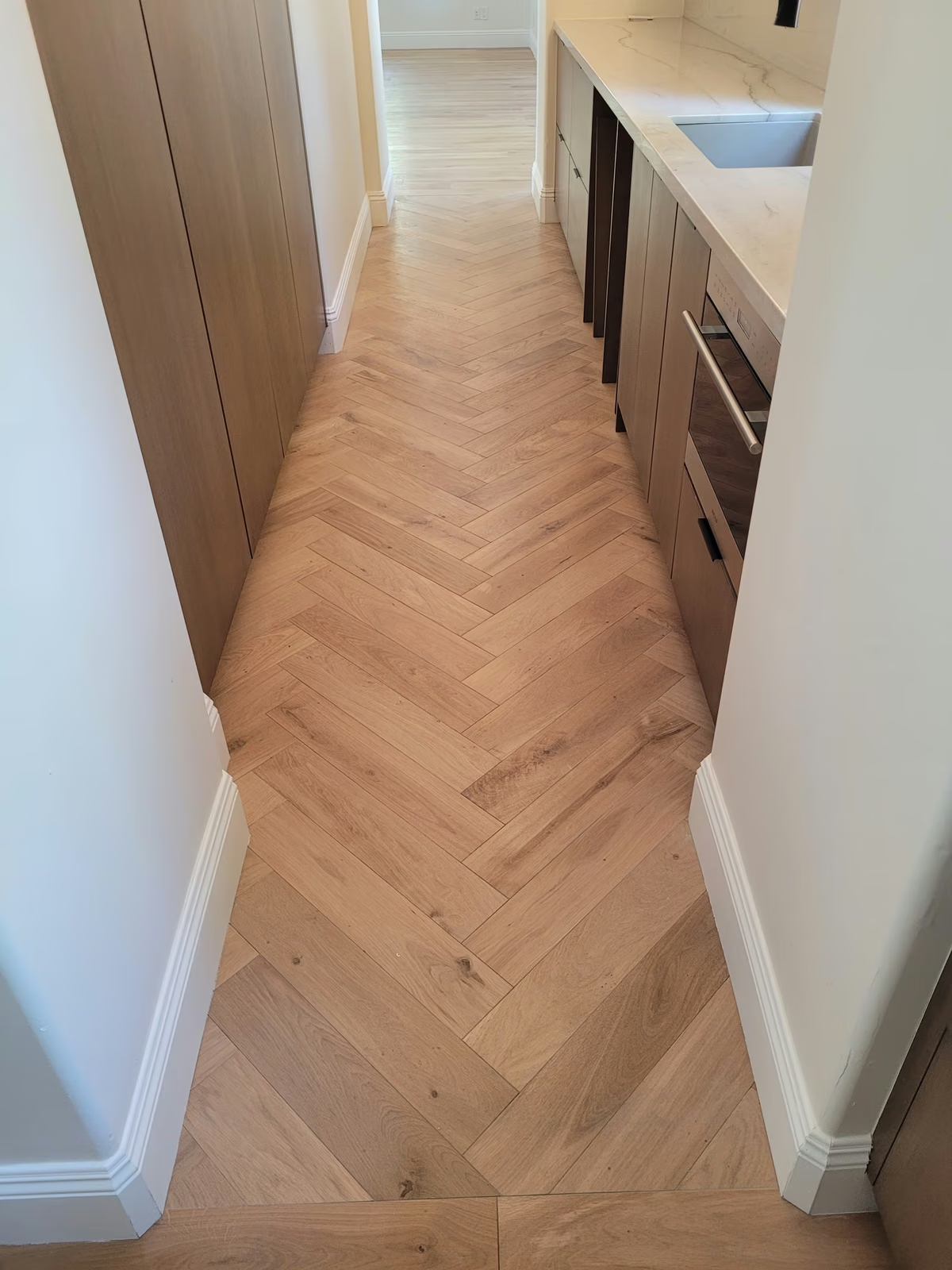
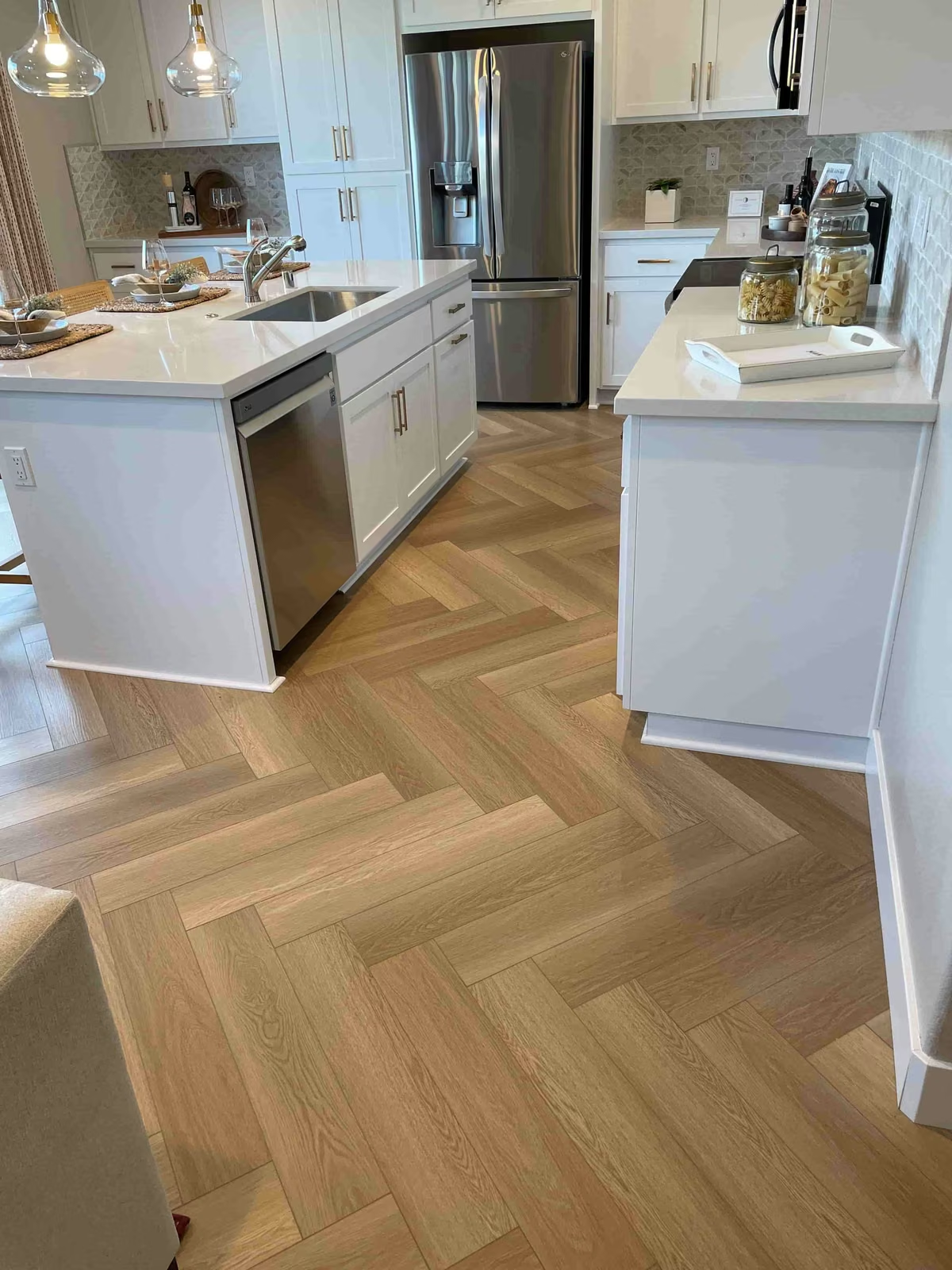
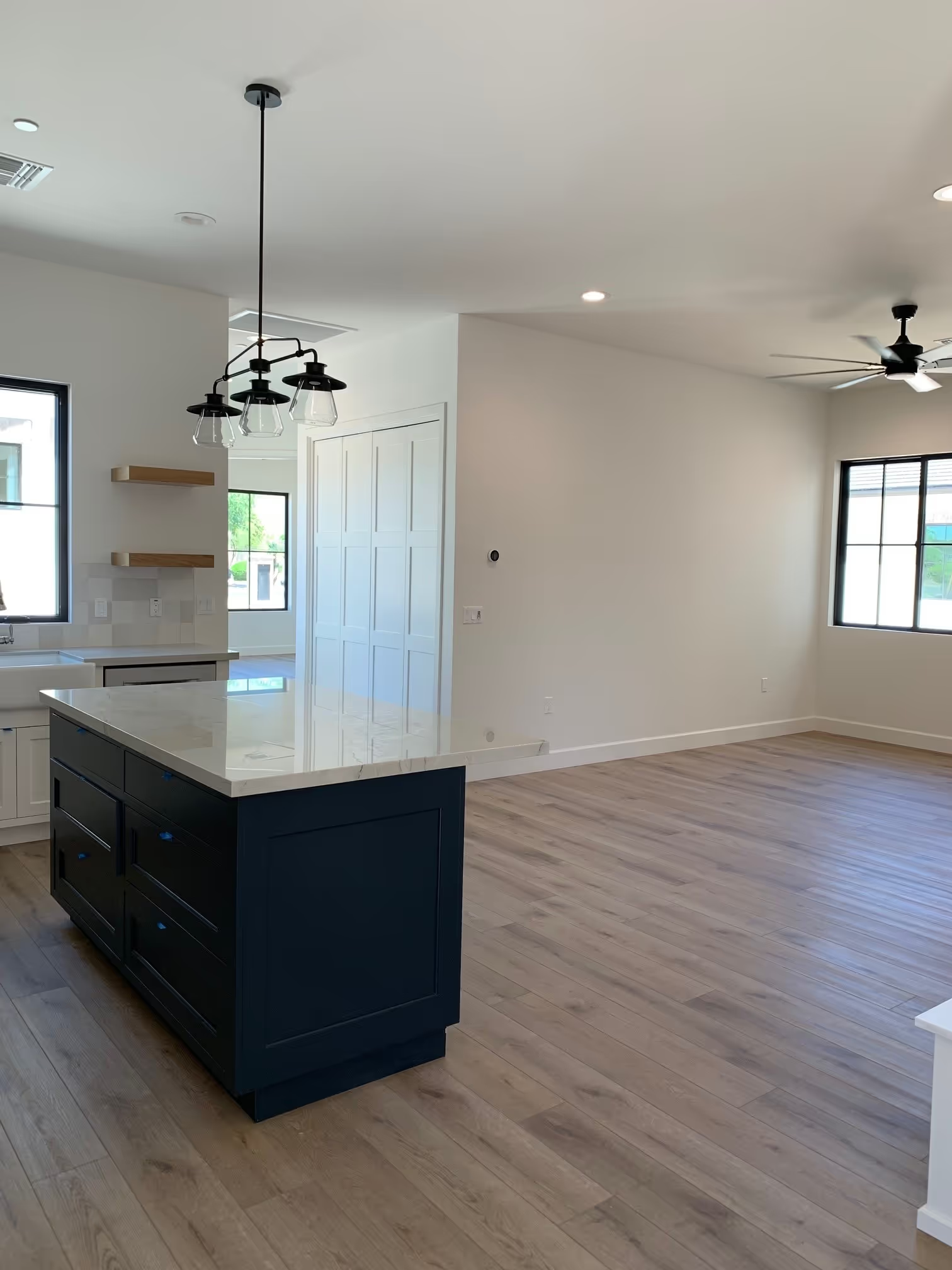
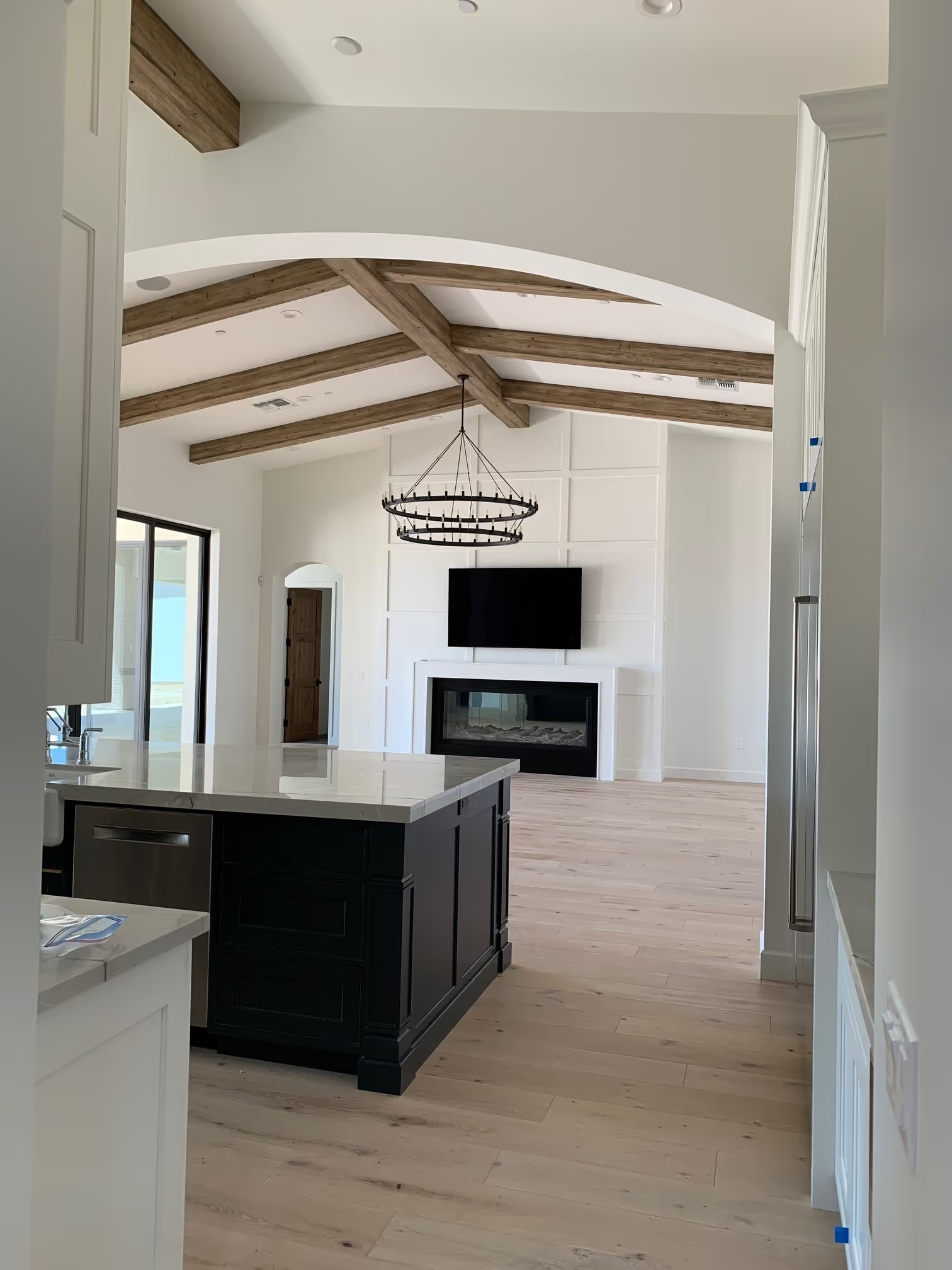
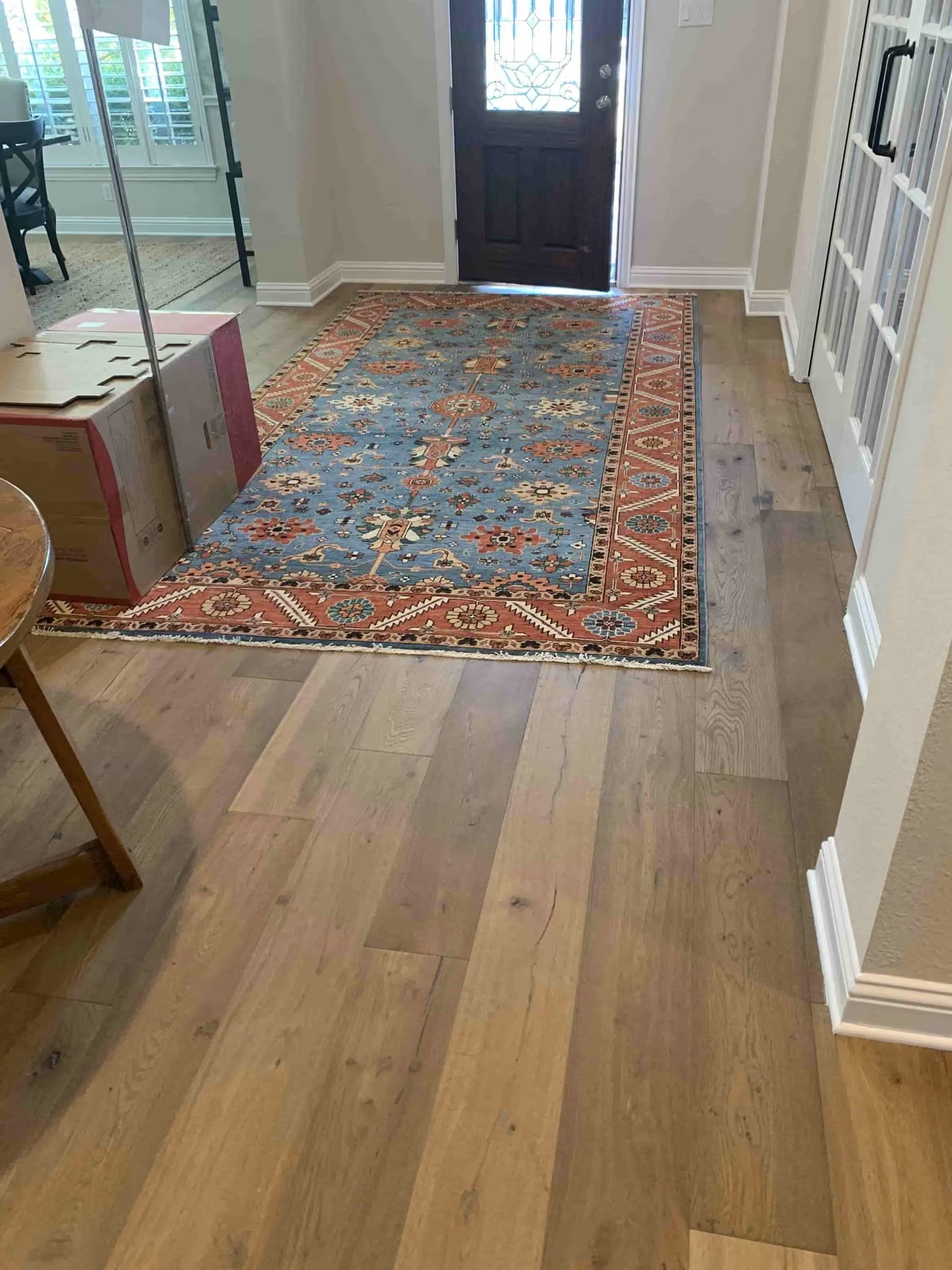
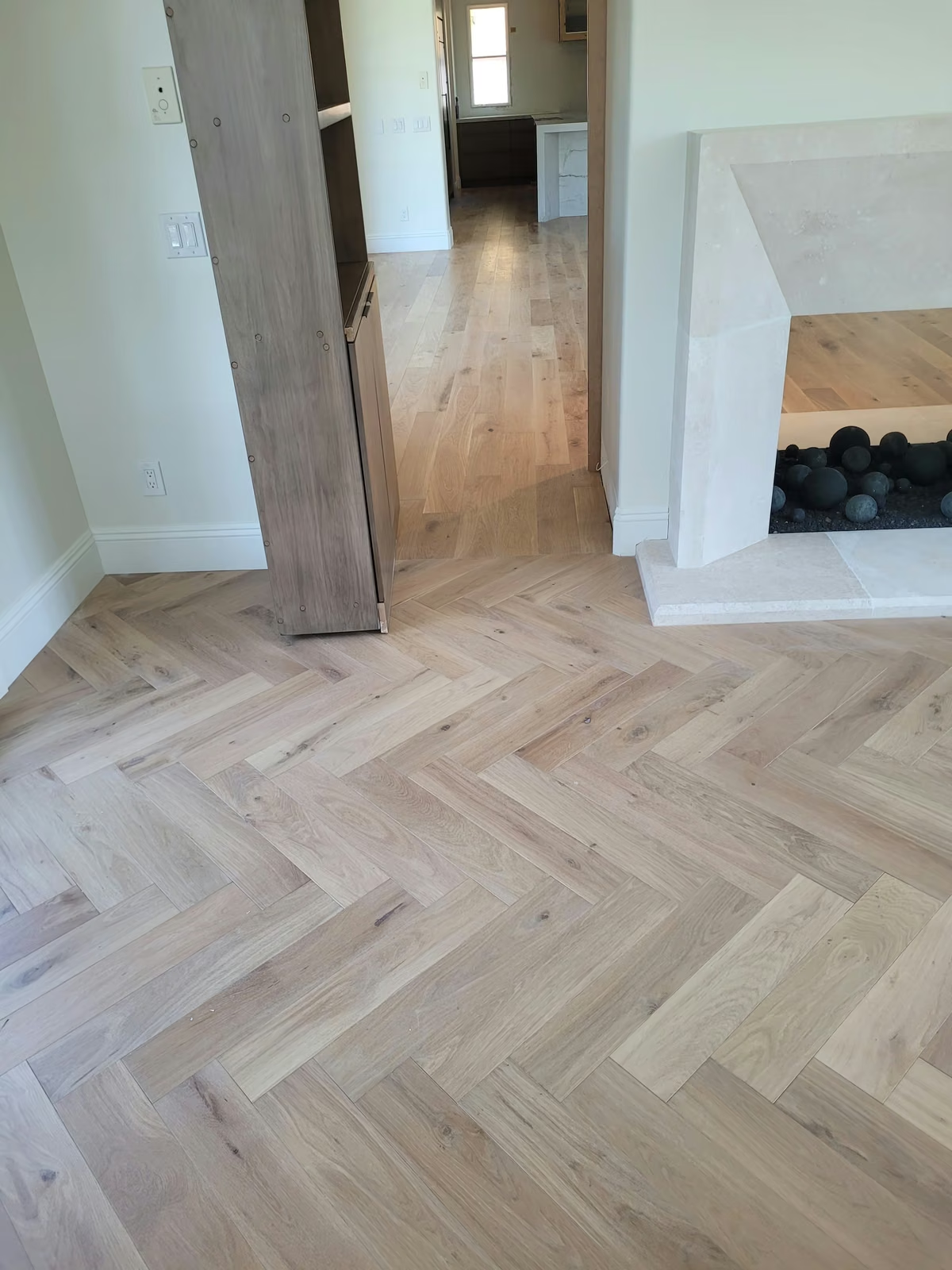
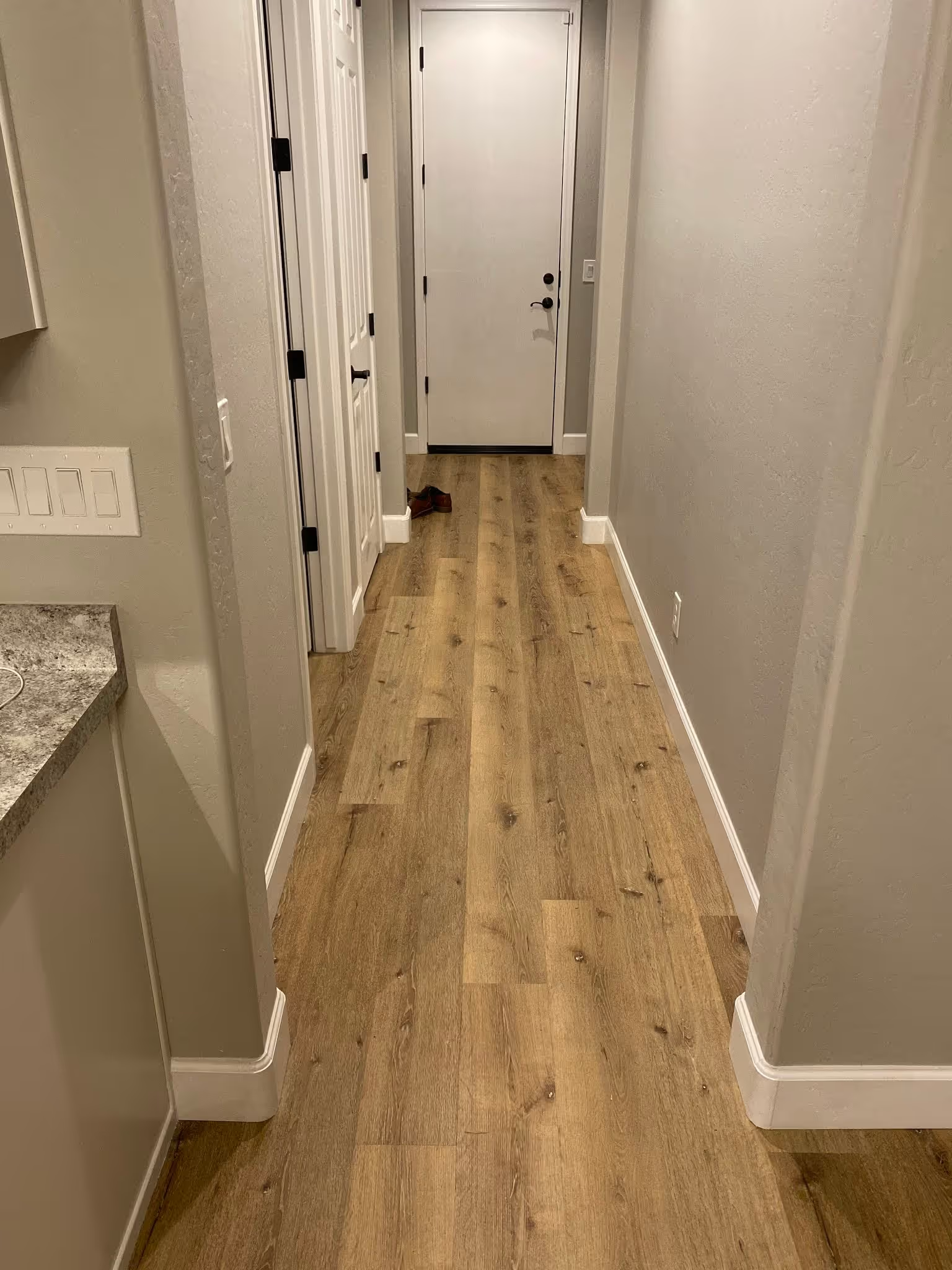
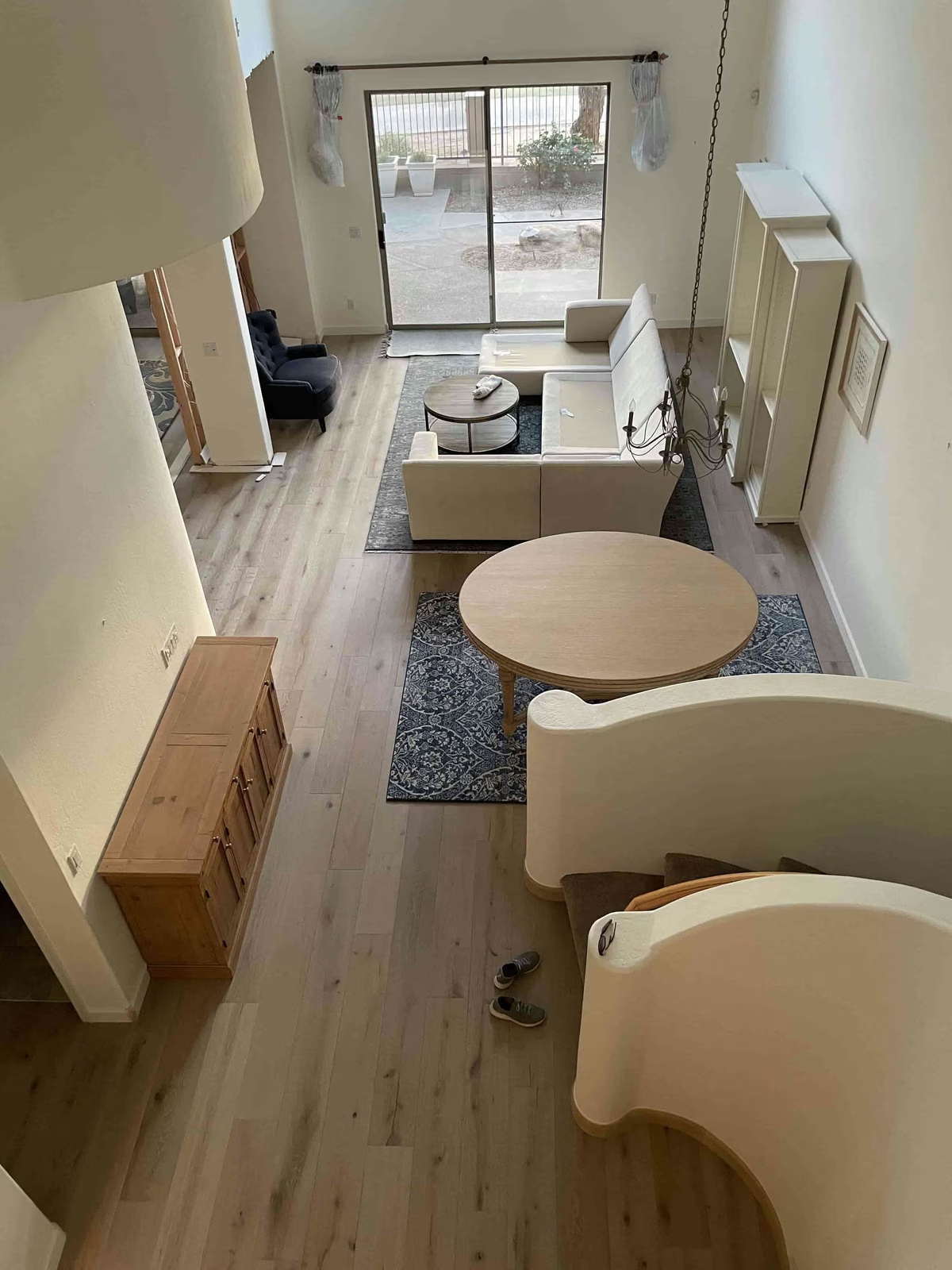
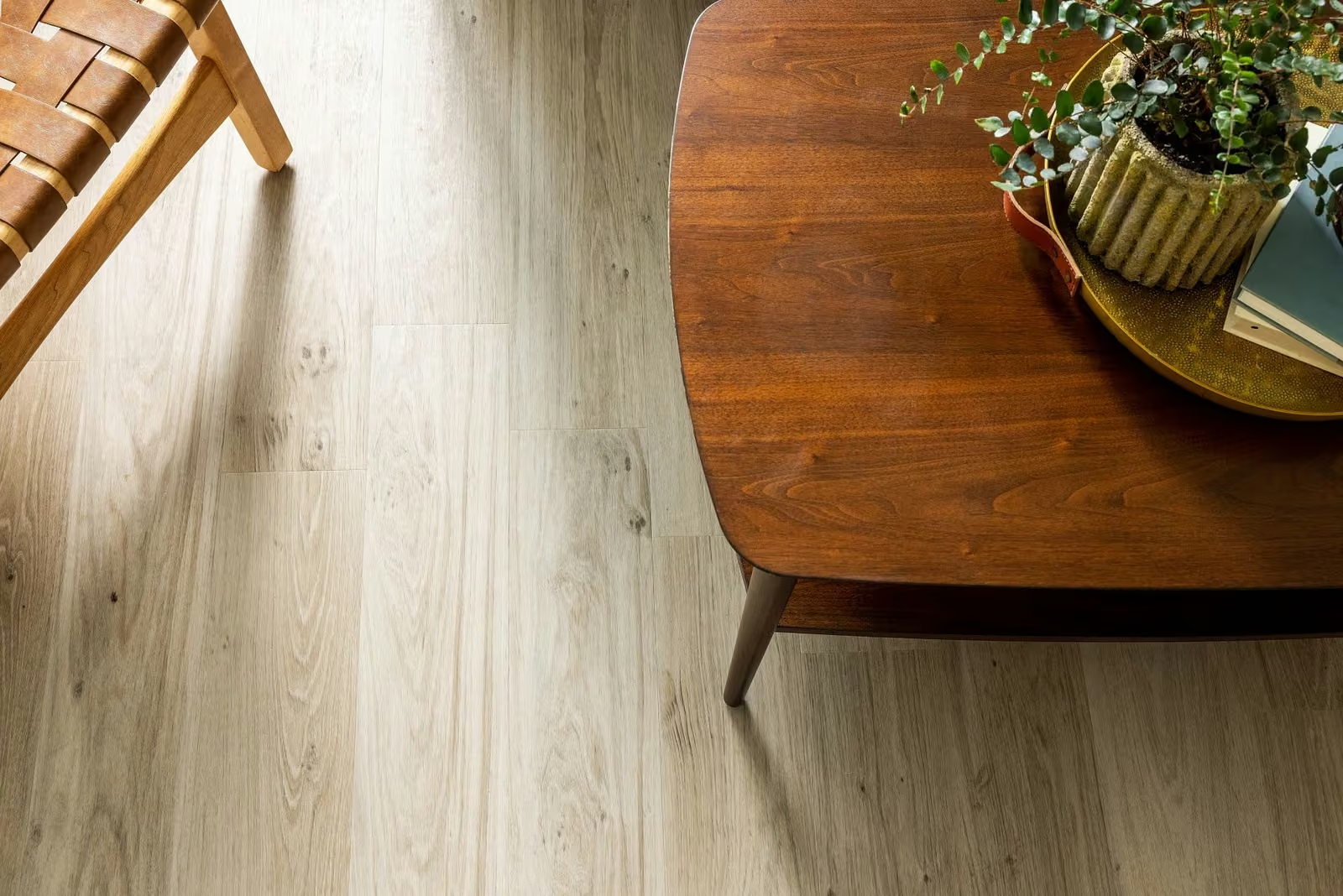
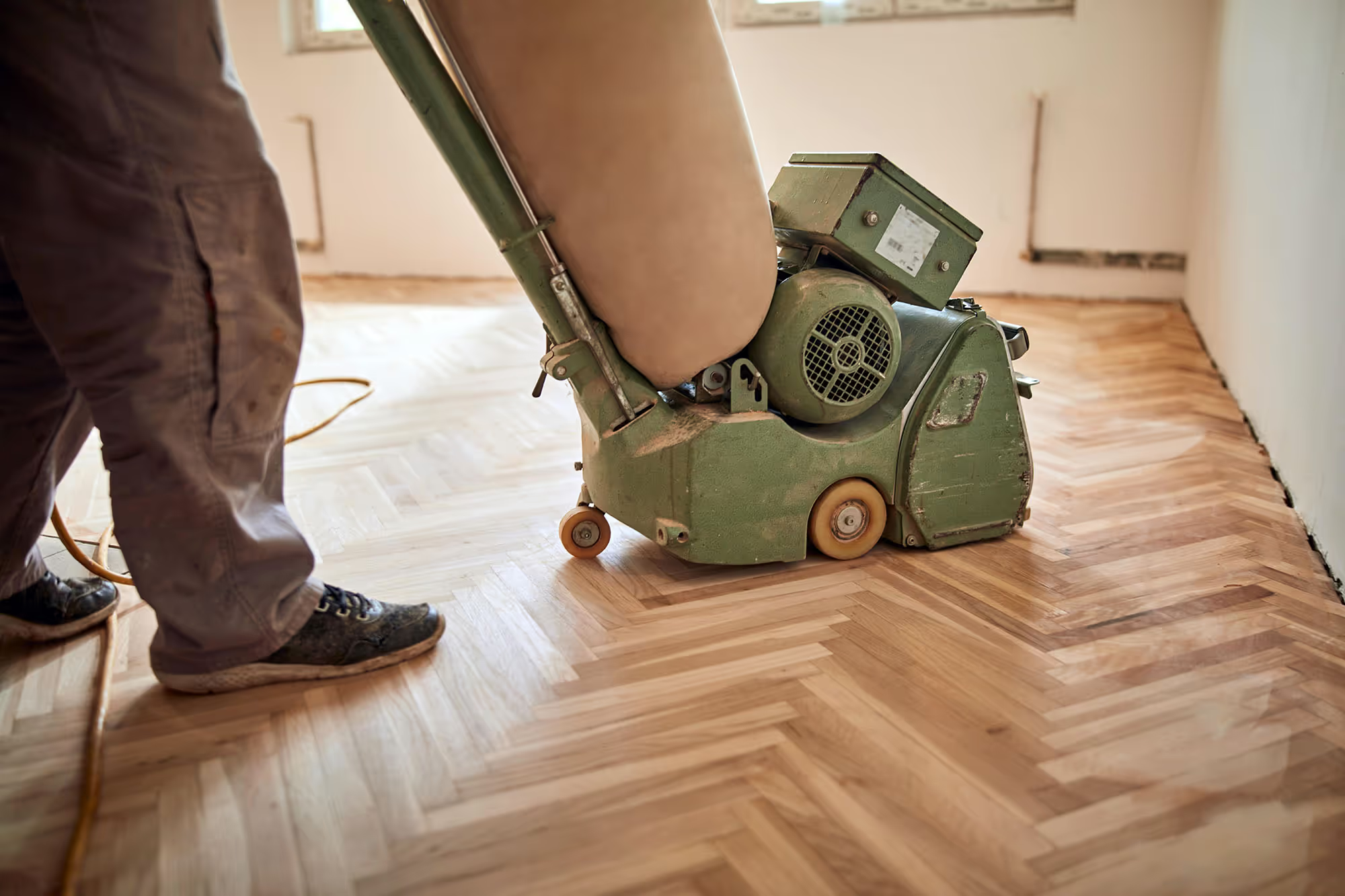
OC Flooring installs and repairs laminate flooring in Seattle, Bellevue, Everett, Lynnwood, and nearby King and Snohomish County communities. Compare click-lock products, water-protection features, and commercial-use options, then get a written estimate for your materials, preparation, and installation.
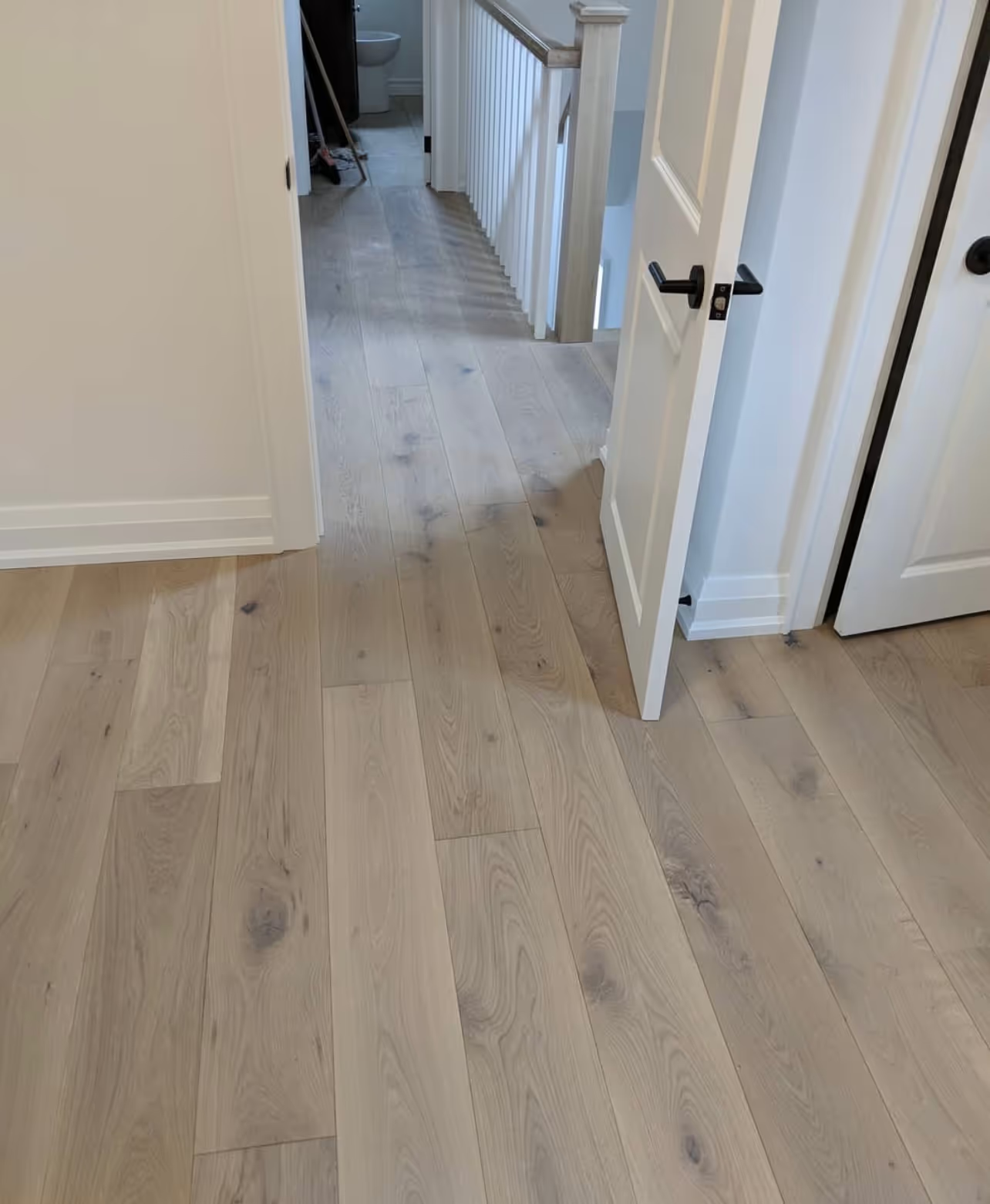
Handling doorways and transitions
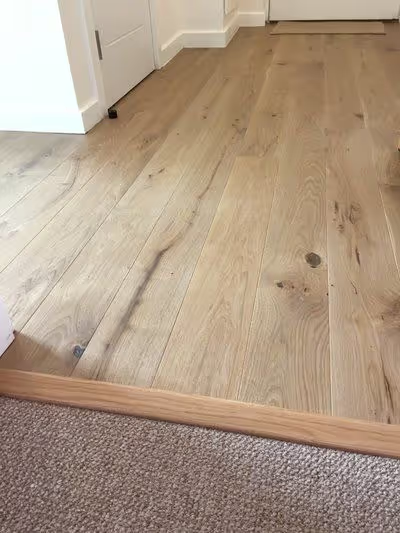
- T-moldings bridge expansion joints between floors of similar height.
- Reducers connect laminate to a lower adjoining surface.
- End caps finish selected edges at carpet, exterior-door thresholds, or other fixed boundaries, depending on the trim system.
Doorway joints and maximum continuous floor dimensions depend on the product; there is no single 30-foot rule for every laminate. Keep the specified expansion clearance beneath the trim and attach tracks or moldings as directed without pinning the floating planks. Fastening a transition through the laminate can restrict movement.
Laminate flooring installation cost guide
For a 300-square-foot room, these material and basic labor allowances total about $1,050–$2,250 before waste, extras, and applicable tax. This is a calculation example, not a minimum charge or a project quote.
DIY avoids hired installation labor, but still requires materials, approved underlayment, trim, tools, disposal, and preparation. Compare the complete scope when weighing DIY against professional installation. Your written estimate confirms quantities, included work, and any project minimum; ask for a combined material-and-installation quote for your selected floor.
Subfloor preparation and acclimation
Check the exposed subfloor with a long straightedge for high spots and dips. It must be clean, sound, dry within the product’s moisture limits, and flat to its installation specification. Some laminate guides use a 3/16-inch tolerance over 10 feet; the selected product’s instructions determine the measuring method and limit.
Concrete may need high-spot grinding and compatible patching or leveling compound. Wood substrates may need loose panels secured, damaged sections repaired, and approved surface preparation. Let repair materials dry as directed. Extra cushioning cannot correct an uneven subfloor.
Store cartons and condition the room for the temperature, humidity, and acclimation period required by the manufacturer. Delivery time alone does not establish readiness to install.
Cutting and fitting laminate planks
Use a sharp blade specifically suitable for laminate and the saw being used. Measure and mark each cut, support the plank securely, and test a scrap first. A fixed tooth-count rule does not suit every blade size or design.
With a conventional upward-cutting jigsaw blade or handheld circular saw, the decorative face is generally placed down; miter and table saw cuts generally place it up. Reverse-tooth blades can change that choice, so follow the blade and tool instructions. Use a jigsaw for shaped cuts and preserve the required expansion space at jambs and fixed objects. Do not use a utility knife to cut laminate planks.
Use the tool’s guards, suitable eye and hearing protection, and dust control. For product-specific technique, see Quick-Step’s cutting guidance.
Laminate flooring installation — FAQ
How much does laminate flooring installation cost?
The cost of laminate flooring installation depends on room size, product choice, and subfloor condition. Our planning guide allows $2–$5 per square foot for materials and $1.50–$2.50 for basic installation labor, or $3.50–$7.50 combined before extras. DIY still requires materials, tools, underlayment, trim, and preparation. Removal, repairs, stairs, waste, and applicable tax can add to the total. Seattle, Bellevue, and other local projects receive a written estimate confirming the complete scope.
Can you install waterproof laminate in kitchens and basements?
Yes, when the selected laminate is approved for that room and the substrate meets its moisture limits. Installation must follow that product’s underlayment, perimeter sealing, and care instructions. A waterproof product claim does not mean every room or moisture condition is suitable.
Do you install laminate over a concrete slab?
We do. Laminate flooring over concrete needs a moisture test and the proper vapor barrier and underlayment, which we handle so the floor stays flat and quiet.
Do you offer AC5 commercial laminate installation?
Yes. For offices, retail, and other high-traffic spaces we install AC5 commercial-rated laminate built to resist scratches and heavy wear.
Do you repair or replace existing laminate?
Yes — laminate flooring repair and replacement, from swapping damaged boards to a full re-install, is part of our laminate floor installation services.
What type of underlayment is best for laminate flooring?
Use an underlayment approved for the exact laminate and substrate. Foam can provide basic cushioning; dense felt or fiber products offer acoustic options, with performance depending on the tested floor assembly. Follow the specified thickness and compression requirements rather than choosing the softest pad. Over concrete, use the required vapor-control layer, either separate film or an approved combination underlayment. With attached-pad planks, add cushioning only if the flooring manufacturer explicitly permits it; a separate vapor barrier may still be required. For condos, also check the building’s acoustic requirements.