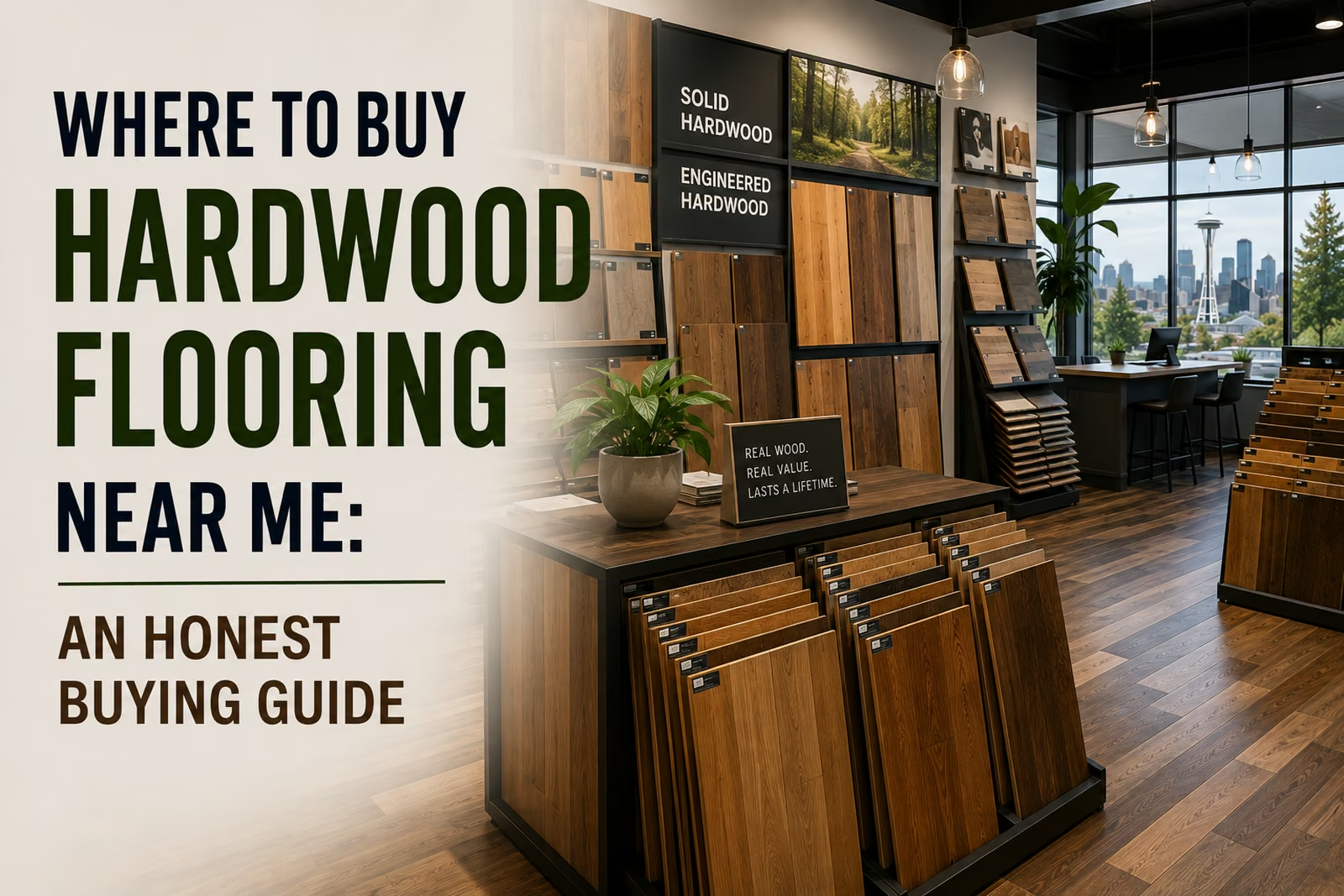



You have four real options: big-box stores, specialty flooring retailers, online sellers, and buying through your installer — and each fits a different project. What matters more than the storefront is the spec sheet: species, solid vs engineered construction, wear-layer thickness, and grade. Order 5–10% extra for cuts and waste, plan for acclimation before install day, and know who answers the phone if something goes wrong. Here's the guide, without the sales pitch.
Search “where to buy hardwood flooring near me” and you get a page of ads, each claiming the best selection at the best price. As a company that installs flooring every week — including plenty of material our clients bought elsewhere — we see what actually shows up in those boxes. So here's the guide we'd want a friend to read before spending five figures: where to buy, what to compare, and the two or three mistakes that cause most of the trouble we get called to fix.
Numbers to Take Shopping
the extra flooring to order beyond your measured square footage — for cuts, defect culls, and future repairs. Running out mid-install means waiting on a new batch that may not color-match the first.
“Select,” #1 common, and #2 common describe how knotty and varied the boards look — not how strong they are. A rustic-grade oak floor is every bit as durable as a clear one, at a much lower price.
every floor has a product warranty (the manufacturer's) and a workmanship warranty (the installer's). Knowing where one ends and the other begins is worth more than either document.
The Four Ways to Buy — and Who Each One Suits
| Where | Strengths | Watch out for | Best fit |
|---|---|---|---|
| Big-box store | Convenience, financing, returns | Thin wear layers at attractive prices; floor-model specs that vary batch to batch | Simple projects on tight budgets — read the spec sheet, not the shelf tag |
| Specialty flooring retailer | Deeper selection, staff who know the products, better milling in mid/upper lines | Prices vary widely; the showroom's favorite brand isn't always yours | Buyers who want choice and advice before committing |
| Online direct | Sharp pricing, huge range | You can't inspect milling or color before a pallet lands in your driveway; freight damage disputes | Confident buyers ordering large samples first |
| Through your installer | One party accountable for material and labor; contractor pricing; quantities figured for you | Less browsing entertainment | Anyone who values a single throat to choke — see our products |
None of these is wrong. We've installed excellent floors from every channel — and mediocre ones too. The channel decides how much homework is yours to do; the spec sheet decides how the floor performs.
The Spec Sheet: Compare These Lines, Ignore the Rest
- Species. Sets hardness, undertone, and future stain options. Our species guide covers the field.
- Solid or engineered. Neither is “better” — but concrete slabs and basements demand engineered, and long-term refinishing math favors solid or thick-veneer engineered.
- Wear layer (engineered only). The single most price-hiding spec. Under 2 mm can never be sanded; 3 mm+ buys you future refinishes. Two boxes that look identical can differ here by the floor's entire second life.
- Finish. Factory aluminum-oxide finishes are extremely wear-resistant; unfinished boards get their color and finish at your house. The trade-offs deserve their own read: pre-finished vs site-finished.
- Grade and character. Decide how many knots you actually like, then stop paying for clearer boards than your taste requires.
- Milling consistency. The spec you can't read on paper — cheap milling means uneven tongue-and-groove, which becomes squeaks, gaps, and installer overages. This is where samples and reputation matter.

Delivery and Acclimation: The Step Buyers Skip
Hardwood is not drywall — it needs to arrive early. Solid hardwood should sit in the room where it will live, at normal living temperature and humidity, for 3–7 days before installation; engineered needs a shorter stay. In our climate this matters double: material that rode across the country in a winter truck, installed the day it arrives, will move after installation no matter who installs it. Whoever you buy from, schedule delivery ahead of your install date, and store the boxes in the living space — not the garage.
How Contractor Supply Works With Us
OC Flooring supplies flooring through our product lines as part of an installation: we measure, spec the material for your subfloor and rooms, order the right overage, handle acclimation timing, and install at $3–$4.25/sq ft labor. The advantage isn't mystique — it's accountability. If a board is milled wrong, that's our problem to chase, not yours, and the workmanship carries our 1-year warranty. And if you've already bought material you love, we'll gladly install that instead; we'll just inspect it with you before it goes down.
Buying Hardwood Flooring — Straight Answers
Is it cheaper to buy hardwood flooring myself or let my installer supply it?
What does hardwood grade like select or #1 common actually change?
How much extra flooring should I order beyond the room's square footage?
Are big-box hardwood floors lower quality than specialty-store products?
Should flooring be delivered before installation day?
Who covers problems after installation — the store or the installer?
What should I look for on a hardwood flooring sample?
Can I supply my own flooring and have OC Flooring install it?
Is buying hardwood flooring online risky?
Skip the Guesswork — Buy From the Crew That Installs It
We spec the material, order the right quantity, time the acclimation, and stand behind the whole job. Free in-home measure and estimate anywhere in King & Snohomish County.
Related reading: Our flooring products · Choosing the right wood species · Pre-finished vs site-finished · Hardwood installation