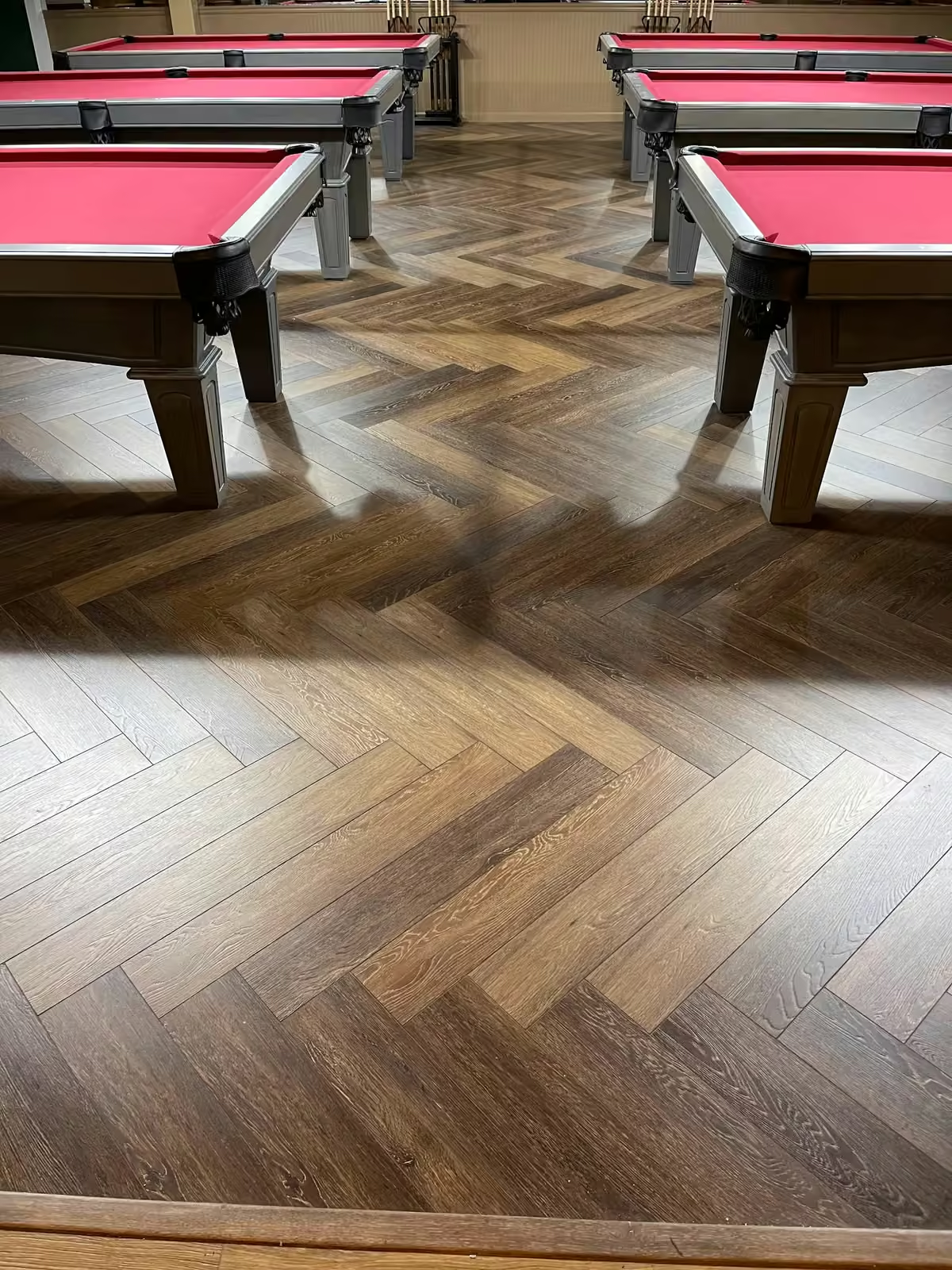
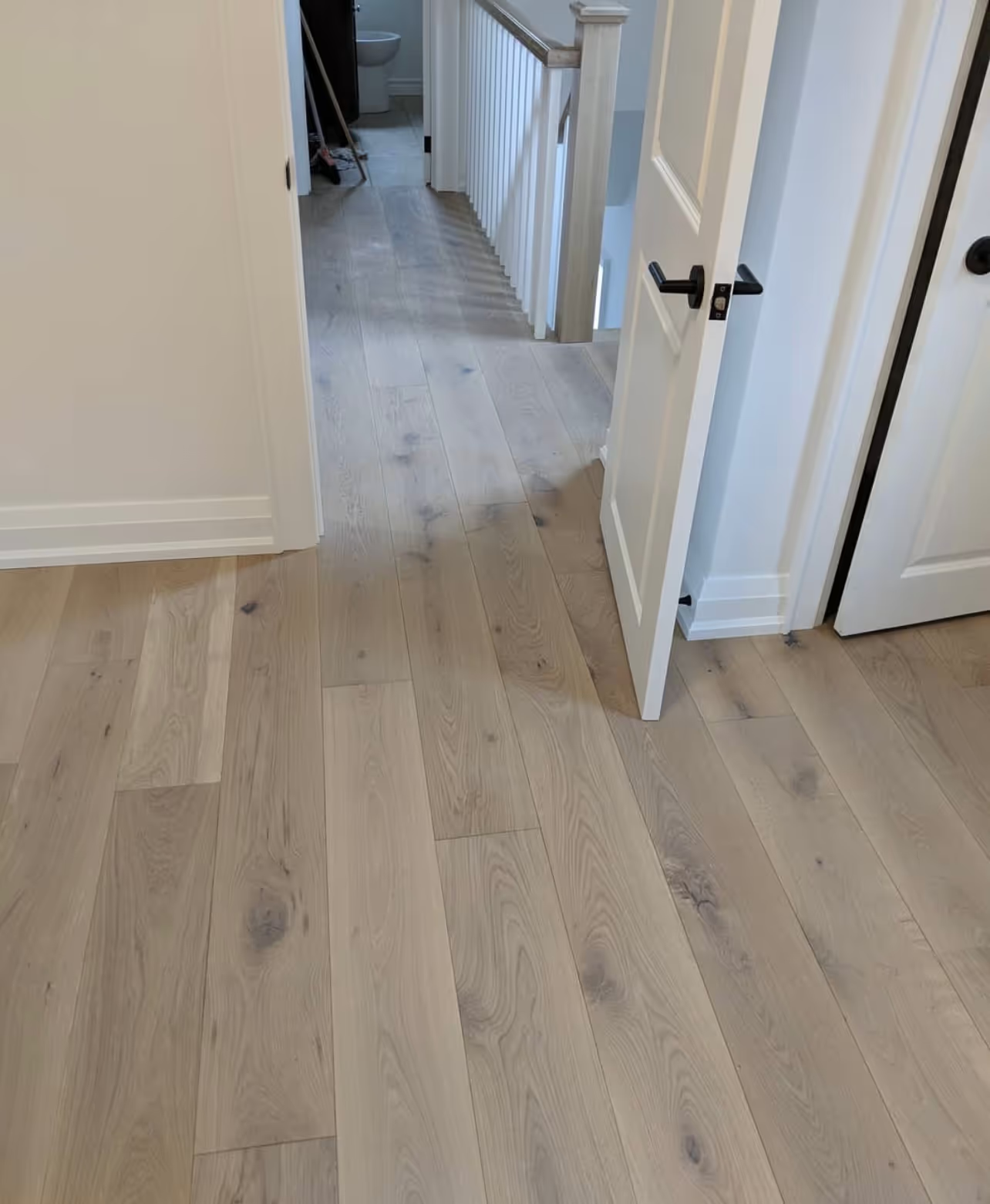
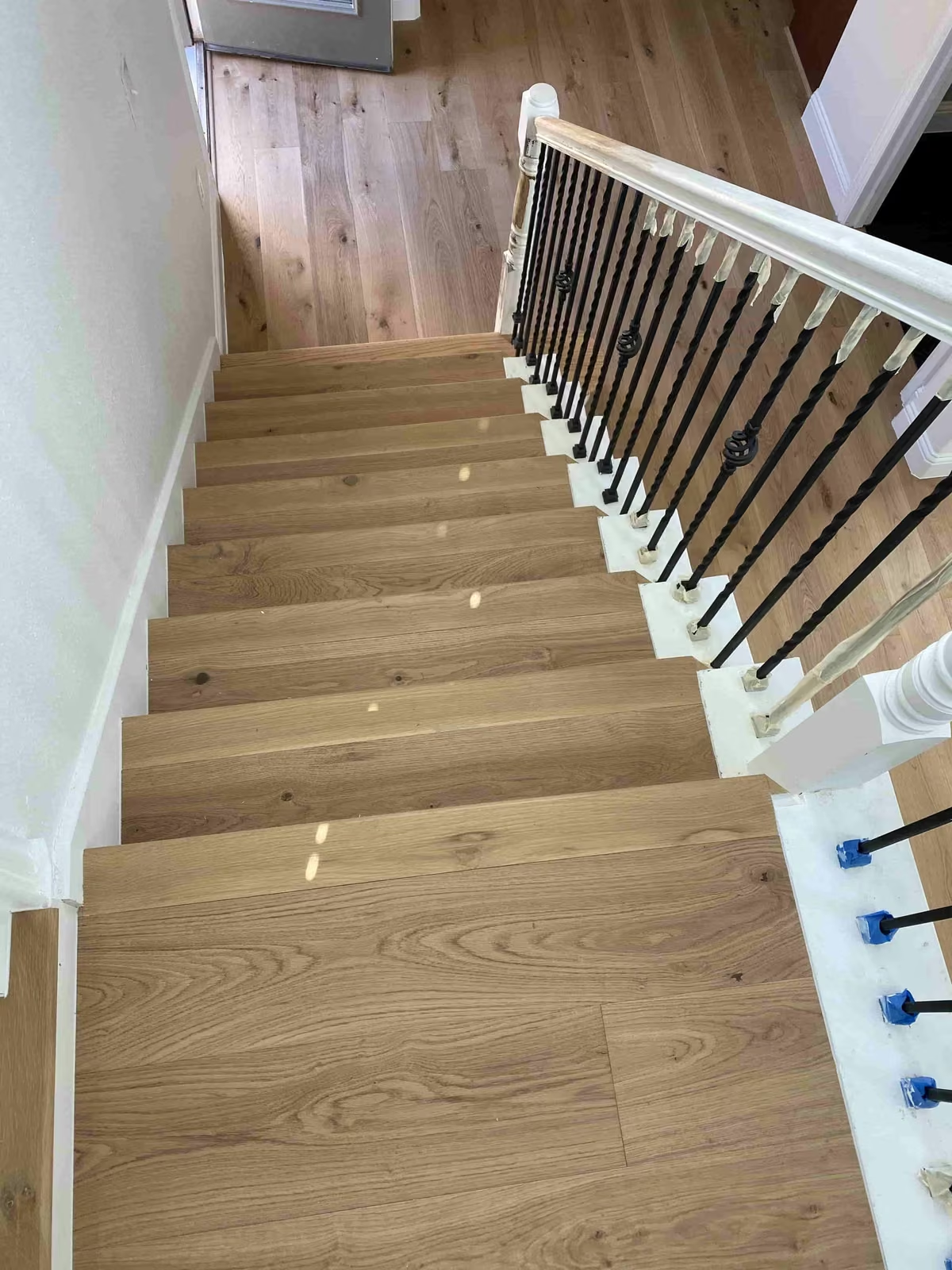
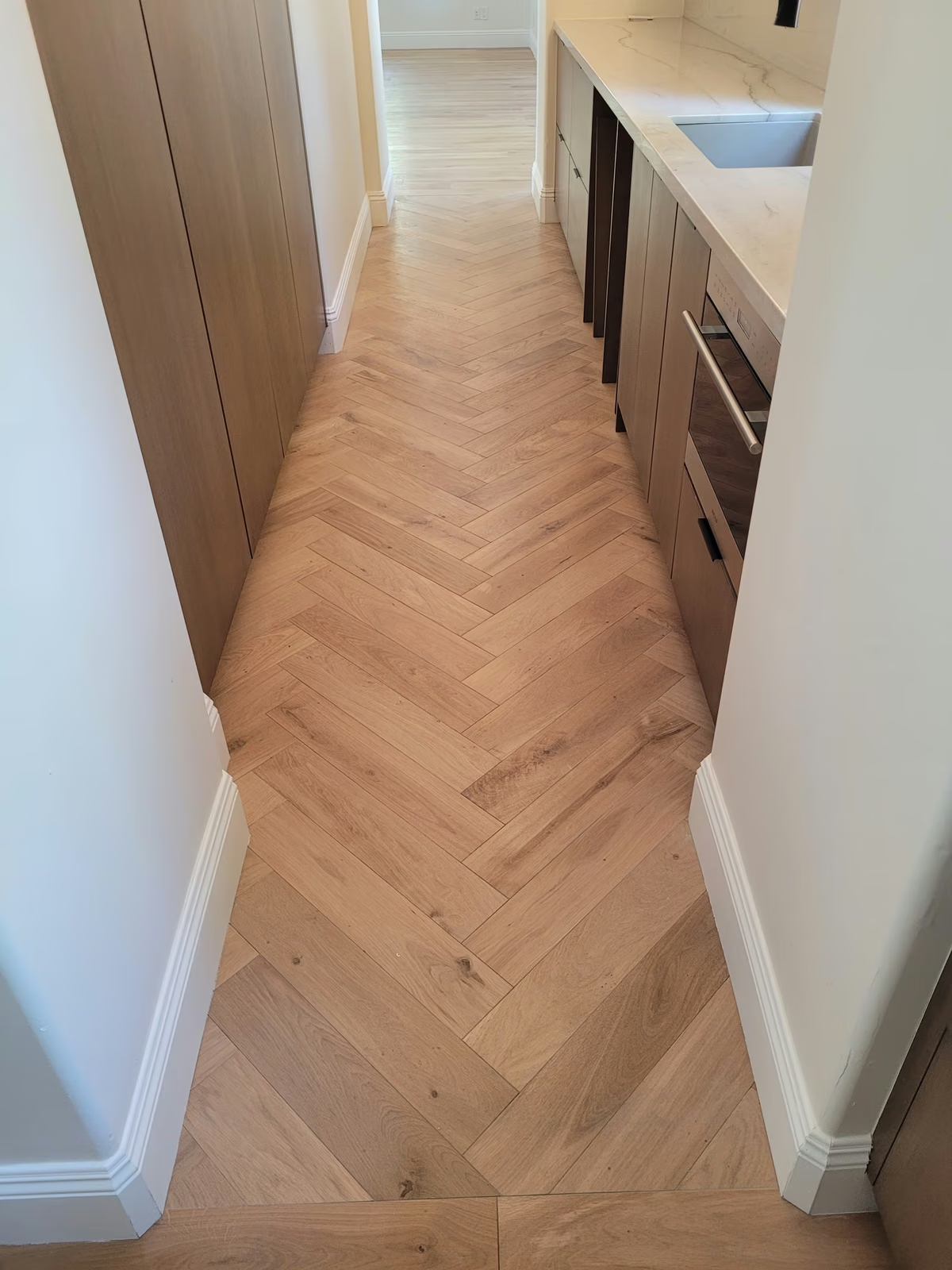
Engineered Hardwood Floors for Everyday Living

Love Your Floors Again — Without the Mess

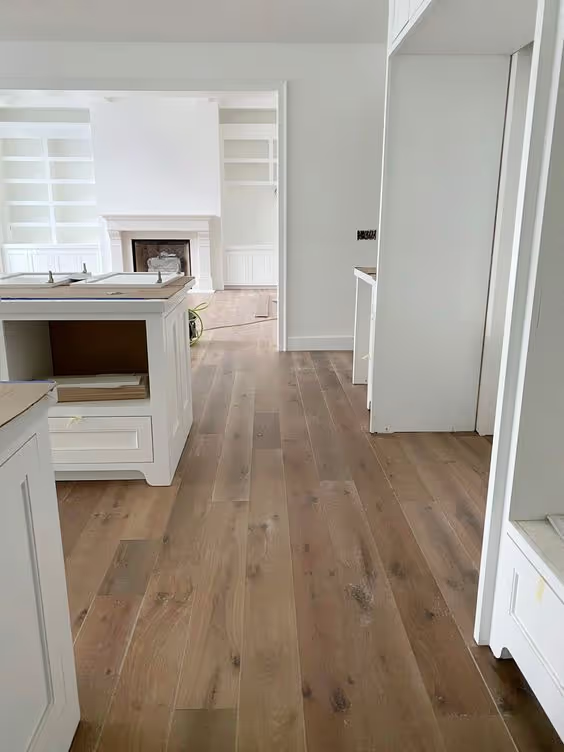
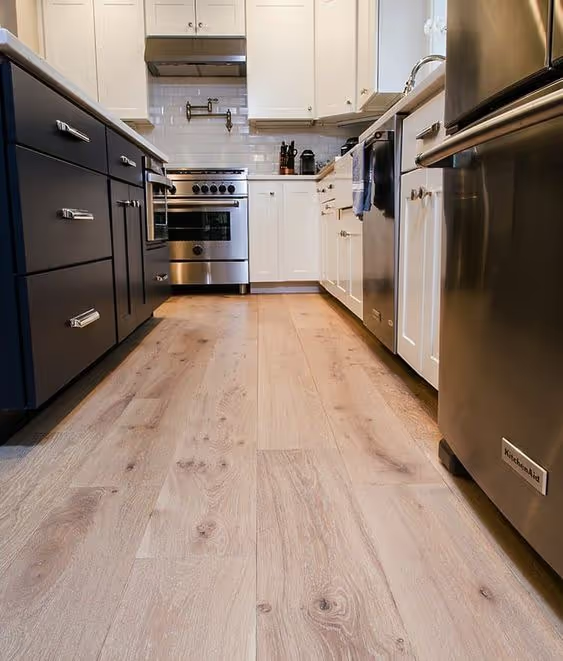
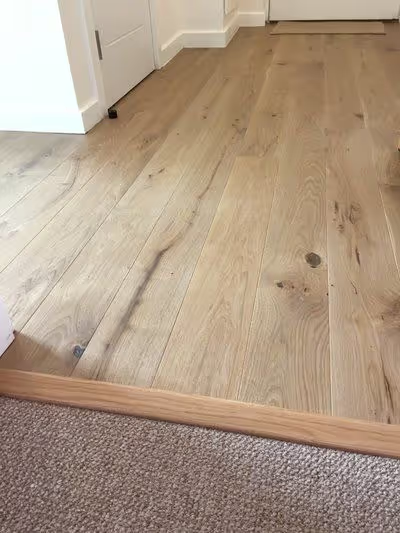
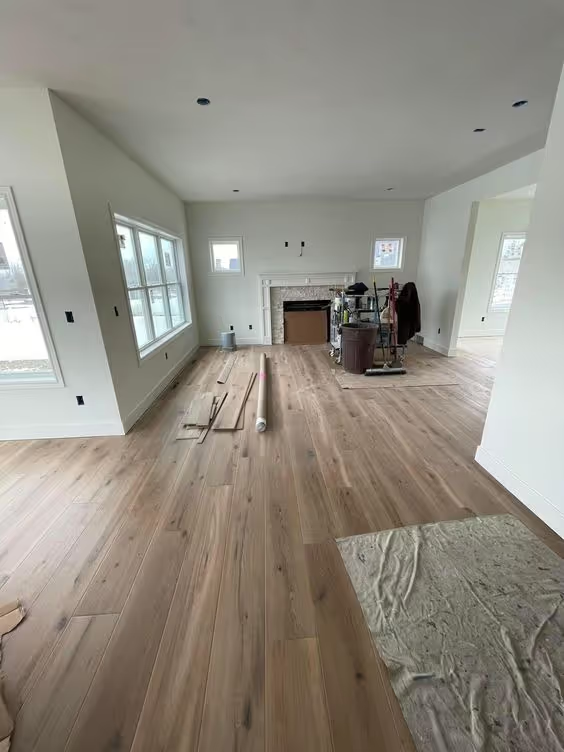
Searching for engineered hardwood flooring near me? Engineered hardwood offers the beauty of real wood with added strength. It’s durable, weather-ready for Bellevue, and perfect for more rooms in your home.

Engineered Hardwood Floors for Everyday Living
Est. 2013
National Wood Flooring Association member badge
Bona Certified Craftsman Program badge
National Wood Flooring Association member badge
UL GREENGUARD certified finishes badge
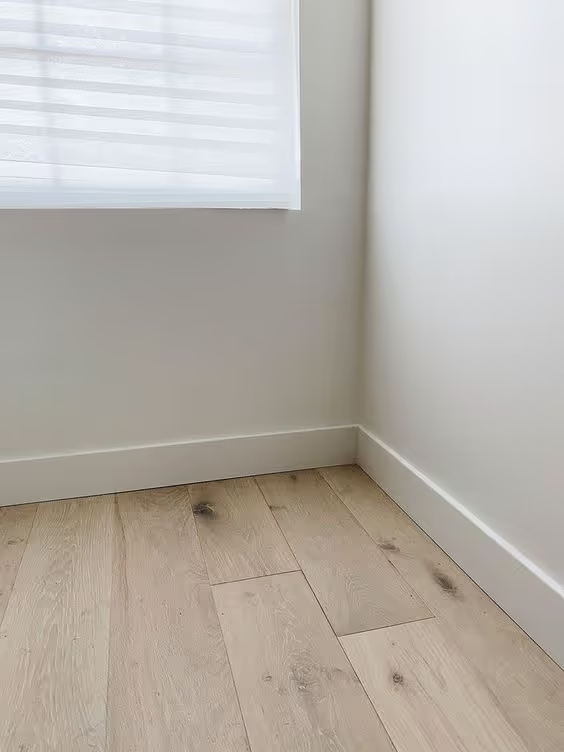
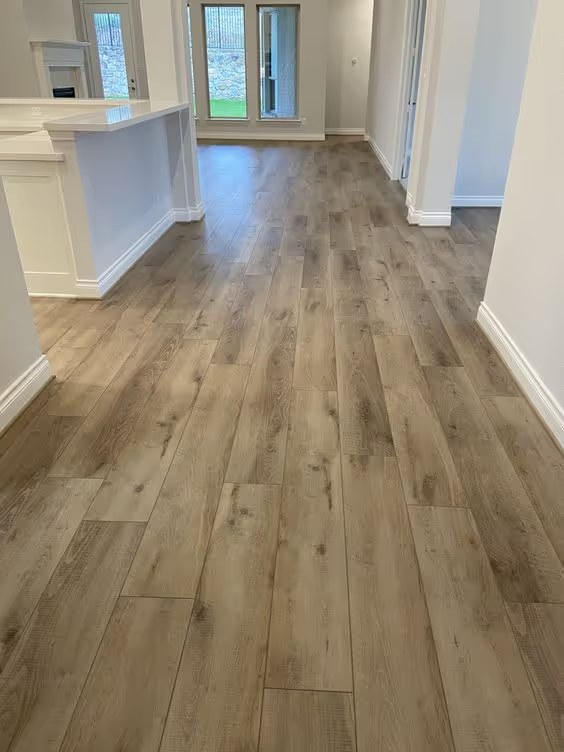
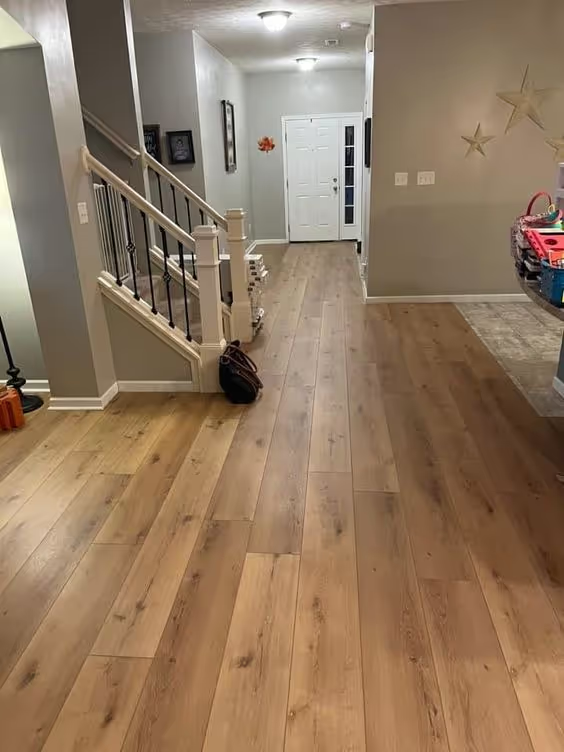
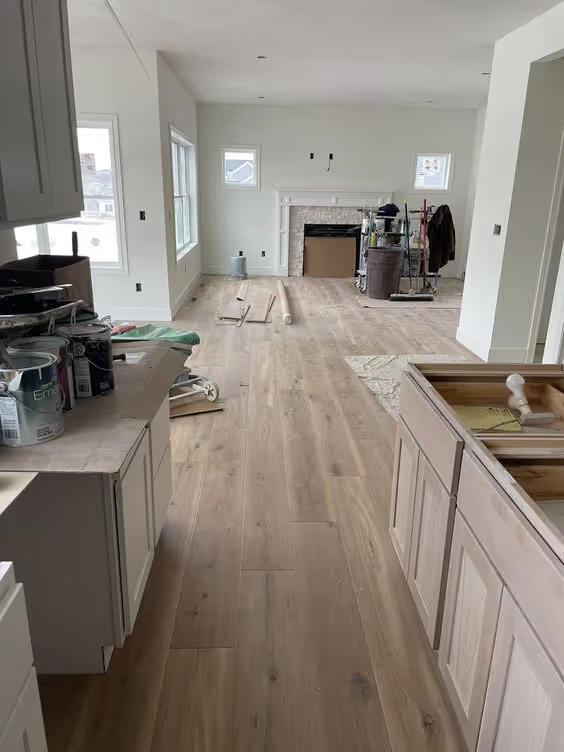
Engineered hardwood flooring

What Makes Engineered Hardwood Special?

Engineered hardwood has a real wood surface over a supporting core. Its construction can reduce movement compared with solid wood, but excessive moisture can still cause swelling or damage. Choose a product suited to your room and subfloor.
Book Appointment
Book Appointment

Why You’ll Love It in Your Home:

Explore real wood styles, installation options, and maintenance considerations for your home.
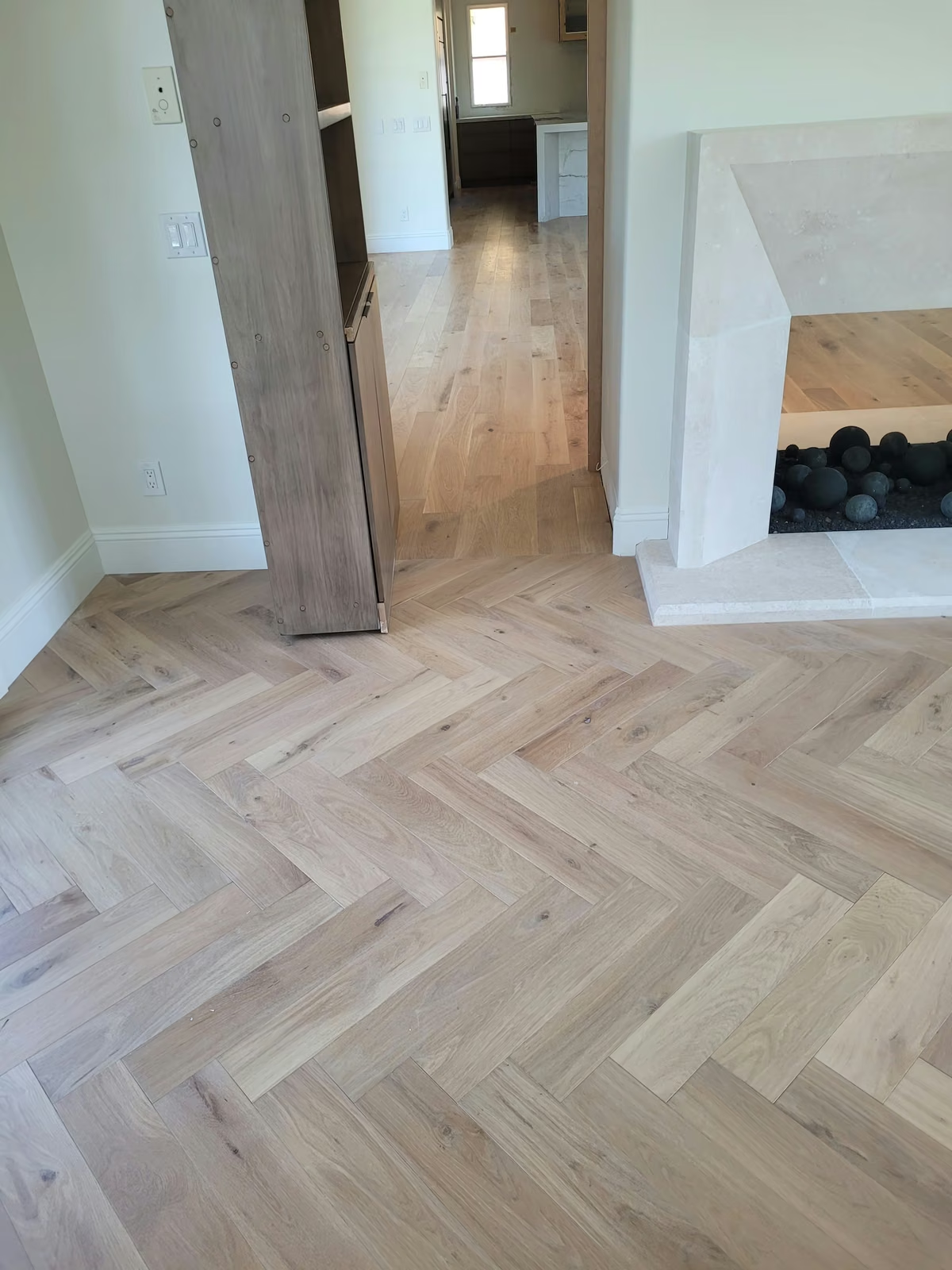
Engineered wood floors

Stays beautiful

with prompt spill cleanup, suitable indoor humidity, and regular care.

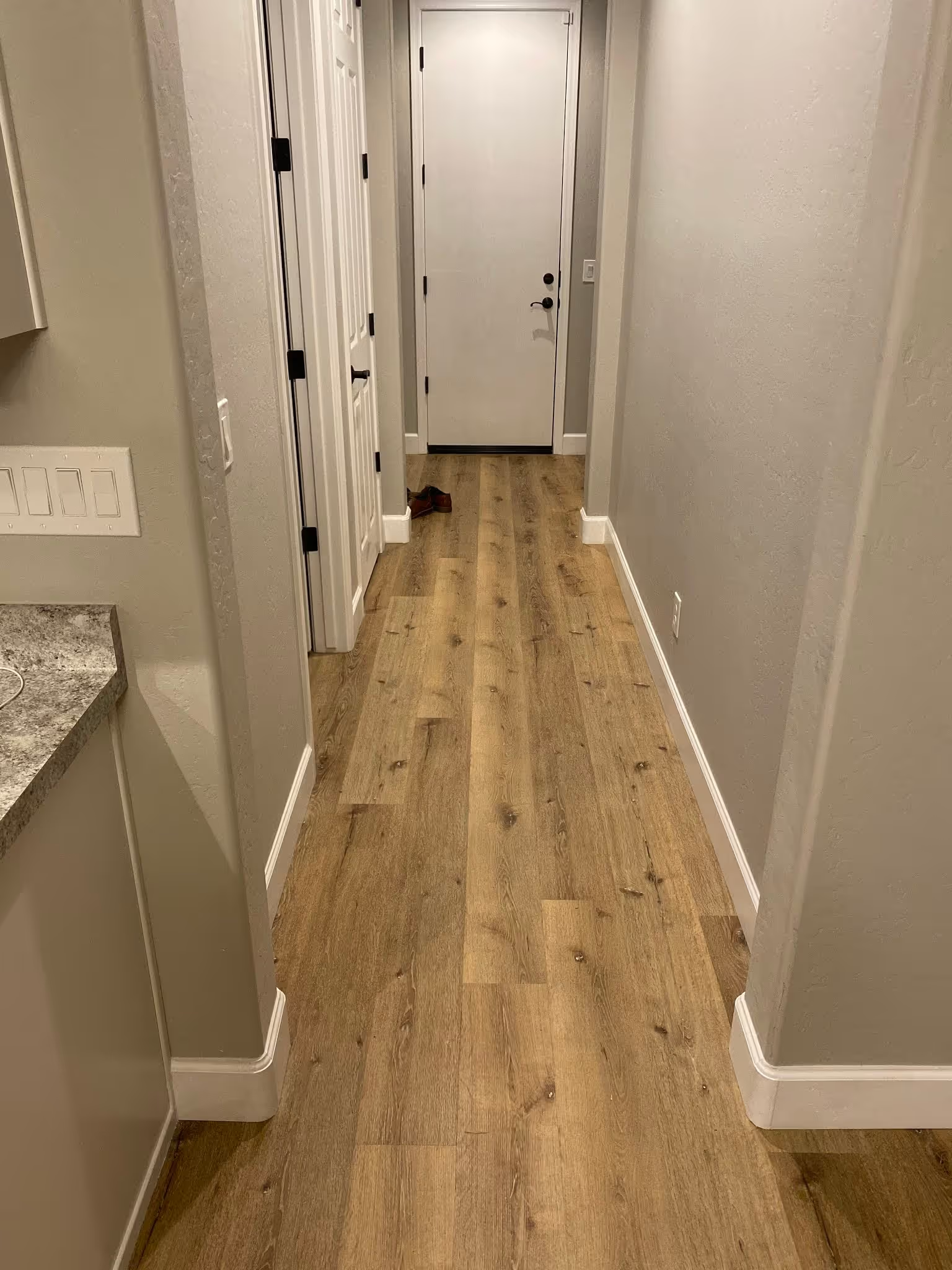
Durable engineered wood flooring

Looks like real wood

because it is real wood on top.

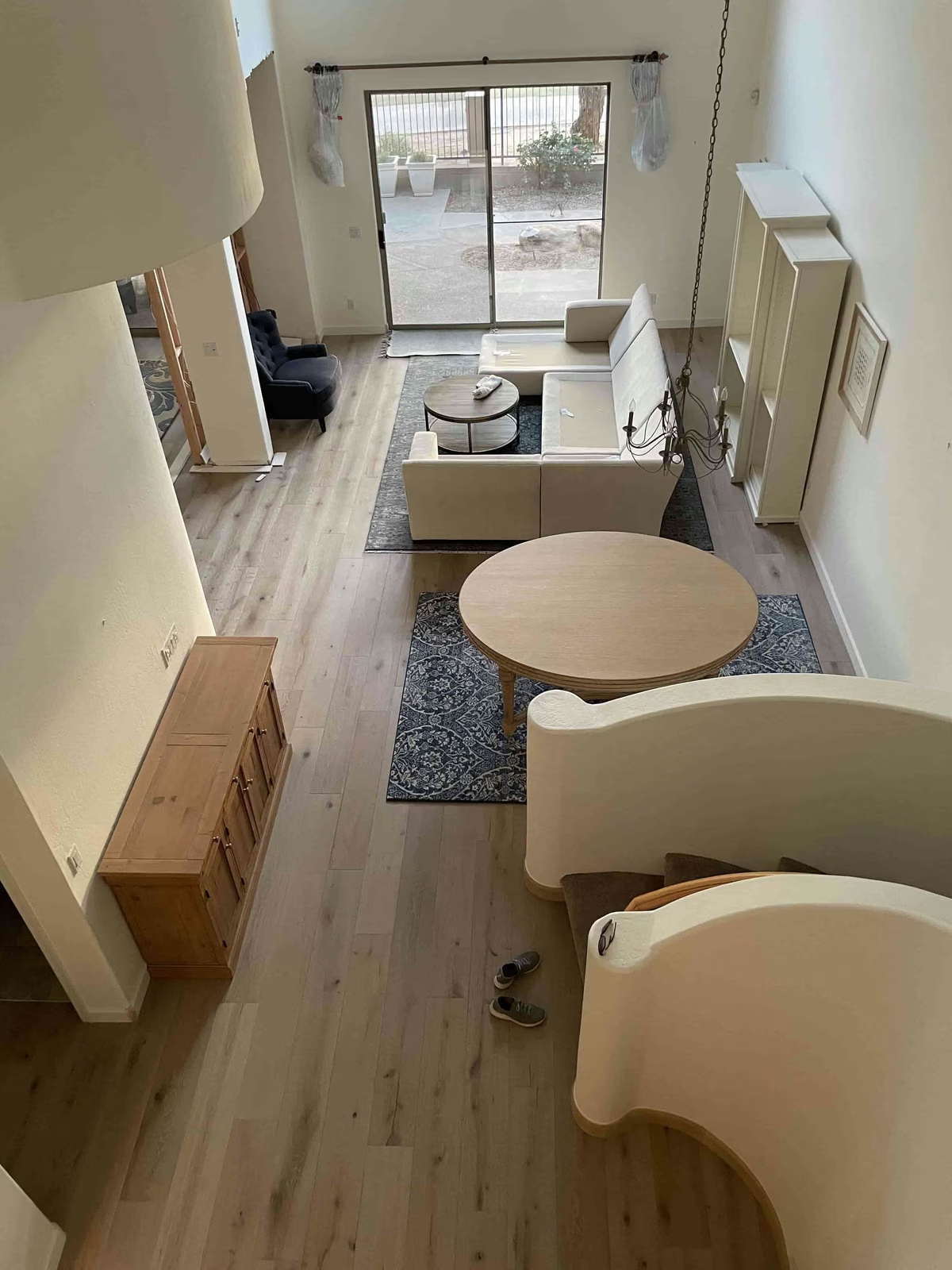
Luxury engineered hardwood

Fits many rooms

including suitable basements, condos, and concrete subfloors when the product is approved for those conditions.

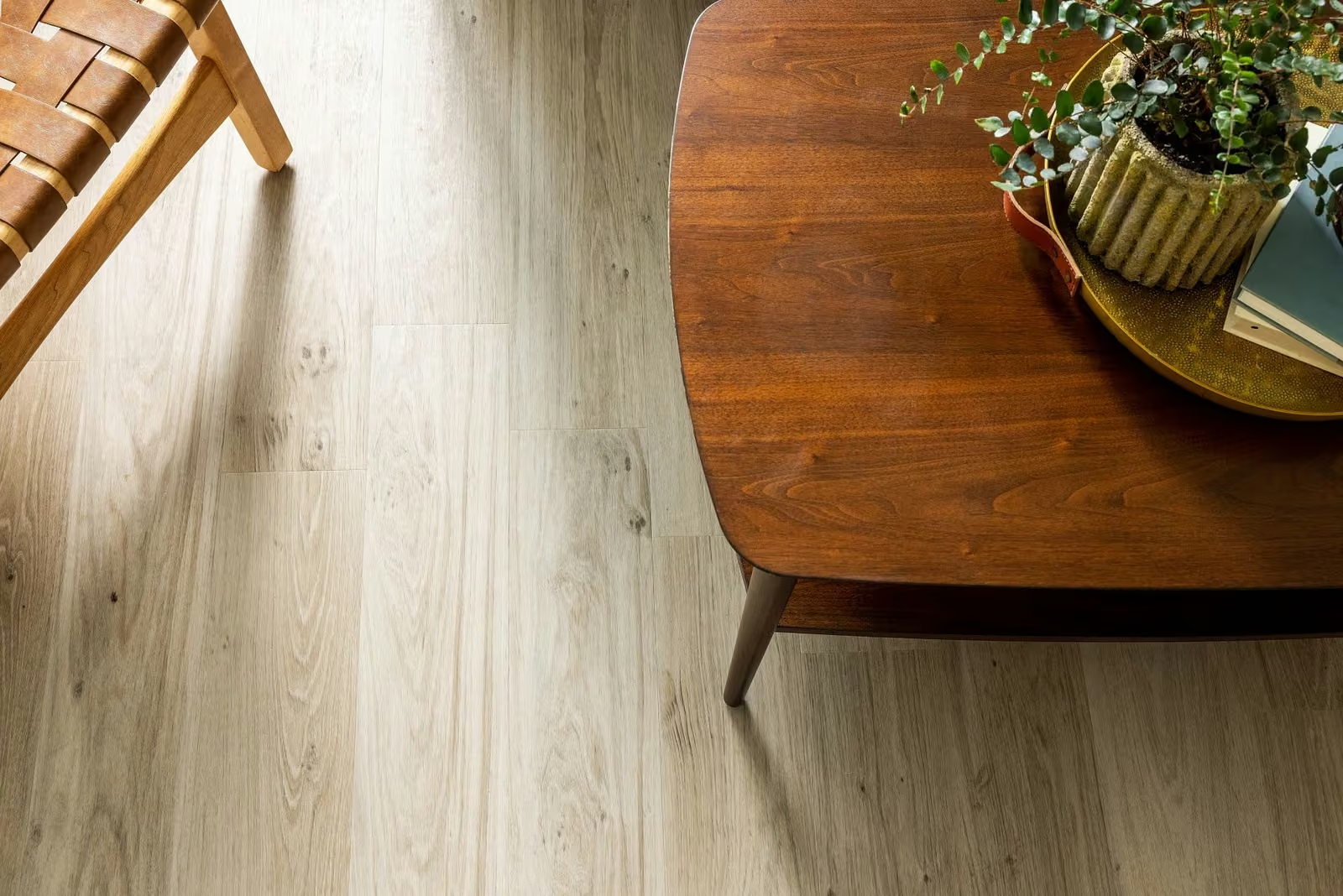
Water-resistant engineered hardwood

Budget-friendly choices

with options to match your style and wallet.

How We Install Your Engineered Hardwood Floors

One of the best things about engineered hardwood is how flexible the installation can be. Here’s what that means for you:

Floating Floors

Approved planks connect with a locking or glued-joint system over the specified underlayment. The floor still needs a dry, flat subfloor and the required expansion space.

Glue-Down

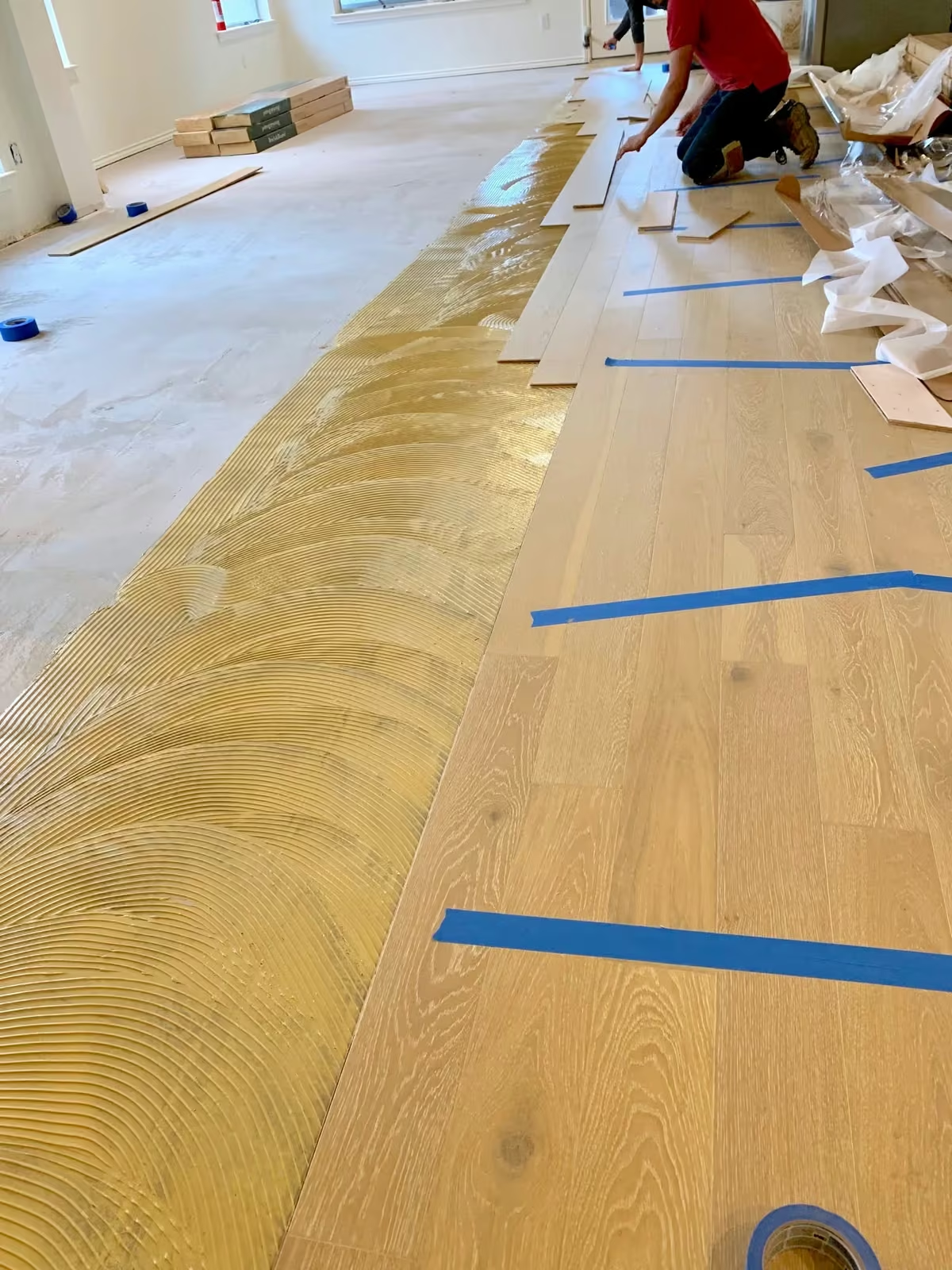
Approved planks bond to a prepared subfloor using a compatible adhesive. Concrete moisture testing and any required moisture-control system come first.

Nail-Down

Approved planks are nailed or stapled to a suitable wood subfloor. The product specifications determine fastening, preparation, and any glue-assist requirements.

Caring for Your Floors Made Simple

Remove grit regularly, wipe up spills promptly, and use the manufacturer’s recommended cleaner. Avoid wet and steam mopping.
Engineered vs solid hardwood

Stronger for Real Life

Layered construction improves dimensional stability, but indoor humidity still matters. Maintain the product’s recommended conditions and address leaks promptly.

Luxury Without the Price Tag

Compare the complete product and installation quote. Material selection, wear-layer thickness, layout, and subfloor preparation all affect the budget.
Premium hardwood floor brands

See the Floors in Person

Nothing beats holding samples in your hand and seeing how they’ll look in your home. Schedule your in-home appointment today and let us bring ideas, styles, and solutions straight to you.
Schedule Free In-Home Estimate
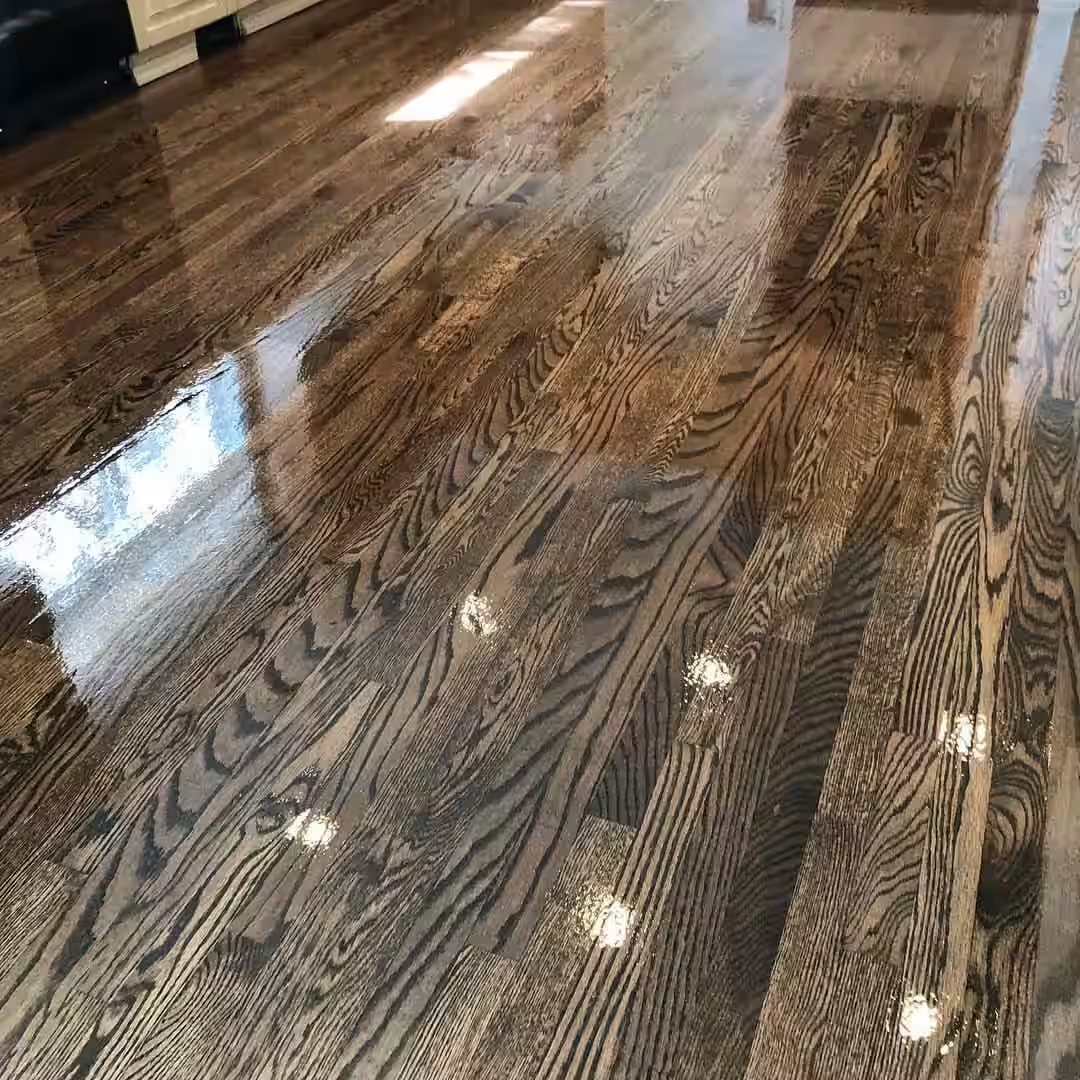
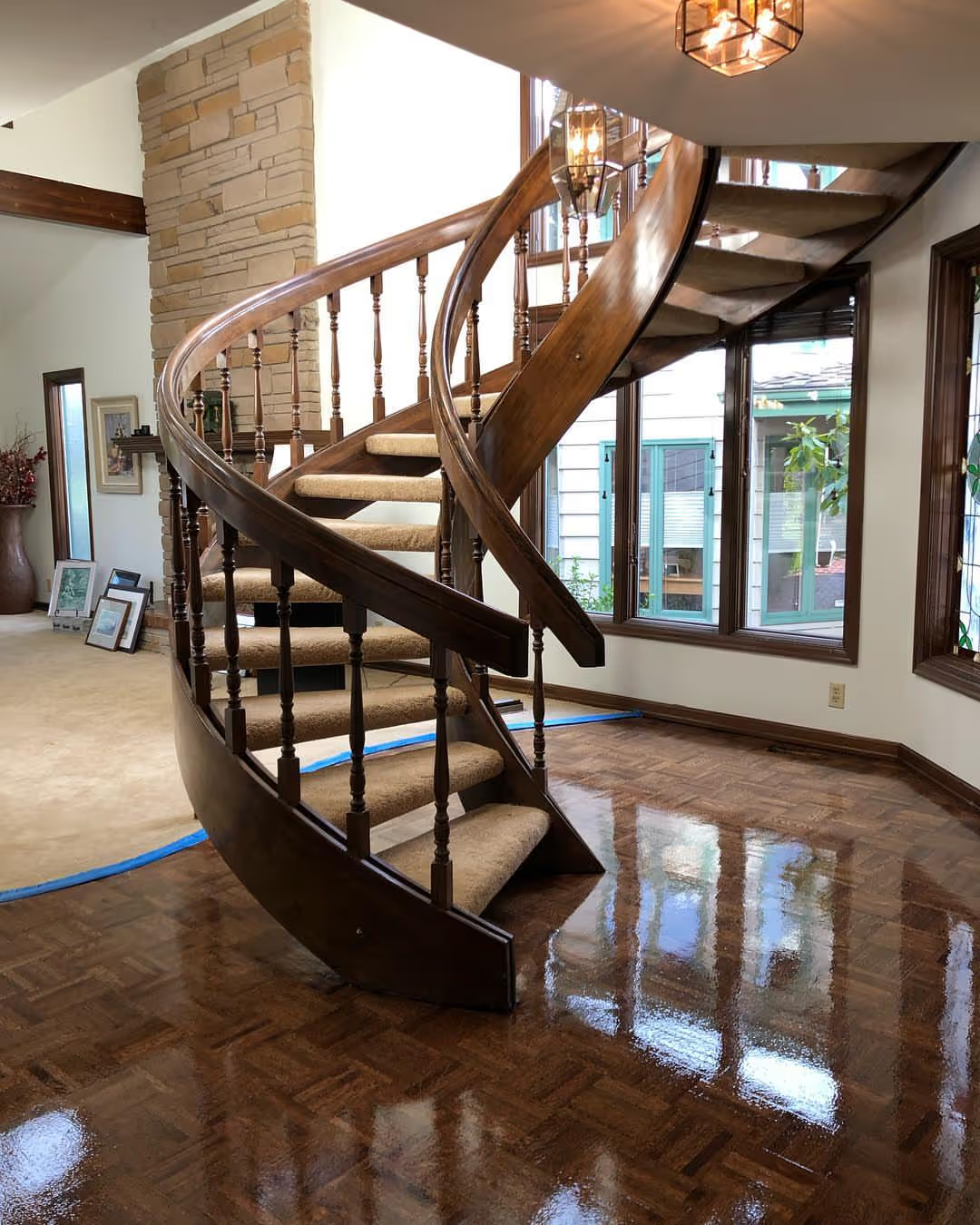
Hardwood floor staining project in Redmond, WA by OC Flooring
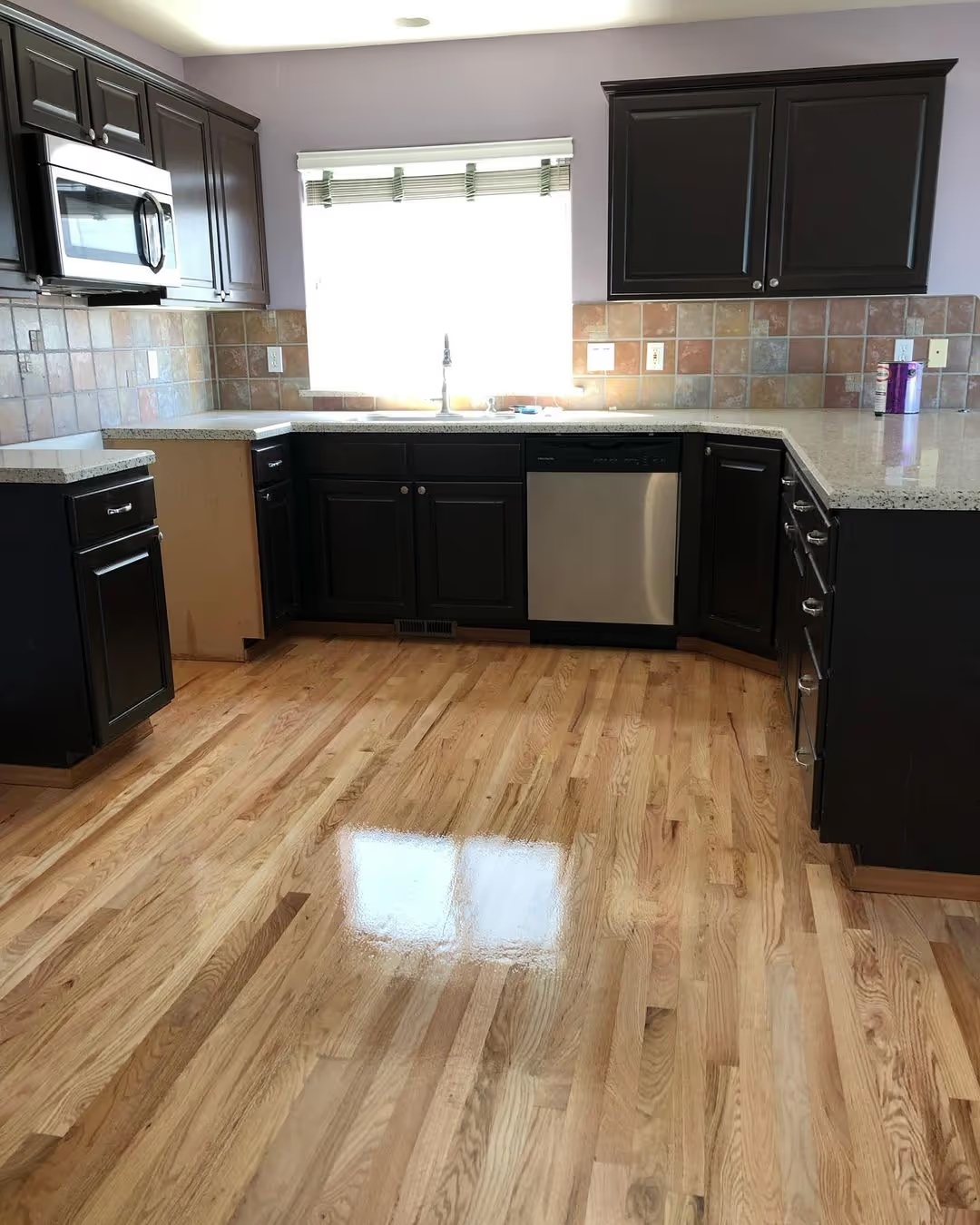
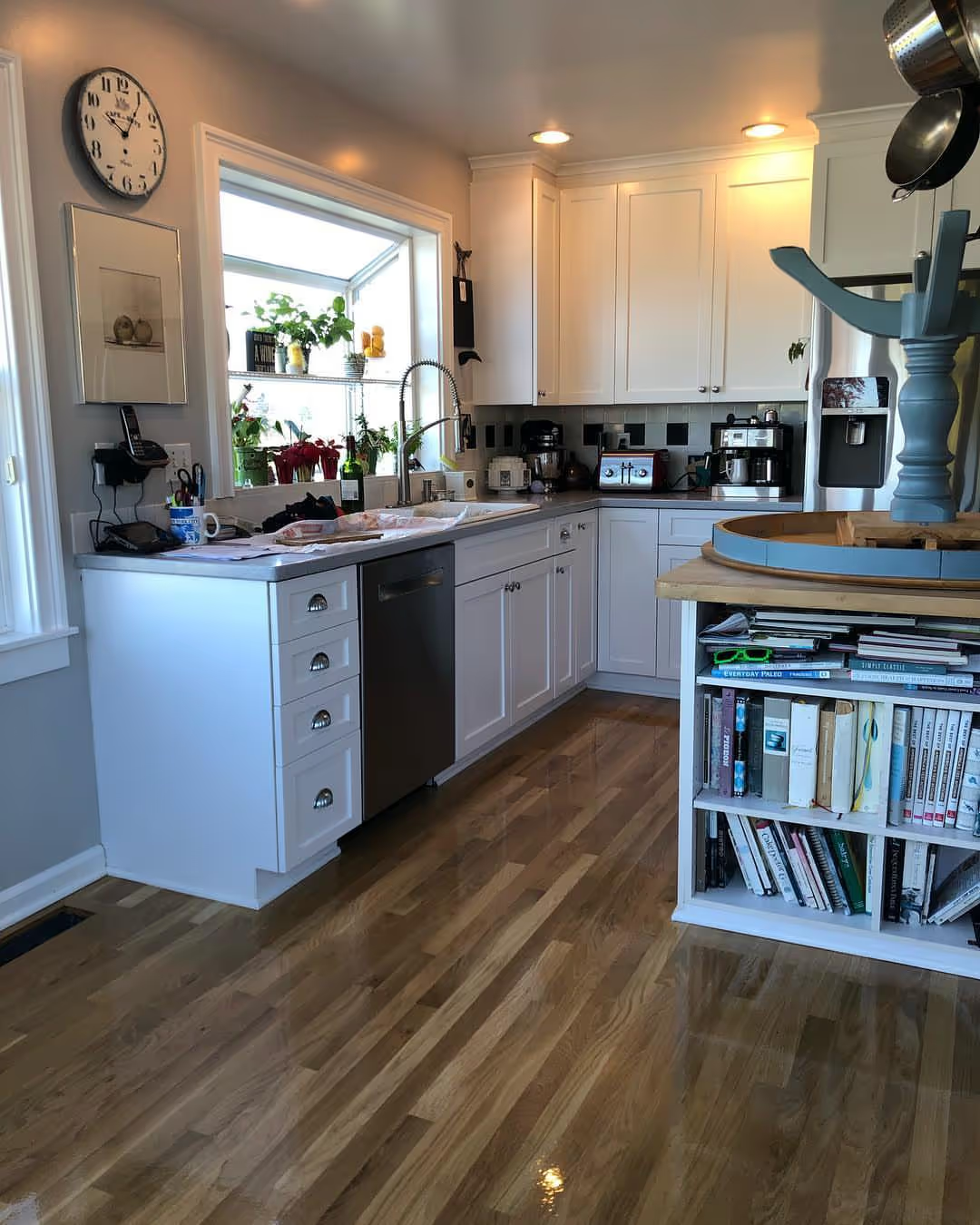
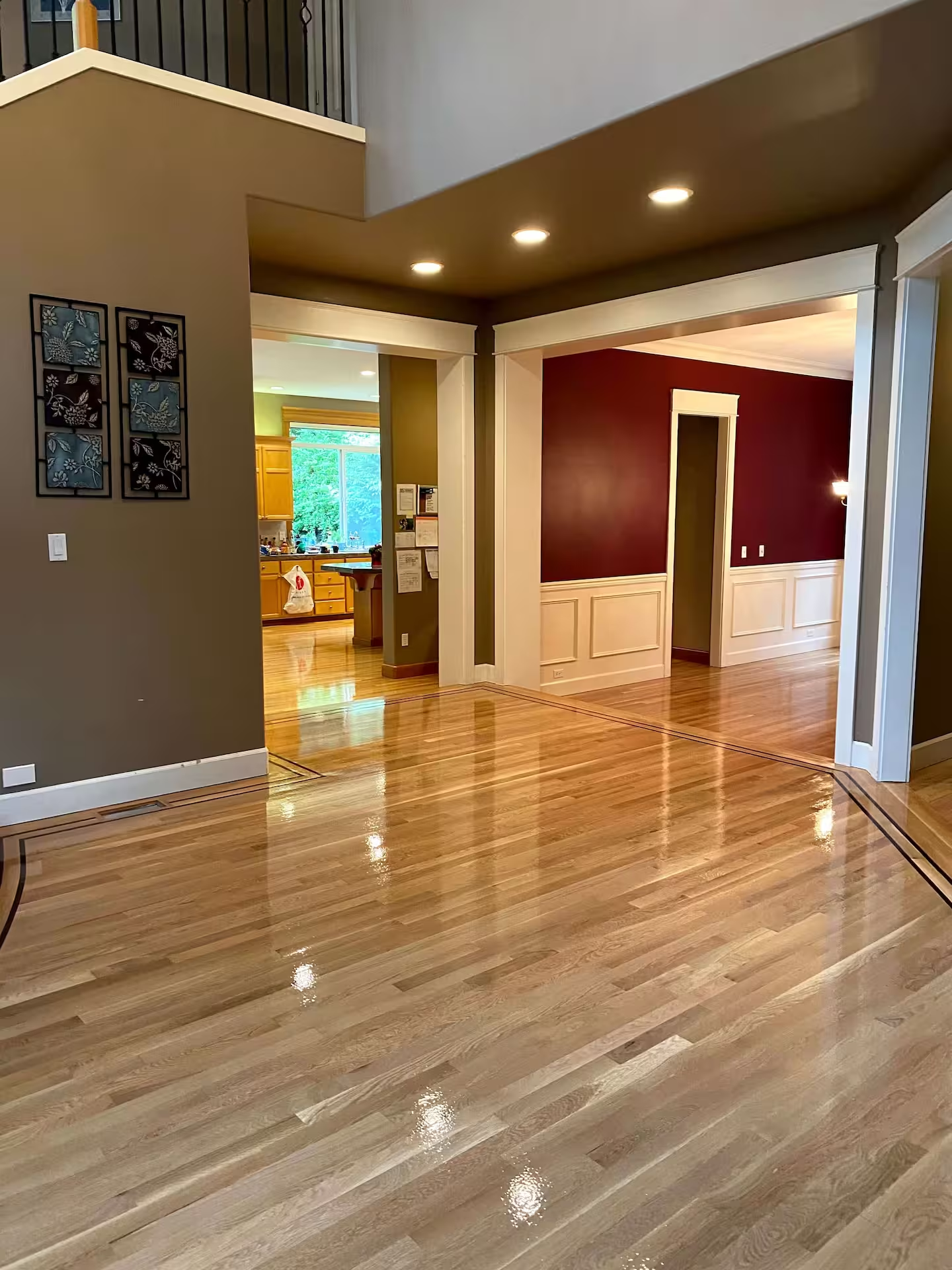
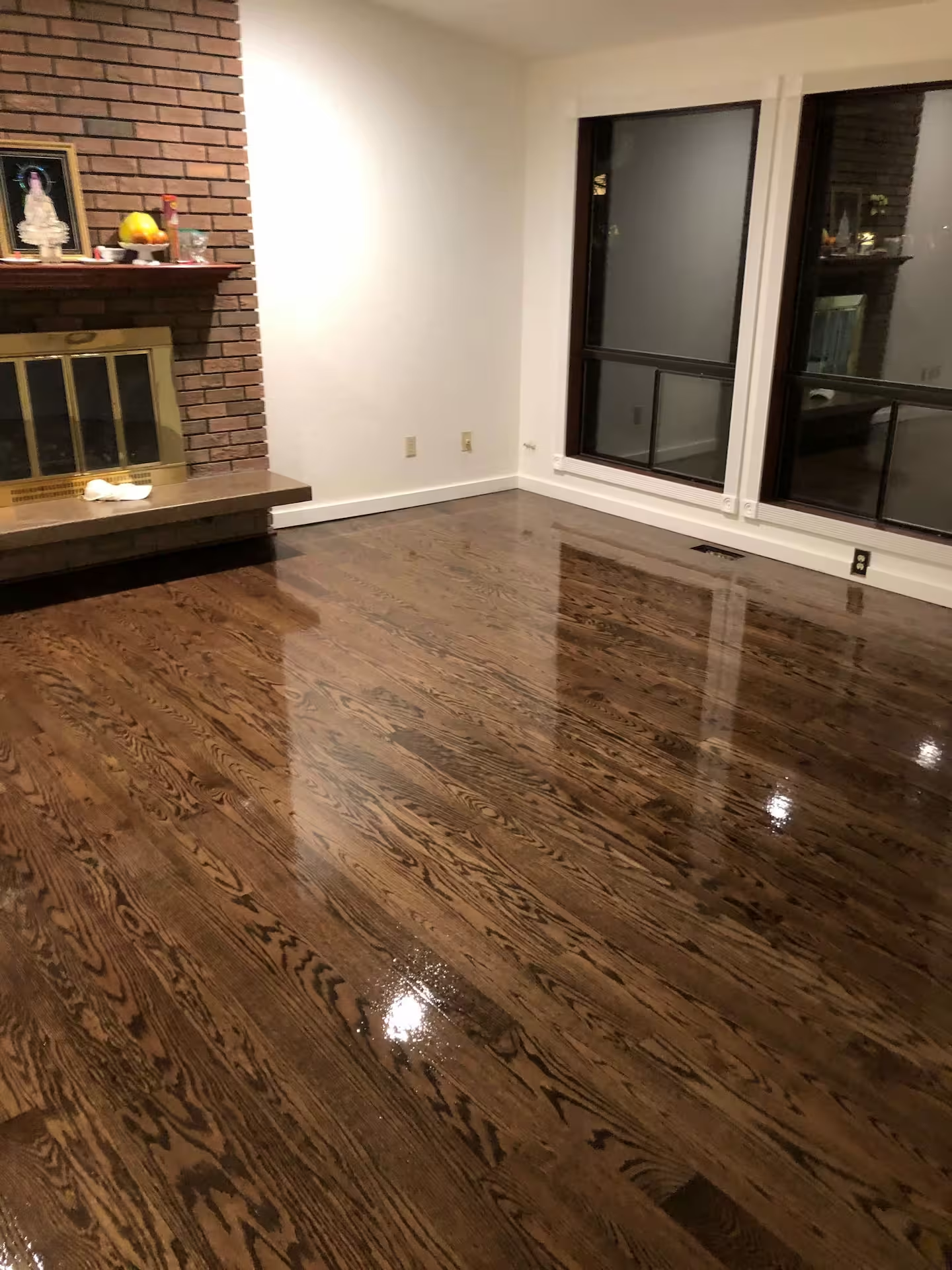
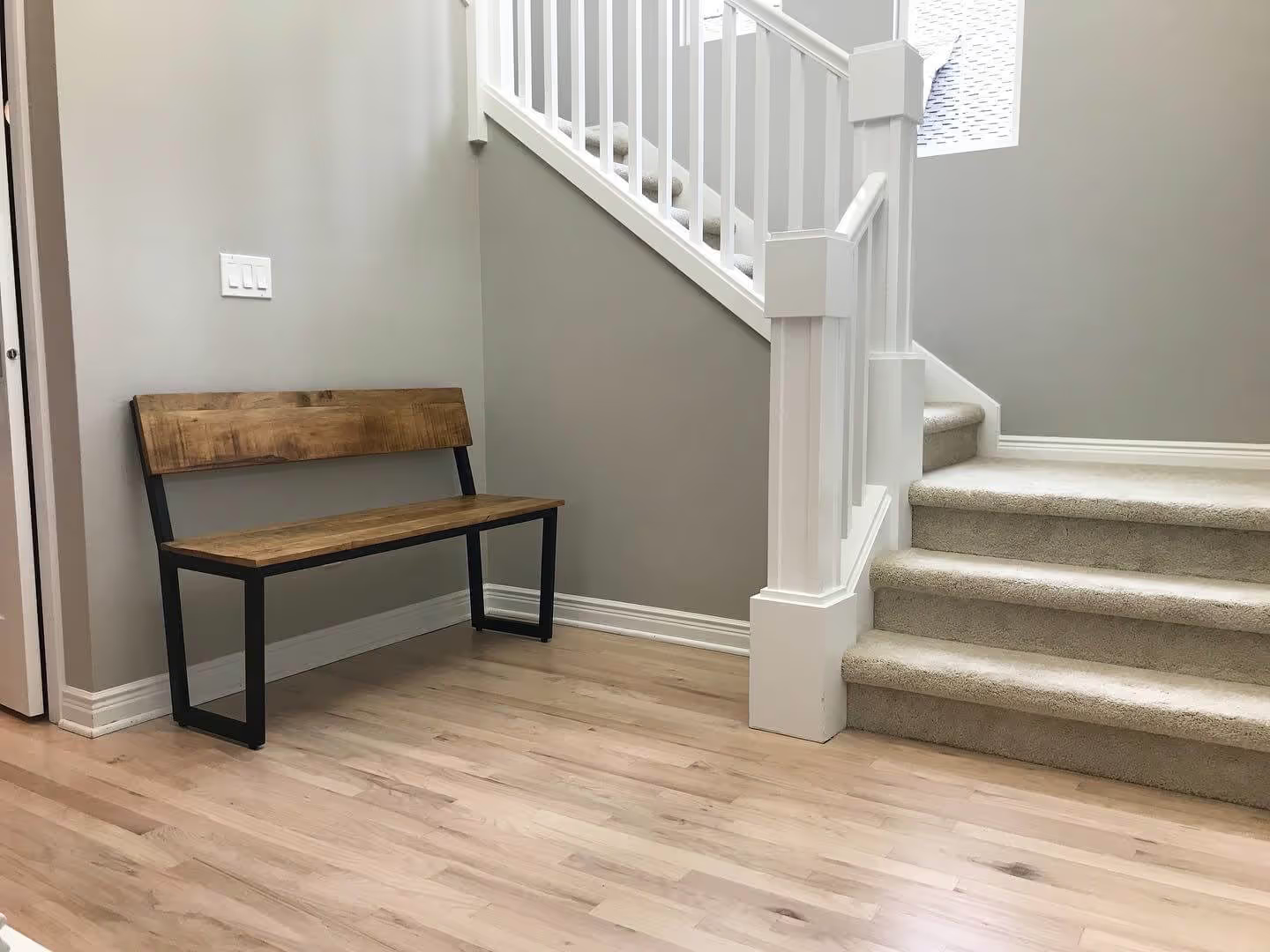
Hardwood floor resurfacing in a Sammamish, WA homeFree in-home estimate for hardwood floor refinishing by OC FlooringRestored hardwood floor in an Everett, WA home
  • Licensed & Insured
  • NWFA & Bona Certified
  • Bonded
WA Contractor Reg #
OCFLOFL852KQ
Verify at L&I
5-star reviews on Google

Loved by Bellevue, Seattle & the Eastside

4.7Rated 4.7 · 100 Google reviews

“The installers were great! The floor is exactly what we wanted. They also did the stairs, which were carpet. We worked with OC Flooring previously — they refinished our red oak. Highly recommend!”
Deborah C.Refinishing & stairs · Google
“They refinished over 300 sq ft of maple flooring that was 15 years old — the floors look as good or better than new!! They placed plastic sheeting over the cabinets to contain the dust, so we noticed hardly any. Would definitely recommend.”
Richard L.Maple refinish · Google
“OC Flooring did an excellent job repairing our wood floors. We chose them because they were professional and top-notch. The repair was smooth, fast and cost-effective — such skill and precision!”
Jasen H.Floor repair · Google
“I was worried our hardwoods could not be revived after years of big dogs, kids and sun fading. The OC guys did a beautiful job refinishing the floors before we put our home on the market. They look like new!”
Diane D.Refinish before sale · Google
Read all reviews on GoogleOpens our Google Business reviews in a new tab.

More services

Additional services we also provide. Learn more about what OC Flooring can do!

Engineered Hardwood Contractor · Seattle, Bellevue & Redmond · Since 2013

Engineered Hardwood Flooring Installation Across the Puget Sound

OC Flooring installs engineered hardwood in Seattle, Bellevue, Redmond, Kirkland, and surrounding Puget Sound communities. Choose real wood surfaces in prefinished and wide-plank options, with an installation method matched to the product and your subfloor. Approved products can work over concrete, below grade, or over radiant heat when their installation requirements are met.

Engineered floors & methods

  • Floating engineered hardwood floor installation — suitable products installed with the specified joint system, underlayment, and expansion space.
  • Glue down engineered hardwood installation — bonds approved planks to a properly prepared, moisture-tested subfloor.
  • Engineered hardwood over concrete & engineered hardwood for basements — use below-grade-approved products with suitable moisture control.
  • Wide plank engineered hardwood — modern, open-feeling floors.
  • Engineered white oak flooring installation & prefinished engineered hardwood installation.
  • Wear-layer selection — compare the actual wood veneer thickness and the manufacturer’s refinishing guidance before ordering.

Areas we serve

  • Engineered hardwood installation in Seattle.
  • Engineered wood flooring in Bellevue & across the Eastside.
  • Engineered hardwood flooring in Redmond & engineered hardwood installer in Kirkland.
  • Engineered hardwood flooring in Snohomish County.
  • Free in-home estimates across the greater Puget Sound.

Why homeowners choose our engineered hardwood company

  • Licensed & insured. An engineered hardwood flooring contractor in WA, with a one-year workmanship warranty; ask for the written terms.
  • Right product, right room. We help you choose the best engineered hardwood for Pacific Northwest moisture and your specific subfloor.
  • Done right. Proper acclimation, moisture testing, and subfloor prep on every install.
  • Clear pricing. Transparent engineered hardwood flooring cost with a written estimate up front.

Engineered hardwood installation cost: materials and labor

Our installation labor planning range is $4–$8 per square foot, with flooring materials separate. The selected product, fastening method, layout, site access, and subfloor condition determine your written estimate. Ask for separate material and labor line items so you can compare the same scope.

Installation labor examples — materials excluded
Floor areaLabor at $4/sq. ft.Labor at $8/sq. ft.
200 sq. ft.$800$1,600
500 sq. ft.$2,000$4,000
1,000 sq. ft.$4,000$8,000

Total project cost = flooring materials + installation labor + project-specific extras. For illustration only, if your selected flooring costs $6 per square foot and you order 220 square feet for a 200-square-foot room, materials would be $1,320. Adding $800–$1,600 in installation labor gives $2,120–$2,920 before extras and applicable tax. The $6 material price and 10% overage are example assumptions, not a product offer or a required waste allowance.

Confirm whether removal and disposal, subfloor flattening or repair, moisture mitigation, adhesive or underlayment, furniture moving, transitions, baseboards, and stairs are included. Product prices and waste allowances vary; custom layouts and smaller jobs may price differently.

Core construction and wear layer: what matters?

Ply count alone does not establish price, durability, or moisture resistance. Engineered products use different core materials and constructions, including layered wood and fiberboard. Compare the complete specification rather than assuming a 7-ply floor is always better than a 3-ply floor.

How to compare engineered hardwood specifications
SpecificationWhat to check
Core constructionCore material, overall construction, approved rooms, installation methods, and manufacturer requirements—not simply 3, 5, or 7 layers.
Real wood wear layerVeneer thickness in millimeters, remaining sandable wood, and written refinishing guidance. This is different from total plank thickness.
Species, width, and surfaceCompare appearance, texture, finish, board dimensions, and matching trim. These also affect price.
Subfloor requirementsAll products need the specified flatness, dryness, and structural support. Extra core layers do not replace subfloor preparation.

How long does engineered hardwood last, and can it be refinished?

Engineered hardwood can provide decades of service with appropriate installation and care, but there is no universal lifespan or guaranteed refinish count. The remaining wood wear layer, previous sanding, texture, damage, finish compatibility, and manufacturer instructions determine the options.

Wear-layer thickness and refinishing considerations
Wood wear layerWhat it means when planning future maintenance
About 1–2 mmGenerally too thin for full sanding to bare wood. A compatible maintenance recoat may be possible after evaluation.
Around 2.5–3 mmSome factory-finished products may qualify for refinishing. Confirm actual remaining thickness and product guidance; do not assume one or two sandings.
4 mm or moreProvides more wood to work with, but damage depth, prior sanding, and surface details still limit refinishing. Thickness is not a guaranteed number of future sandings.

NWFA's voluntary Refinishable Program uses minimum wear layers of 2.5 mm for smooth factory-finished flooring, 3.2 mm for smooth unfinished flooring, and 2.5 mm at the lowest point for sculpted or distressed flooring. These are product eligibility benchmarks, not automatic approval to sand an existing floor.

Recoating refreshes a compatible finish without sanding the floor back to bare wood. Full sanding removes wood and may change factory texture or bevels. For Puget Sound homes, control indoor humidity, wipe up tracked-in rain promptly, and address leaks rather than relying on the layered core for water protection.

Reference: NWFA Engineered Wood Flooring Refinishable Program.

Indoor air quality: formaldehyde and VOC documentation

Ask for documentation for the exact flooring product, plus its adhesive, underlayment, and any site-applied finish. Brand names or an “eco-friendly” description alone do not establish emissions performance.

  • TSCA Title VI: Look for the applicable U.S. formaldehyde-compliance labeling and documentation for regulated composite wood products.
  • CARB Phase 2: This is California's formaldehyde standard. E0 and E1 labels are not CARB Phase 2 certifications and should not replace U.S. compliance documentation.
  • No-added formaldehyde (NAF): This describes the resin formulation. It does not mean the complete floor has zero formaldehyde or zero VOC emissions.
  • FloorScore: This voluntary certification evaluates finished flooring for emissions of 35 specified VOCs, including formaldehyde. Verify that the current certificate covers the selected product.

Follow adhesive and finish instructions for ventilation, curing, and room use. Emissions certifications address defined testing criteria; they are not a promise that every person will react the same way to a product.

References: EPA composite wood standards and SCS FloorScore certification.

Engineered hardwood vs. luxury vinyl plank

Engineered wood or LVP: compare your priorities
ConsiderationEngineered hardwoodLuxury vinyl plank (LVP)
SurfaceA real wood wear layer with natural grain and variation.A printed decorative layer with a protective wear surface.
MoistureTreat conventional engineered wood as moisture-sensitive; clean spills promptly and follow room restrictions.Many products have waterproof planks, but the floor is not a substitute for fixing leaks or managing subfloor moisture.
Future renewalMay allow recoating or sanding, depending on the product and remaining wood.Cannot be sanded and refinished like wood; damaged planks may need replacement.
BudgetCompare materials, installation method, preparation, and future maintenance.May offer lower-cost options, but preparation, product grade, trim, and stairs still affect the total.
Best fitLiving areas where real wood appearance is a priority and moisture is controlled.Rooms where spill resistance and easy cleanup are priorities, subject to the product's approved uses.

For a Seattle basement, start with concrete moisture testing and any water-entry problems. Below-grade-approved engineered wood can work in a dry, controlled space. An approved LVP product may suit greater spill exposure, but neither choice fixes a damp slab or protects the building from flooding. Compare the product warranties and installation requirements before deciding.

Engineered Hardwood Flooring in Bellevue, WA — FAQs

What is engineered hardwood flooring?

Quick answer: Real wood on the surface, with a supporting core.

Engineered hardwood has a real wood wear layer over a layered wood or composite core. Its construction can improve dimensional stability compared with solid wood, but it still needs suitable indoor conditions and protection from moisture.

How much does engineered hardwood flooring cost to install?

Quick answer: Plan around $4–$8 per square foot for installation labor; materials are separate.

OC Flooring's installation labor planning range is $4–$8 per square foot. Add the selected flooring and any preparation, removal, adhesive or underlayment, trim, stairs, or furniture moving identified in your estimate. Total cost depends on the exact product and project scope; request a written in-home estimate.

Do more core layers make engineered flooring better?

Quick answer: Compare the complete product, not just ply count.

Core material, construction, wear-layer thickness, finish, and approved installation conditions matter together. A higher ply count does not automatically mean a better floor, a thicker wood veneer, or less subfloor preparation.

Can engineered hardwood go over concrete or in a basement?

Quick answer: Yes, when the product and site conditions allow it.

Choose a product approved for the installation level and method. Concrete moisture testing, subfloor preparation, and the specified moisture-control system are essential. Resolve leaks or dampness before installation; engineered wood is not a remedy for a wet basement.

Floating, glue-down, or nail-down—which is better?

Quick answer: Use a method approved for the product and subfloor.

Floating floors use approved locking or glued joints and specified underlayment. Glue-down flooring bonds to a prepared substrate with a compatible adhesive. Nail- or staple-down installation requires a suitable wood subfloor and manufacturer approval. Flatness, moisture, expansion space, and condo sound requirements help determine the choice.

What is the best engineered hardwood for the Pacific Northwest?

Quick answer: Choose for the room, moisture conditions, and maintenance goals.

Engineered white oak is a popular appearance choice. Also compare construction, wear layer, finish, indoor humidity requirements, and installation approval. Species alone does not make a floor suitable for a damp room.

Is engineered hardwood waterproof?

Quick answer: Conventional engineered hardwood should not be treated as waterproof.

The layered core can improve stability, but water can still damage the wood and bonds. Clean spills promptly and follow the product's moisture restrictions. Any advertised water-protection feature applies only within that product's written terms.

Can engineered hardwood be sanded and refinished?

Quick answer: Some products can; inspect the remaining wood first.

Veneer thickness, prior sanding, texture, damage, and manufacturer guidance determine whether full sanding is appropriate. Thin 1–2 mm veneers are generally unsuitable for sanding to bare wood. Thicker veneers provide more options but do not guarantee a specific refinish count.

Is buffing and recoating the same as refinishing?

Quick answer: A maintenance recoat and full sanding are different treatments.

Recoating renews a compatible finish without sanding down to bare wood. It will not remove deep wood damage or change the stain color like a full refinish. The existing coating and any cleaning-product contamination must be evaluated for adhesion.

How long does engineered hardwood last?

Quick answer: It can serve for decades with suitable care.

Service life depends on the product, traffic, moisture exposure, installation, and maintenance. A refinishable wear layer may extend useful life. A warranty term is not a guaranteed lifespan, and no fixed number of years applies to every engineered floor.

What emissions documentation should I request?

Quick answer: Check the exact product's compliance and certification documents.

Ask for applicable TSCA Title VI labeling and formaldehyde documentation. FloorScore is a separate voluntary certification for specified VOC emissions from finished flooring. A no-added-formaldehyde resin claim does not mean the entire floor has zero emissions. Check adhesives, underlayment, and finishes too.
Is engineered hardwood or vinyl plank better for my home?

Quick answer: Match the floor to moisture exposure and your preferred surface.

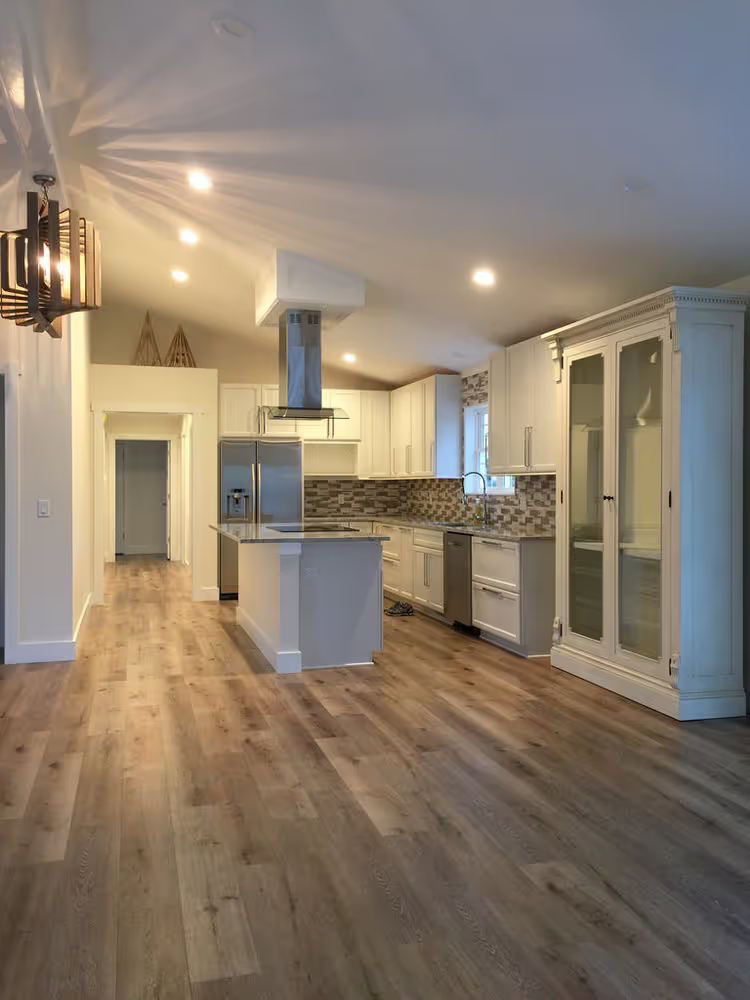
Engineered hardwood offers a real wood surface and possible future refinishing. Many LVP products offer waterproof planks and easy cleanup, but cannot be sanded like wood. Both require suitable subfloor preparation and moisture control. Compare complete installed quotes and product-specific warranties.
Can engineered hardwood be installed over radiant heat?

Quick answer: Only with approval for the exact flooring and heating system.

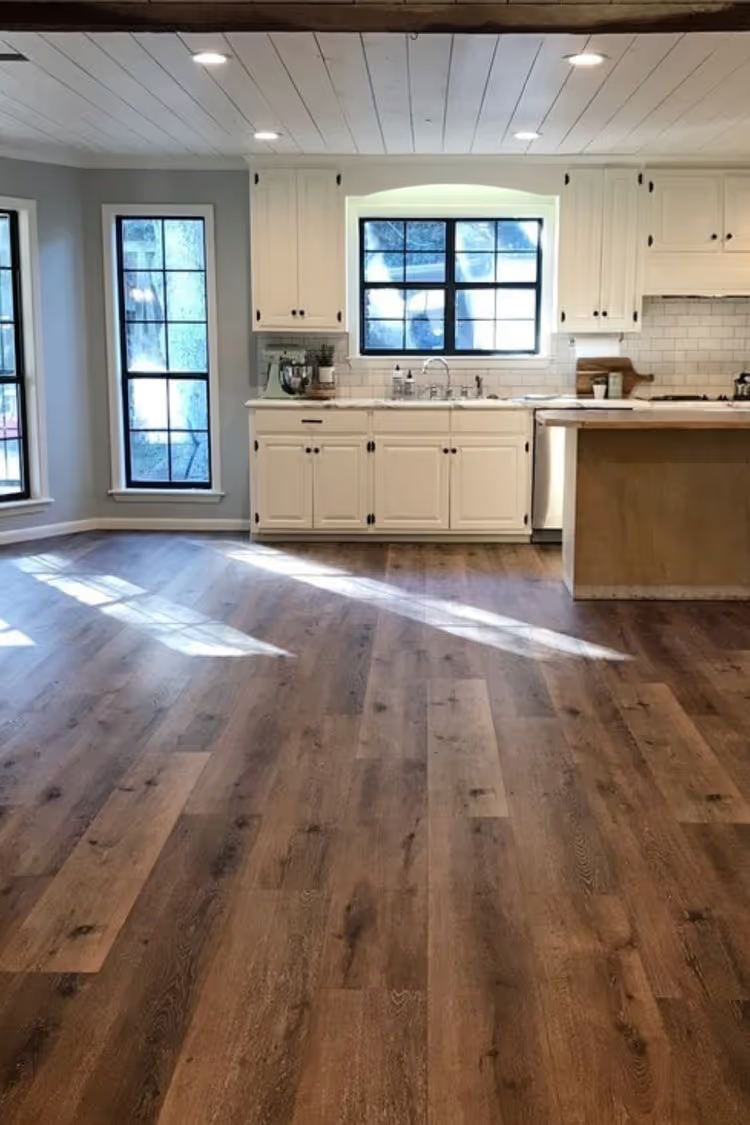
Check the manufacturer's approved heating types, surface-temperature limits, humidity requirements, and startup procedure. Approval varies by product; engineered construction alone does not establish compatibility.

Do you install prefinished and wide-plank engineered floors?

Quick answer: Yes—OC Flooring installs both.

Prefinished floors arrive with the factory finish already applied, reducing on-site sanding and coating. Wide planks must still meet the manufacturer's requirements for fastening, adhesive, moisture control, and subfloor flatness.
Do you provide a warranty on engineered hardwood installation?

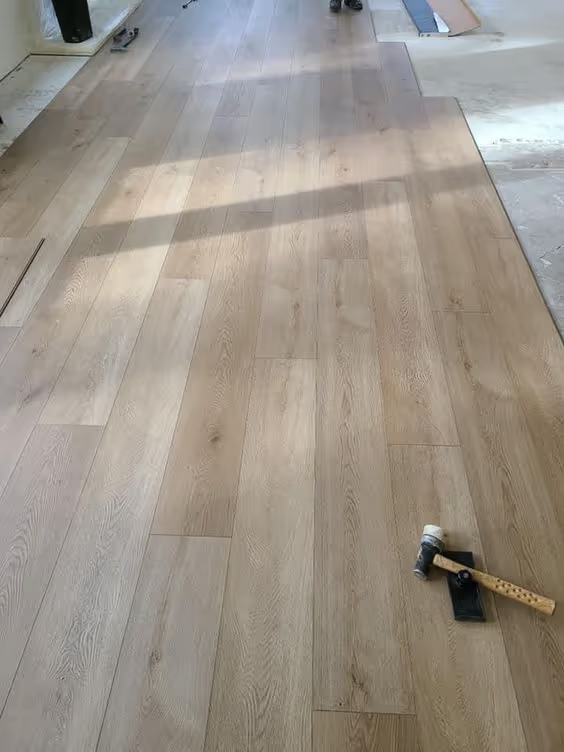
Quick answer: OC Flooring offers a one-year workmanship warranty.

Ask for the written workmanship terms and any applicable manufacturer warranty for your selected flooring. Product coverage, exclusions, approved uses, and care requirements depend on those written terms.

Free 30-Minute In-Home Flooring Visit

We come to you, measure the space, photograph the condition, and email you a written quote within 24 hours. No pressure. No phone tag. Just a clear price.
Schedule Free In-Home Estimate
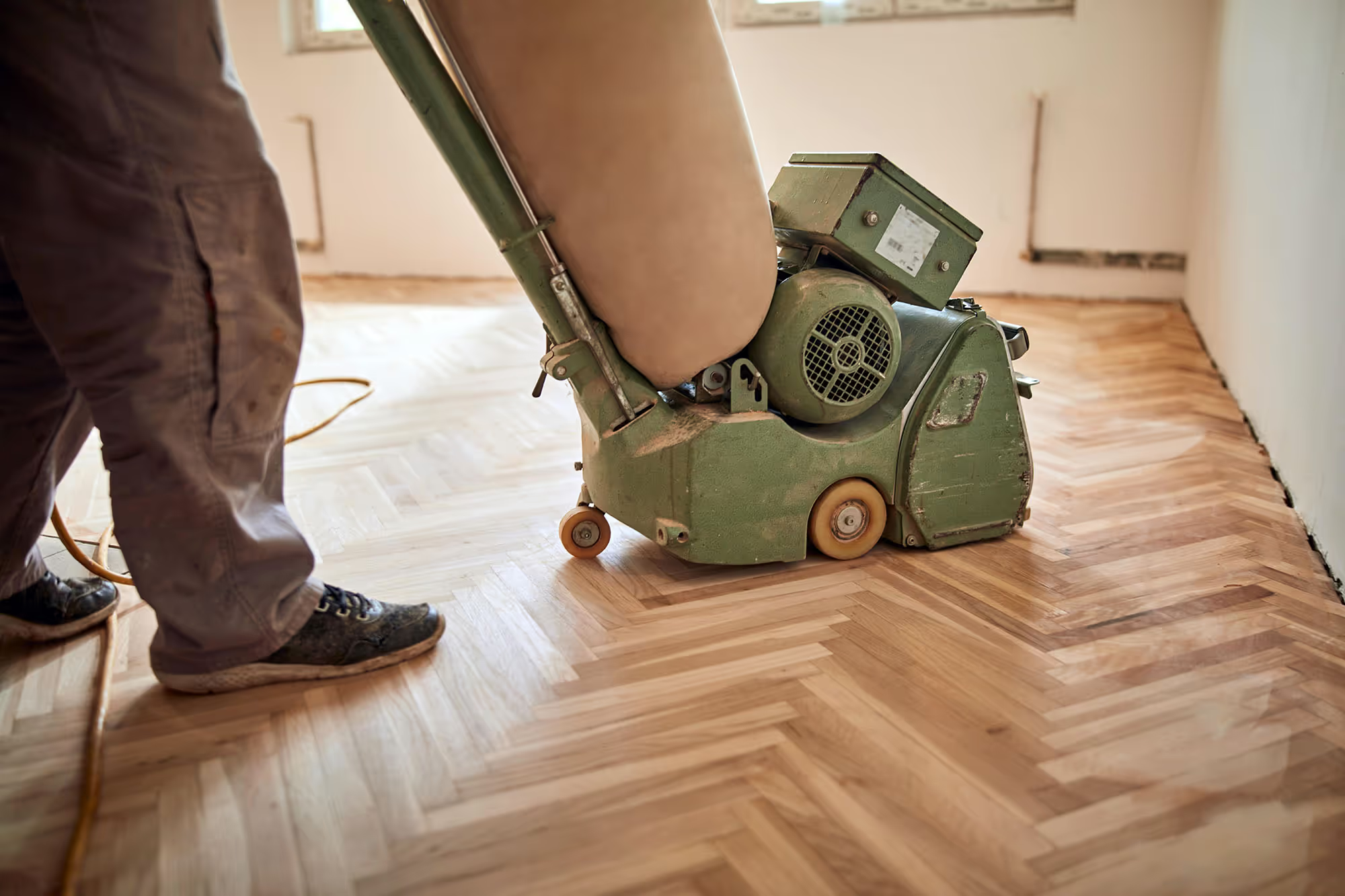
Sanding a hardwood floor during refinishing

Why Bellevue Families Choose Engineered Hardwood from OC Flooring

Trusted Engineered Hardwood Flooring Experts Since 2013
Dustless wood floor sanding in progress

When you want the look of hardwood with added durability, engineered hardwood is the smart choice. OC Flooring installs engineered hardwood flooring in Bellevue, WA, bringing warmth and strength to your home with better resistance to moisture and everyday wear.

We are a licensed and insured local company backed by more than 120 five-star reviews, and every installation carries a 1-year workmanship warranty. From your free in-home estimate to the final walkthrough, we help you choose the right color, texture and finish, then install with precision and clean work practices.

We serve Bellevue and the Eastside, including Kirkland, Redmond and Issaquah. Ready to upgrade your floors? Contact OC Flooring today to schedule your free in-home estimate.

Proudly Serving Homeowners Across King & Snohomish Counties