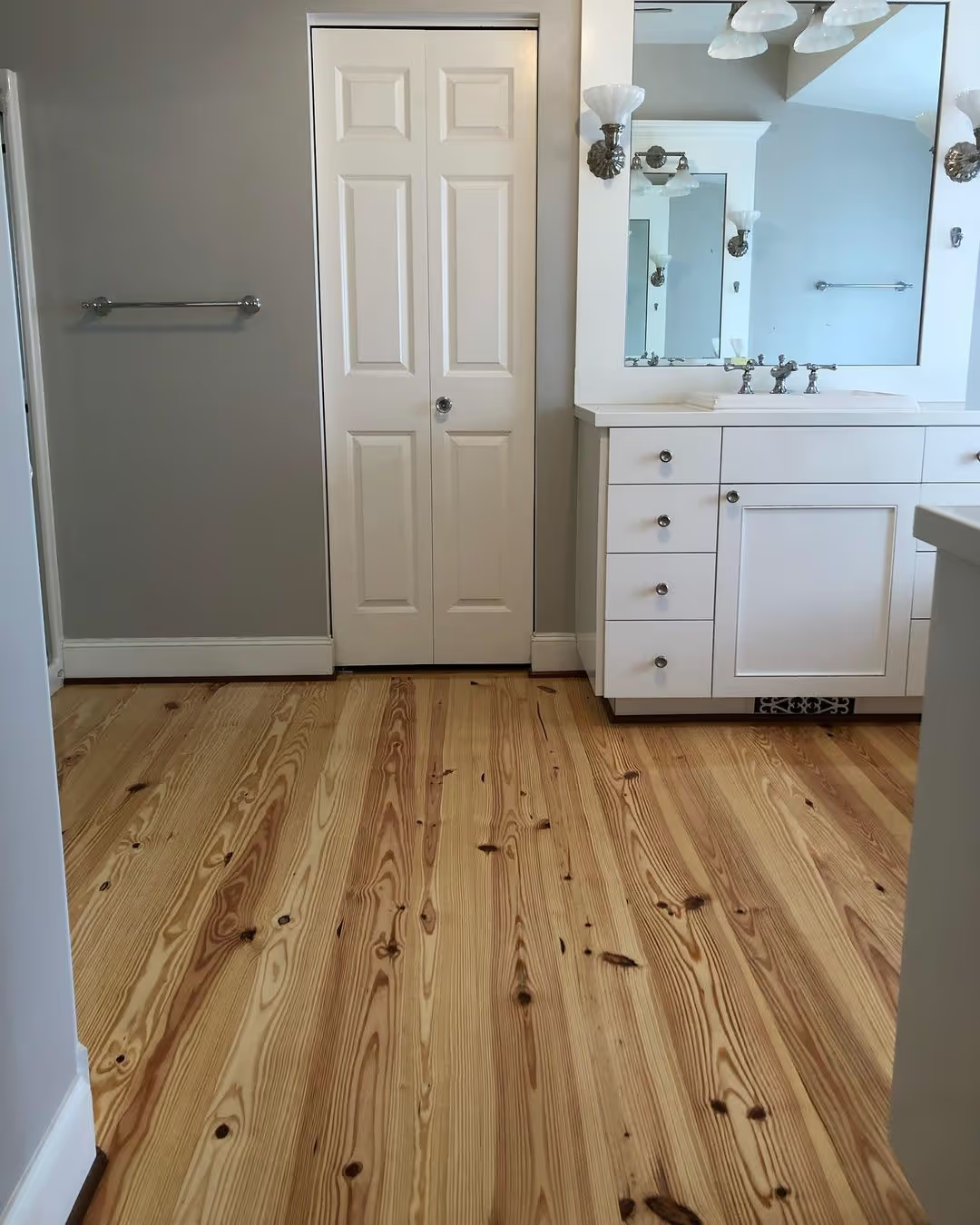
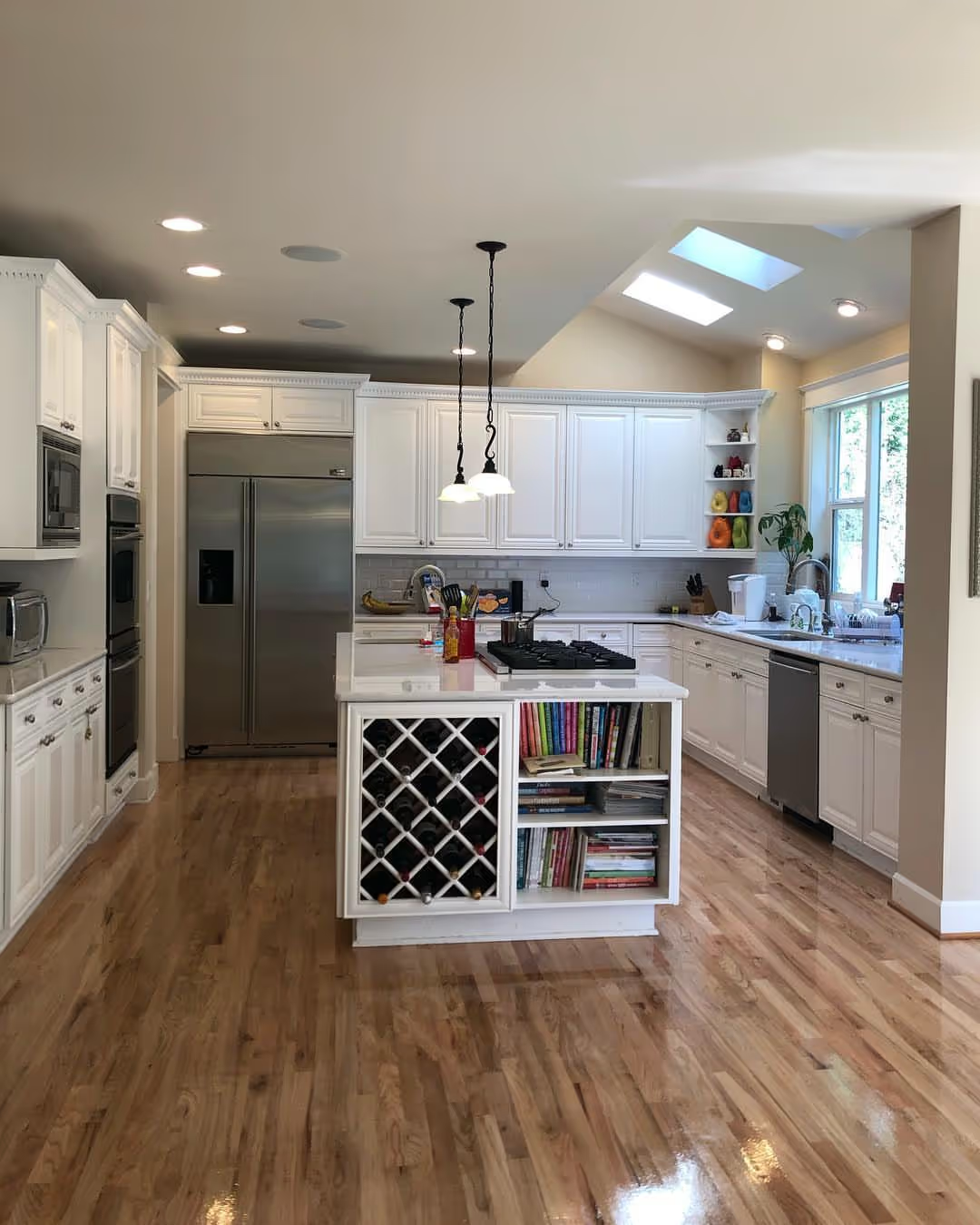
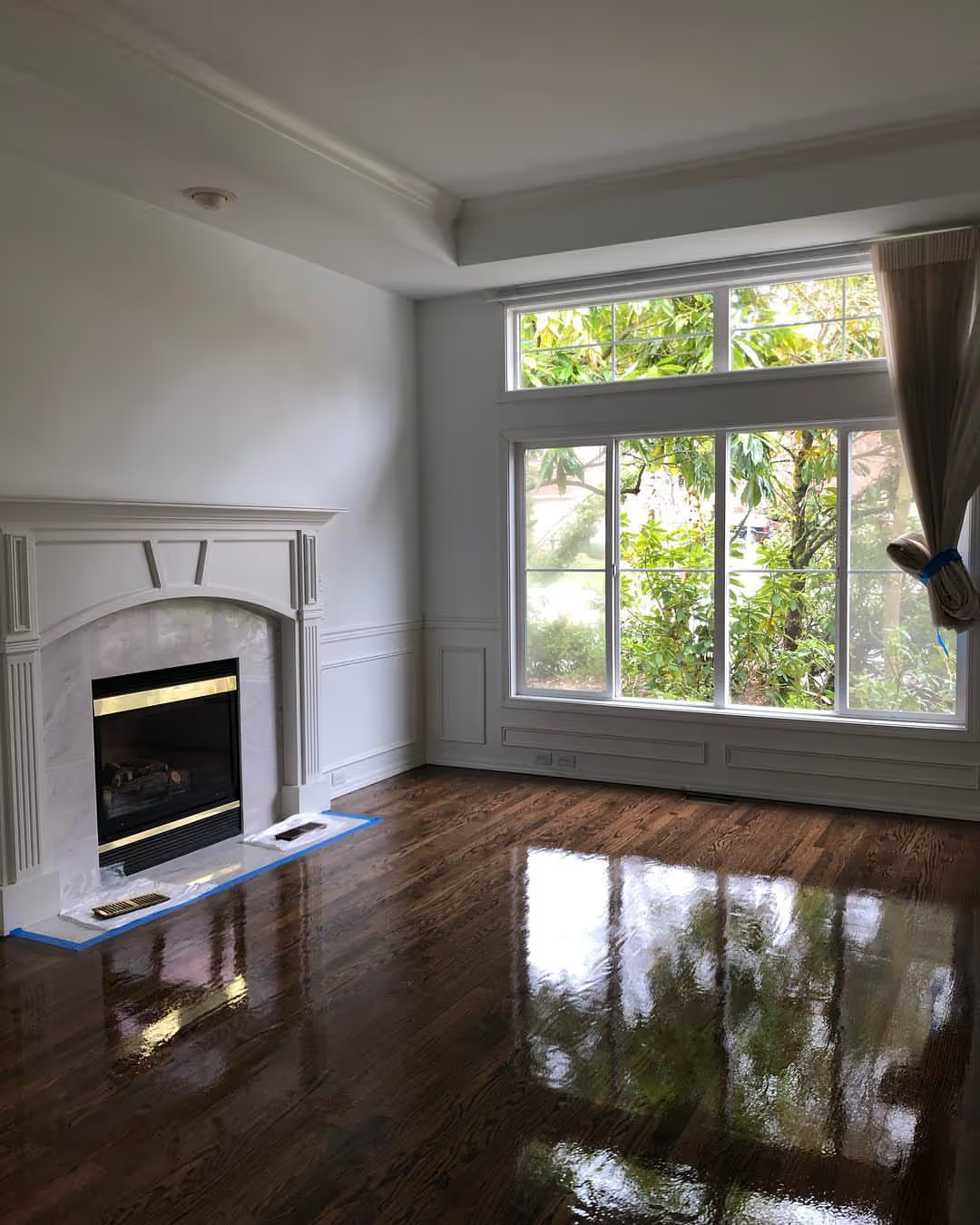
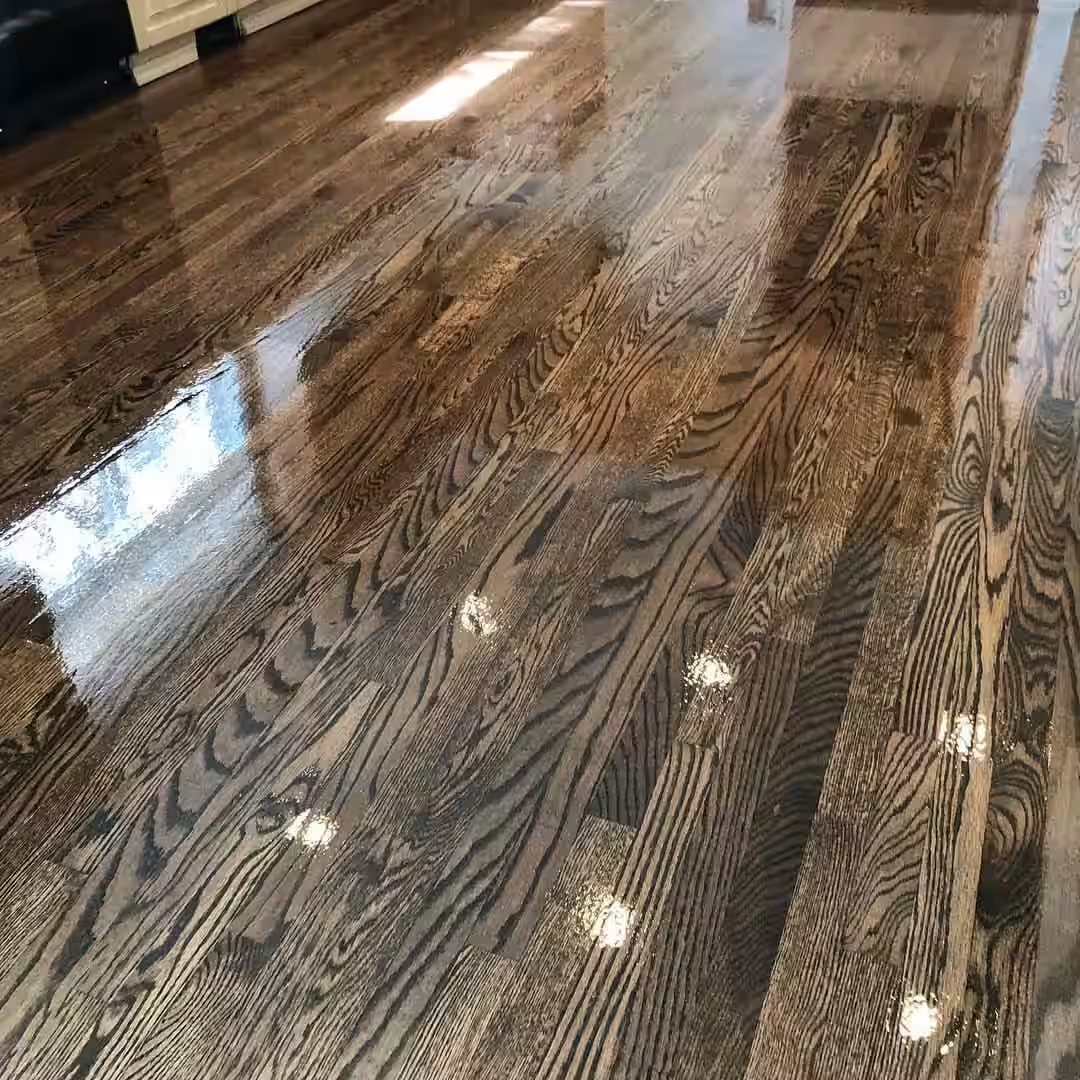
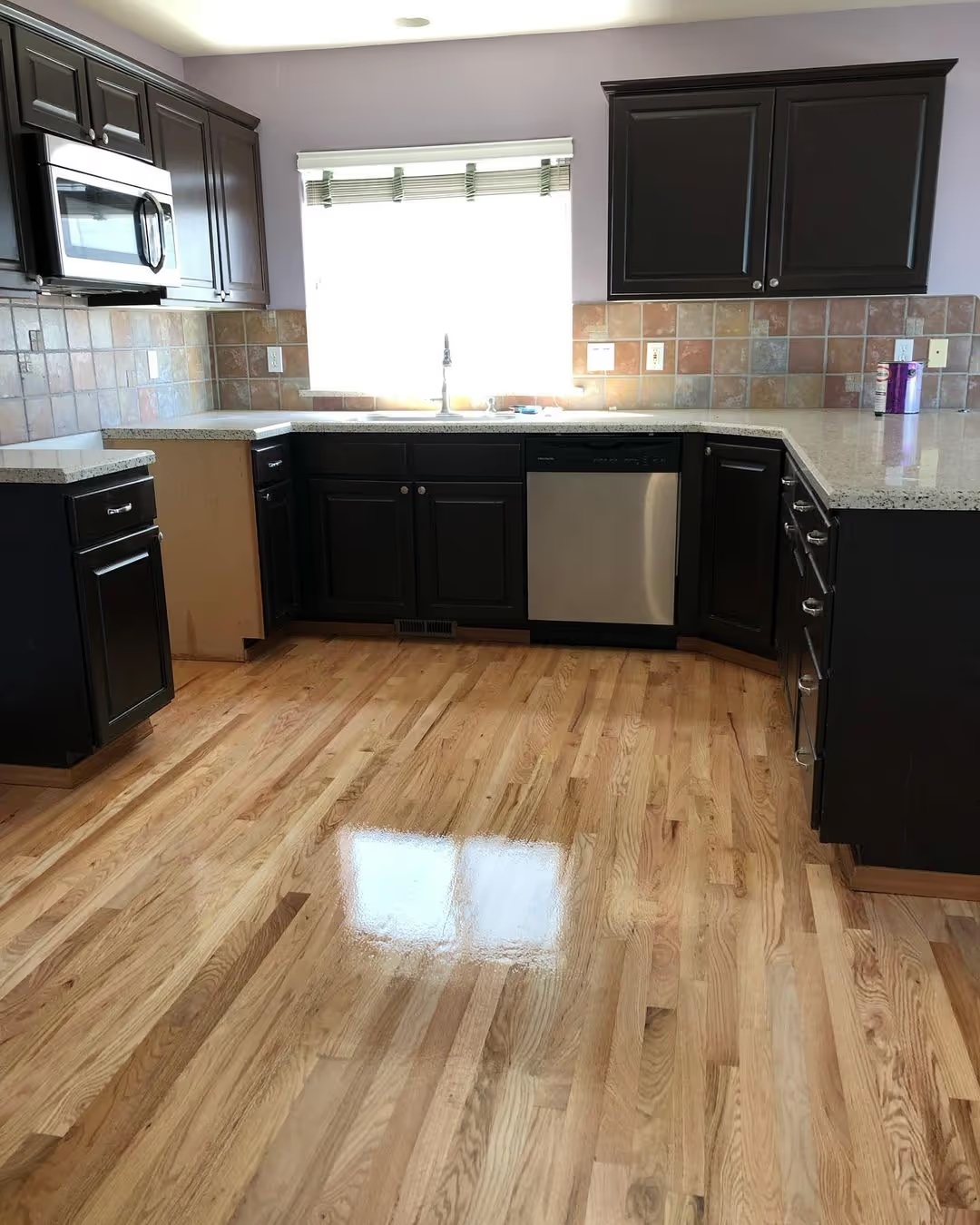
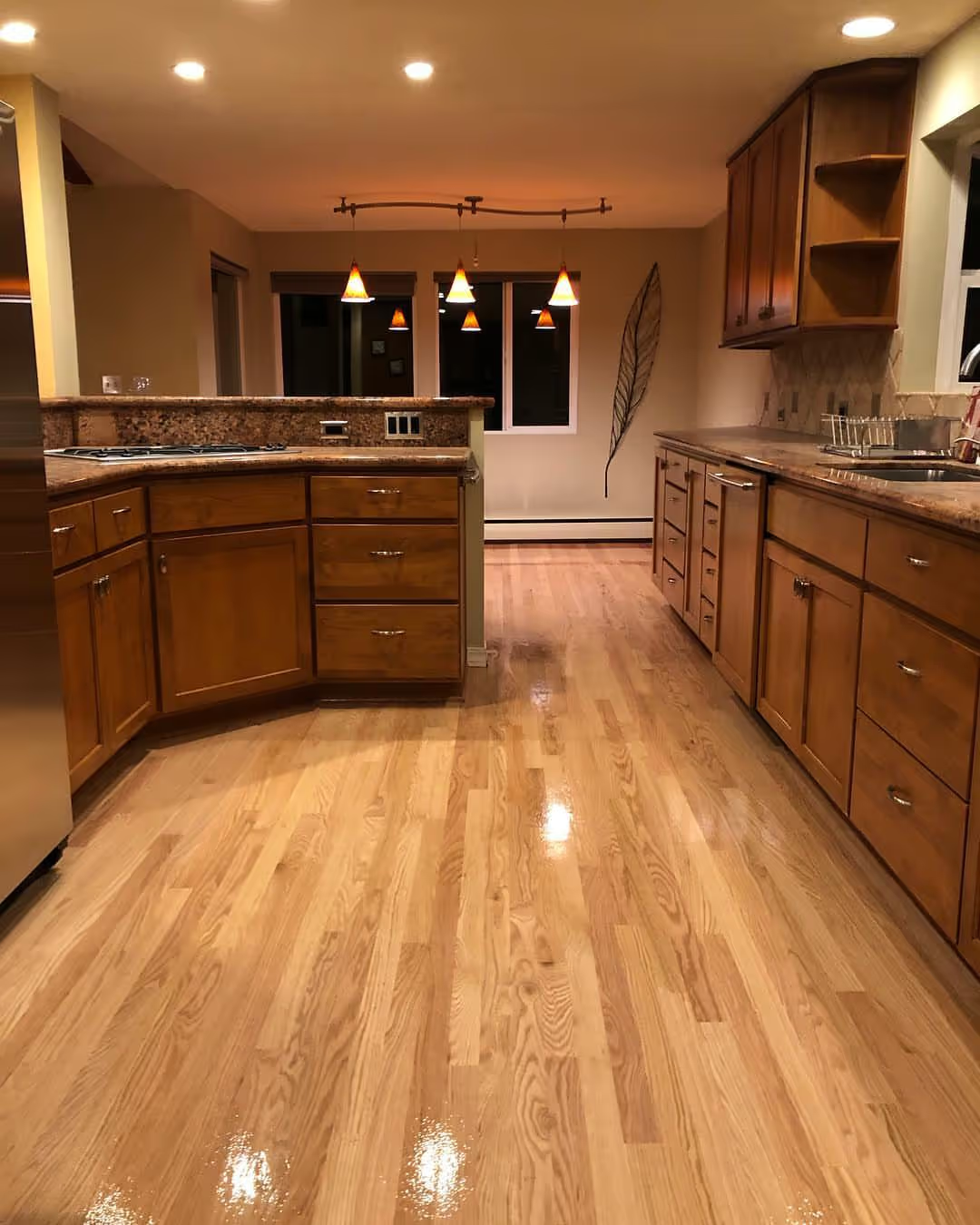
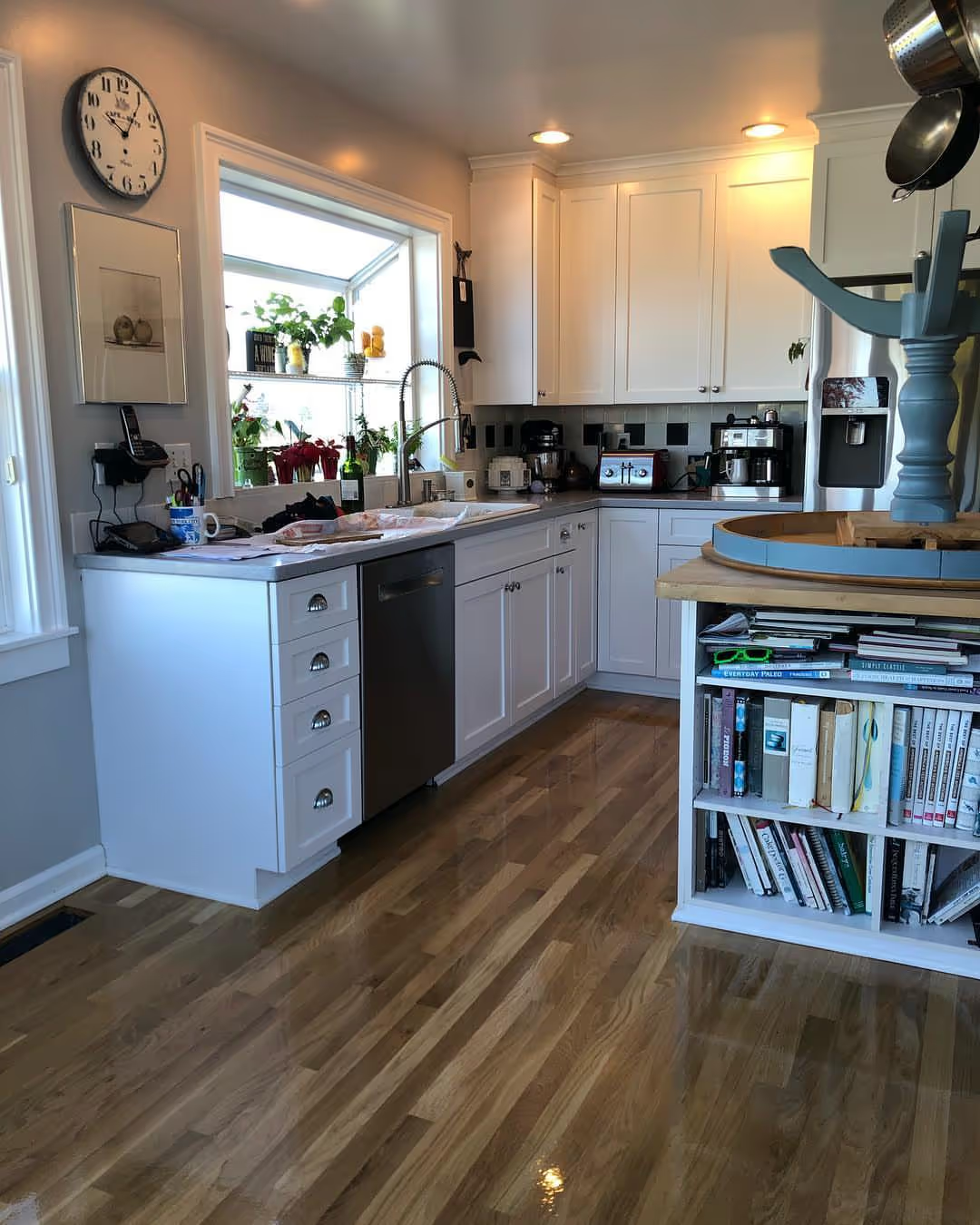
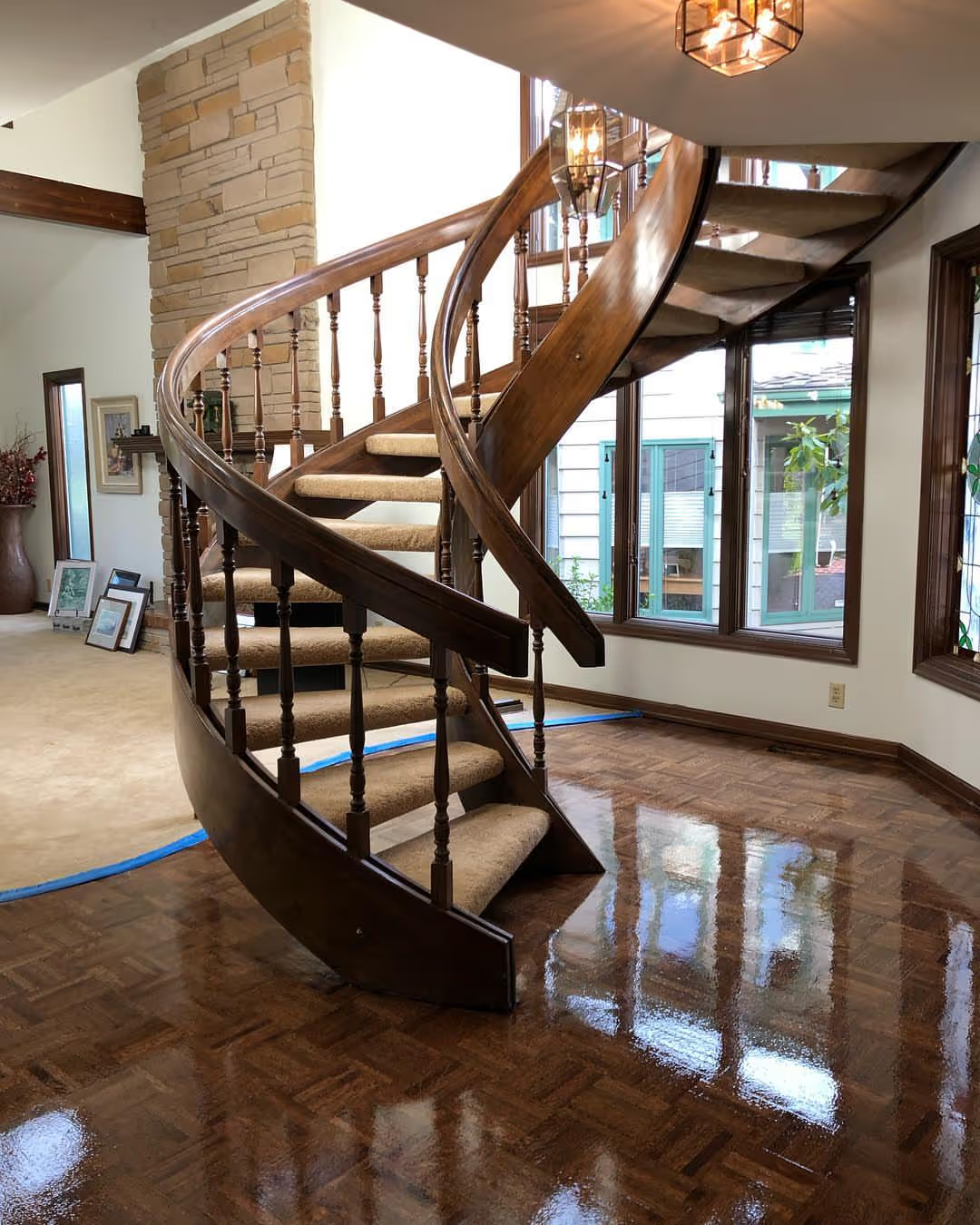
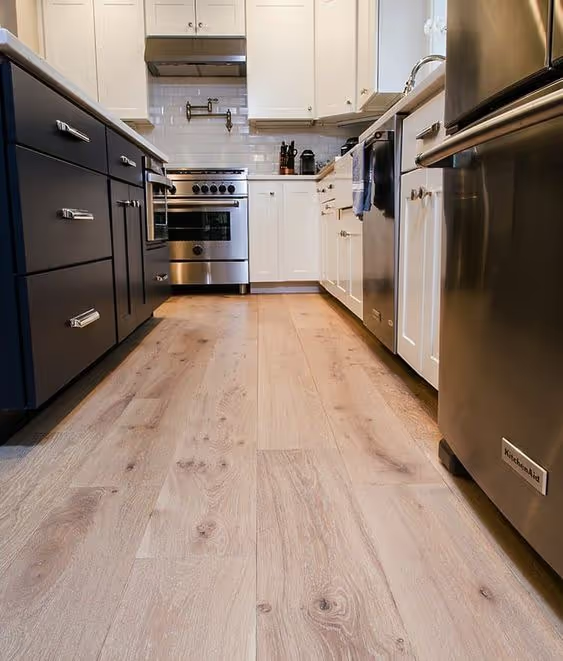
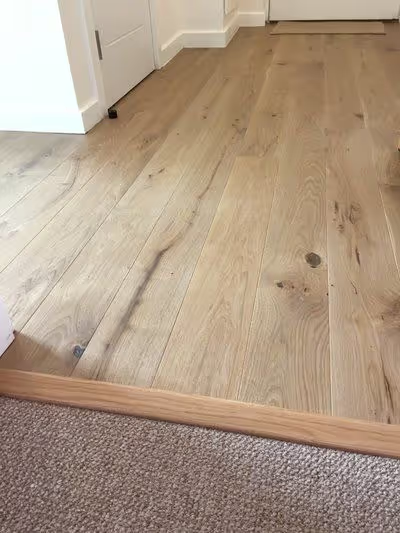
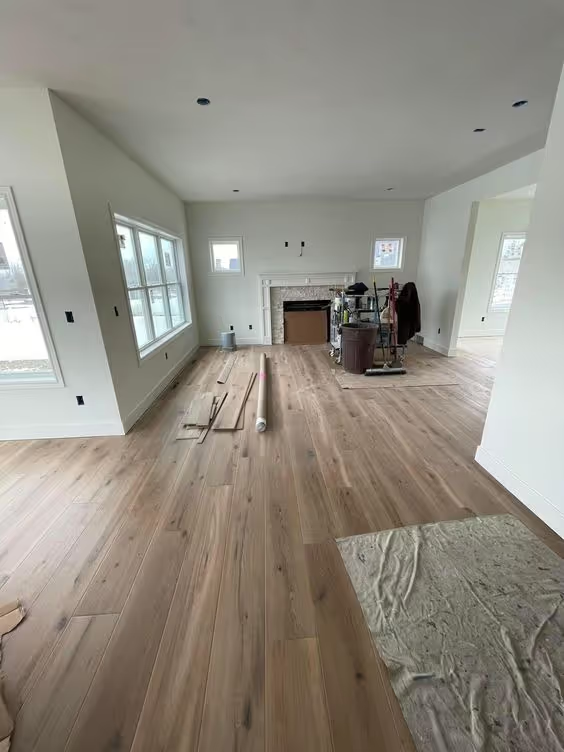
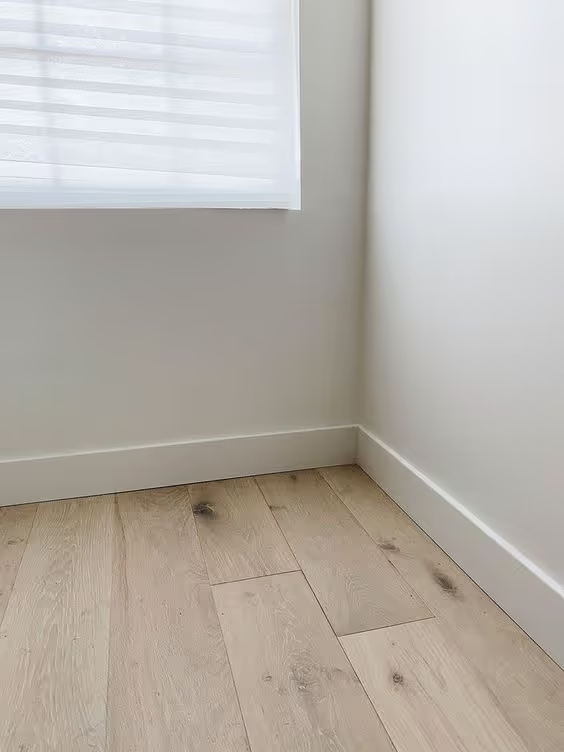
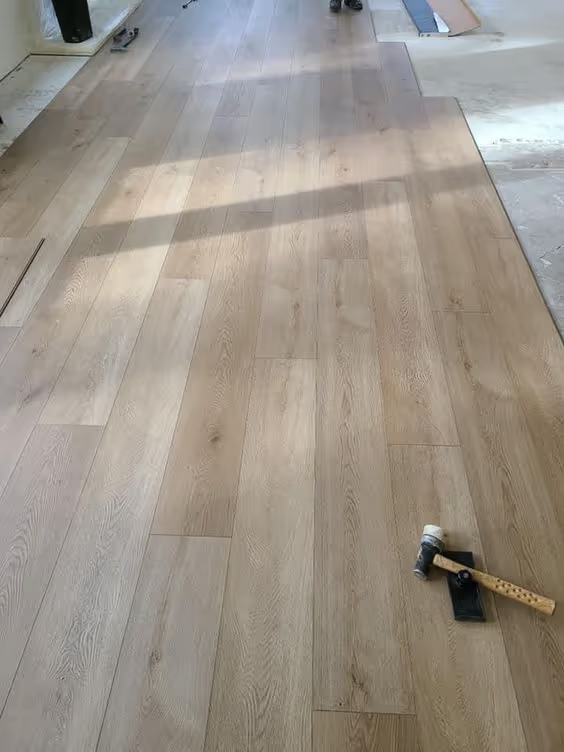
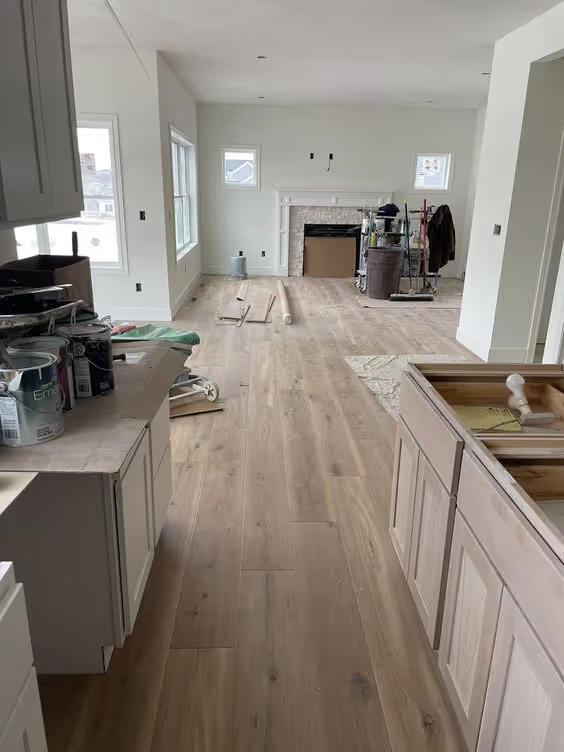
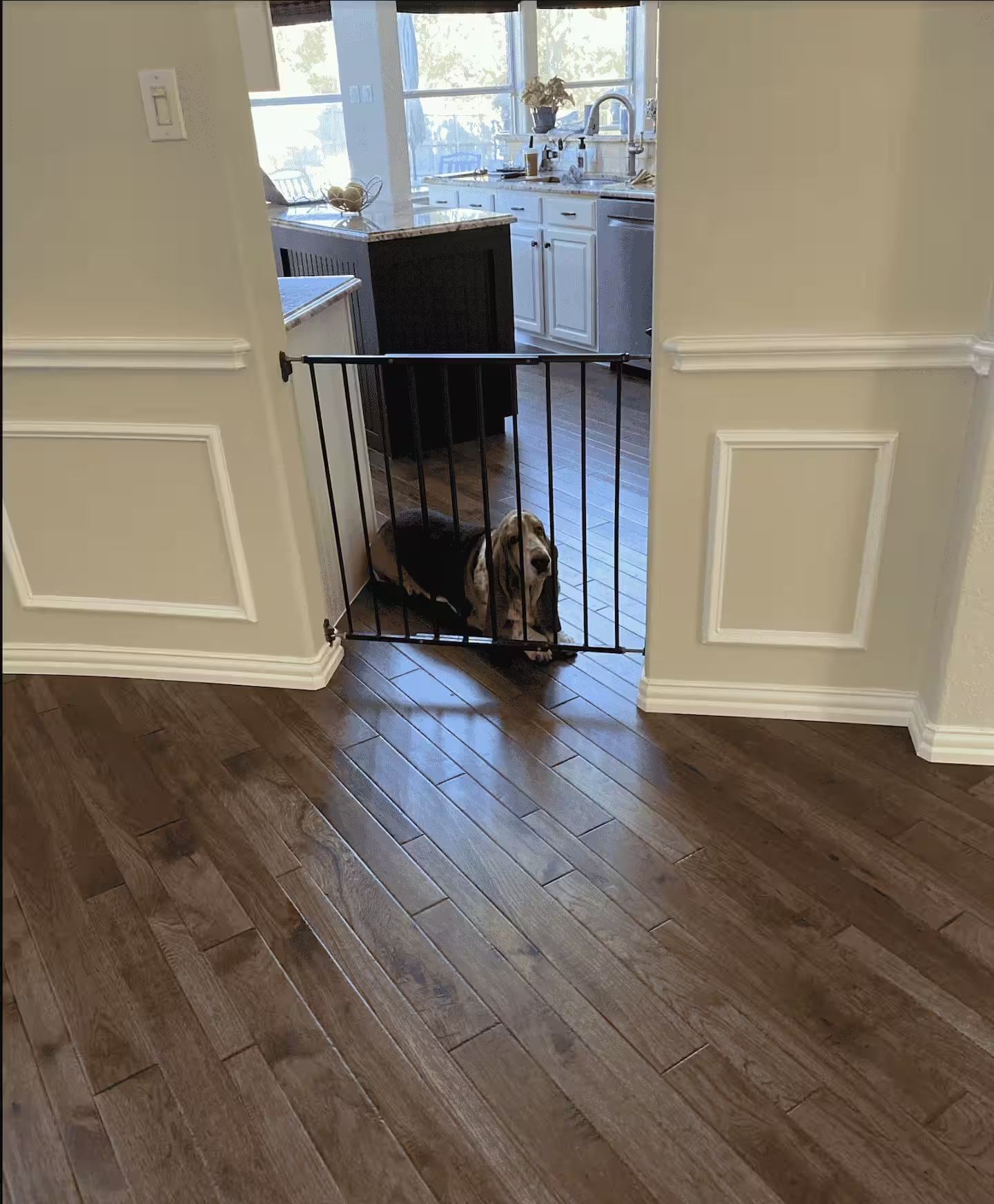
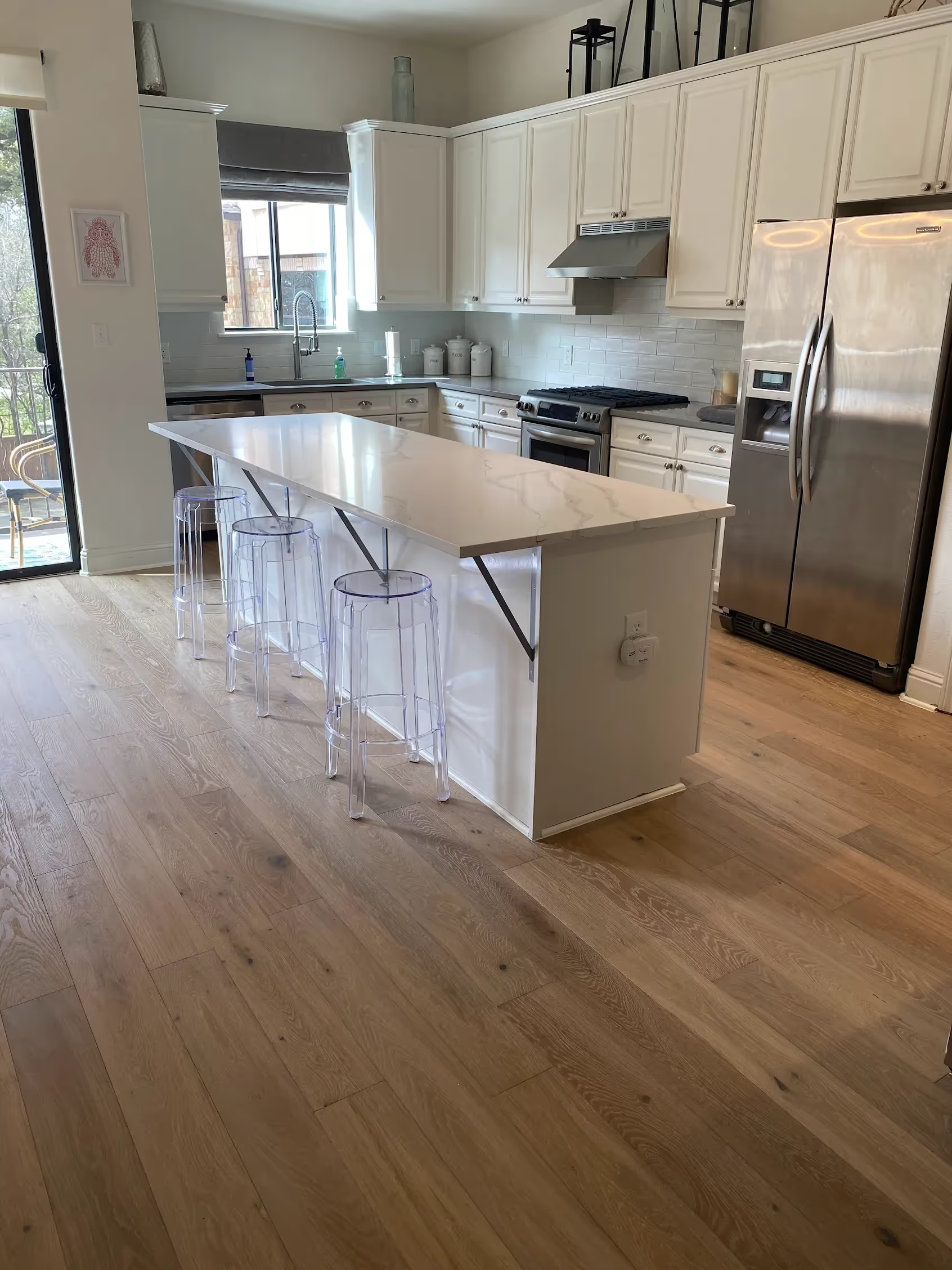
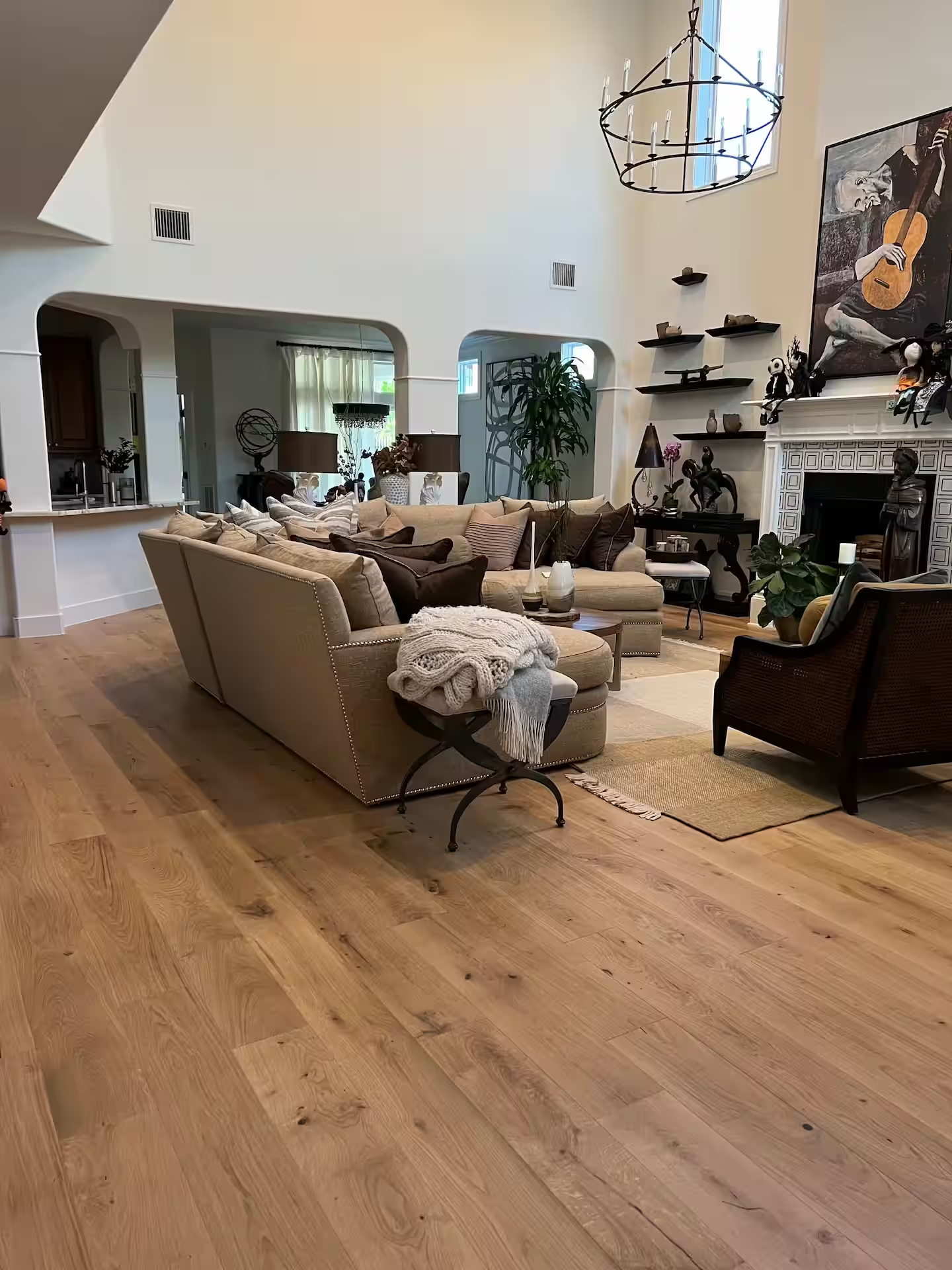
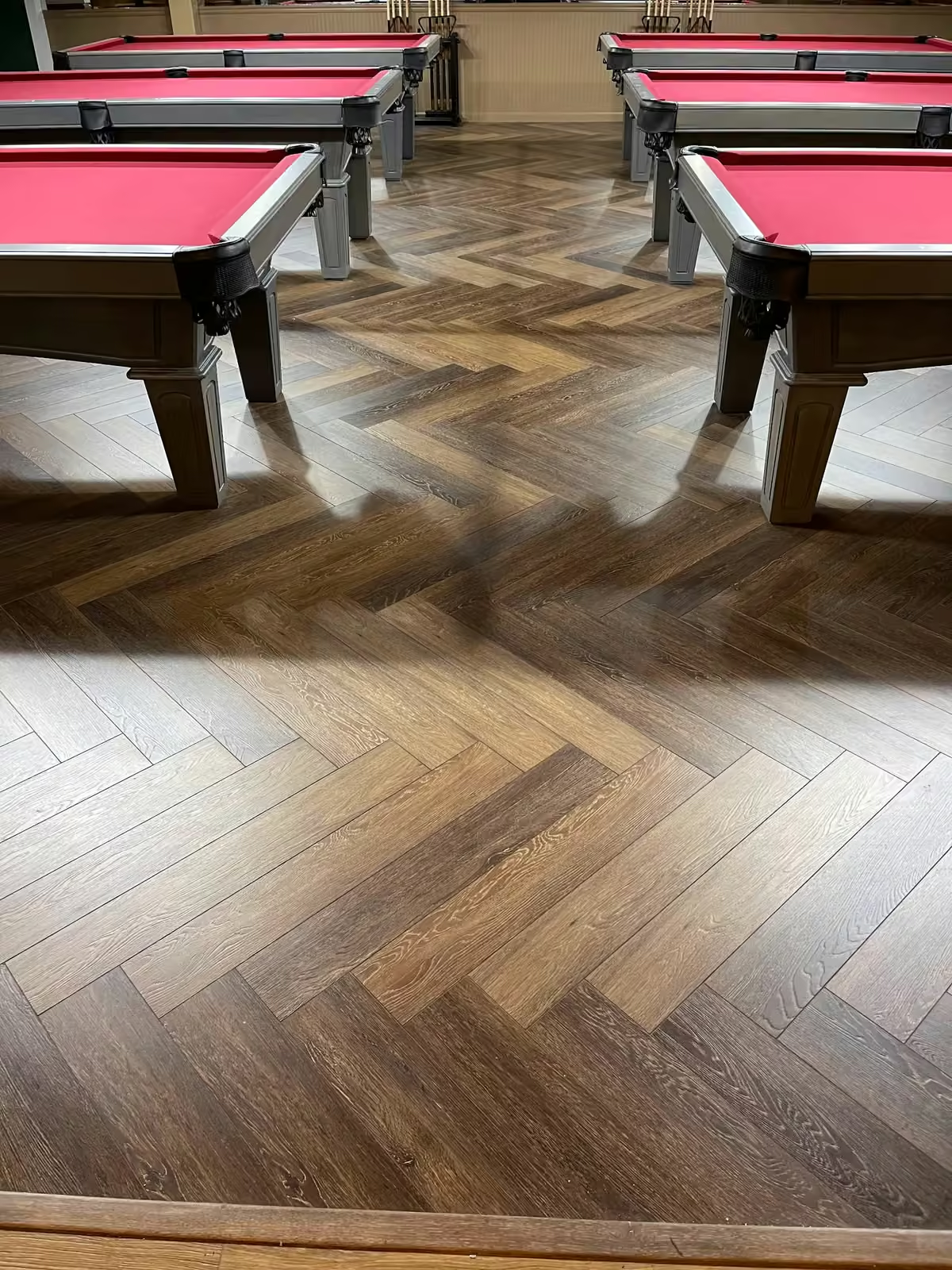
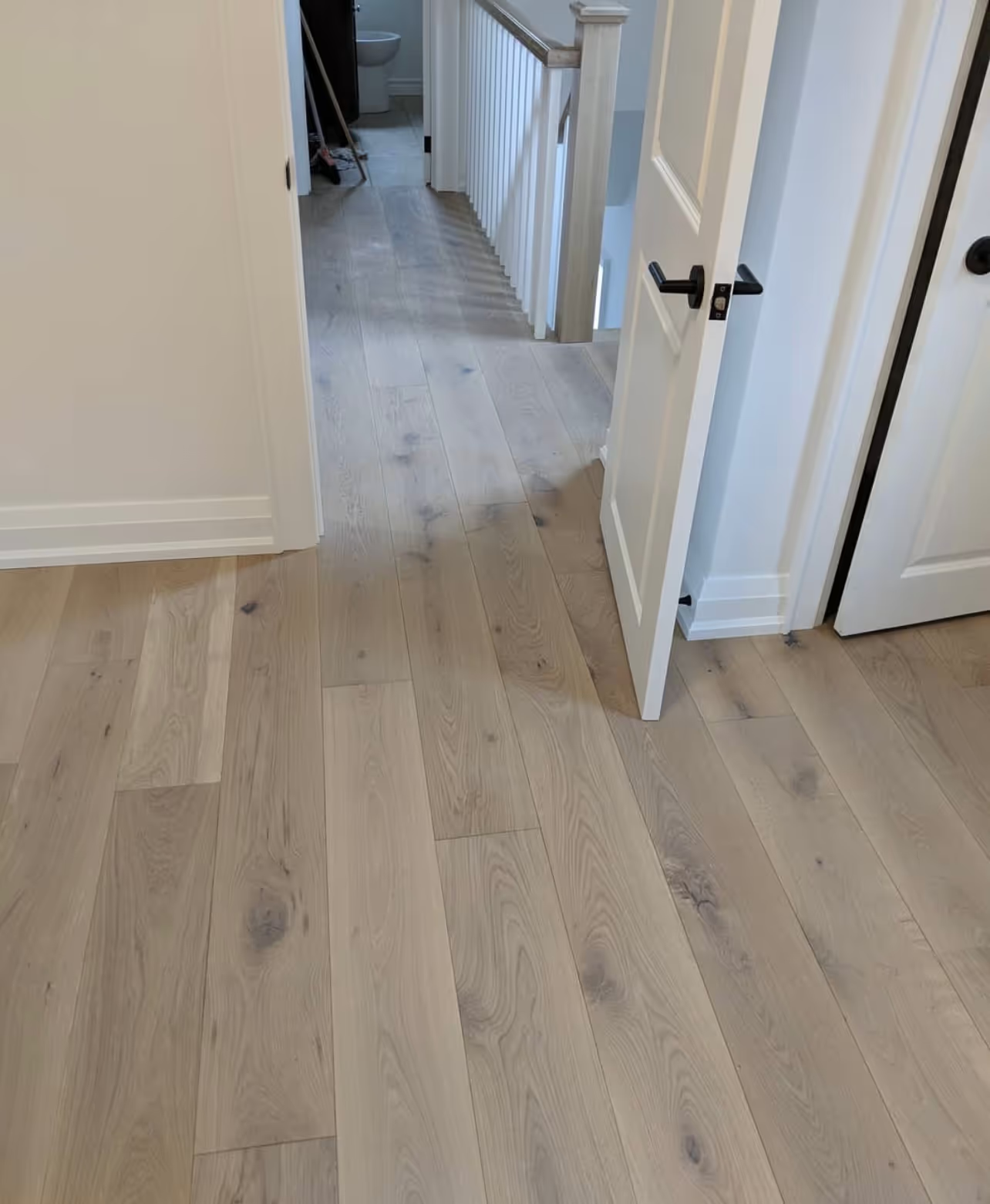
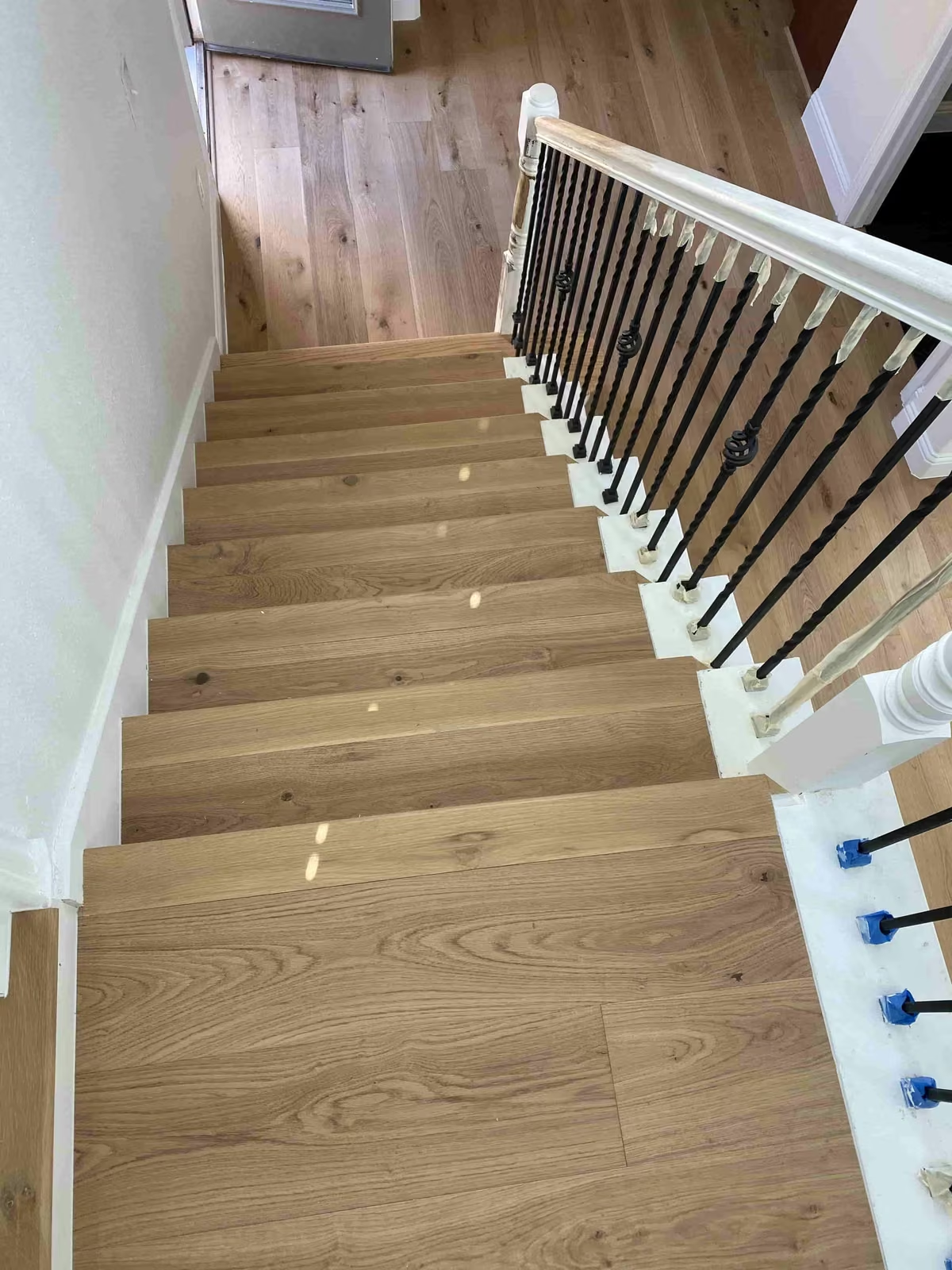
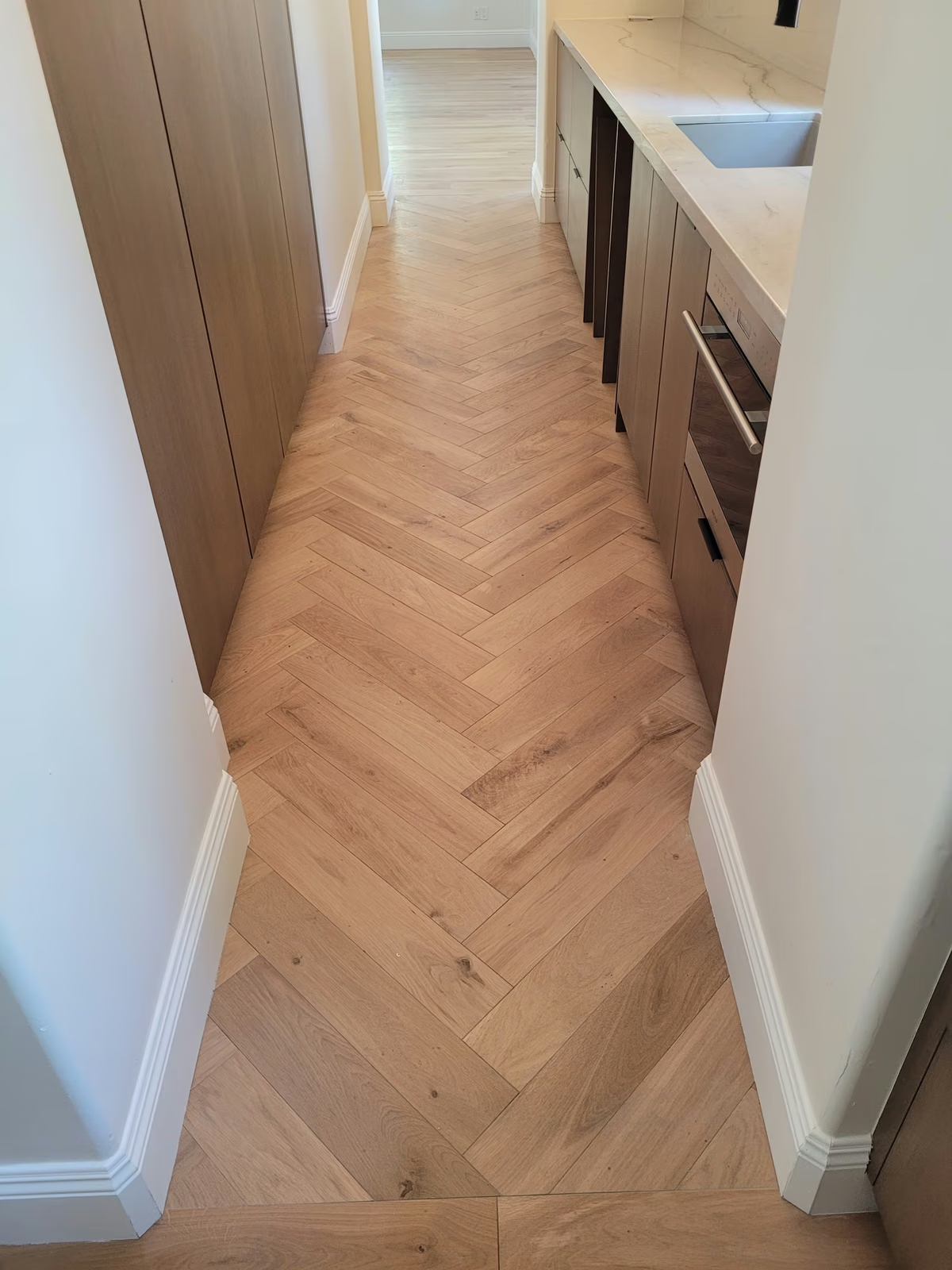
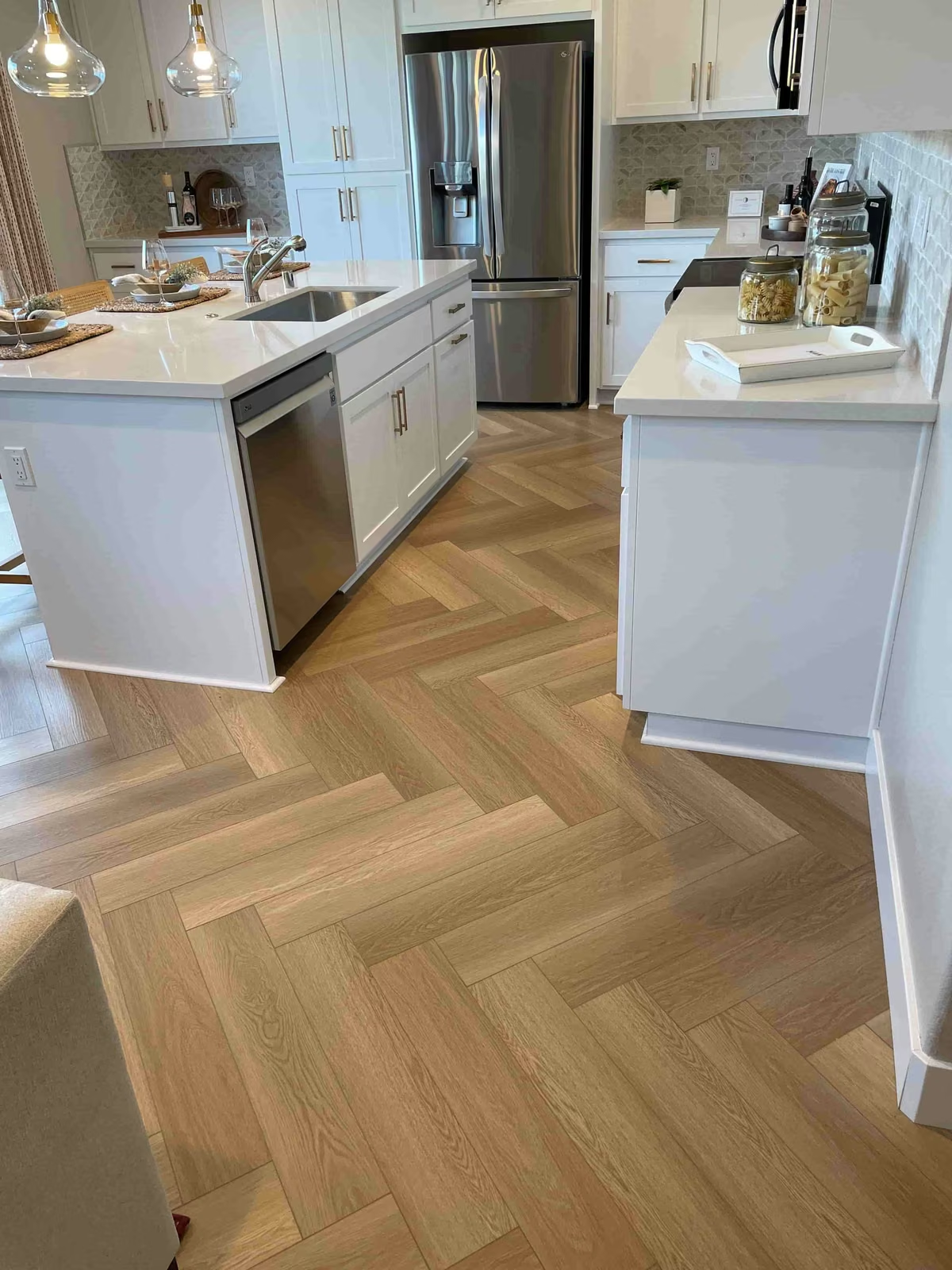
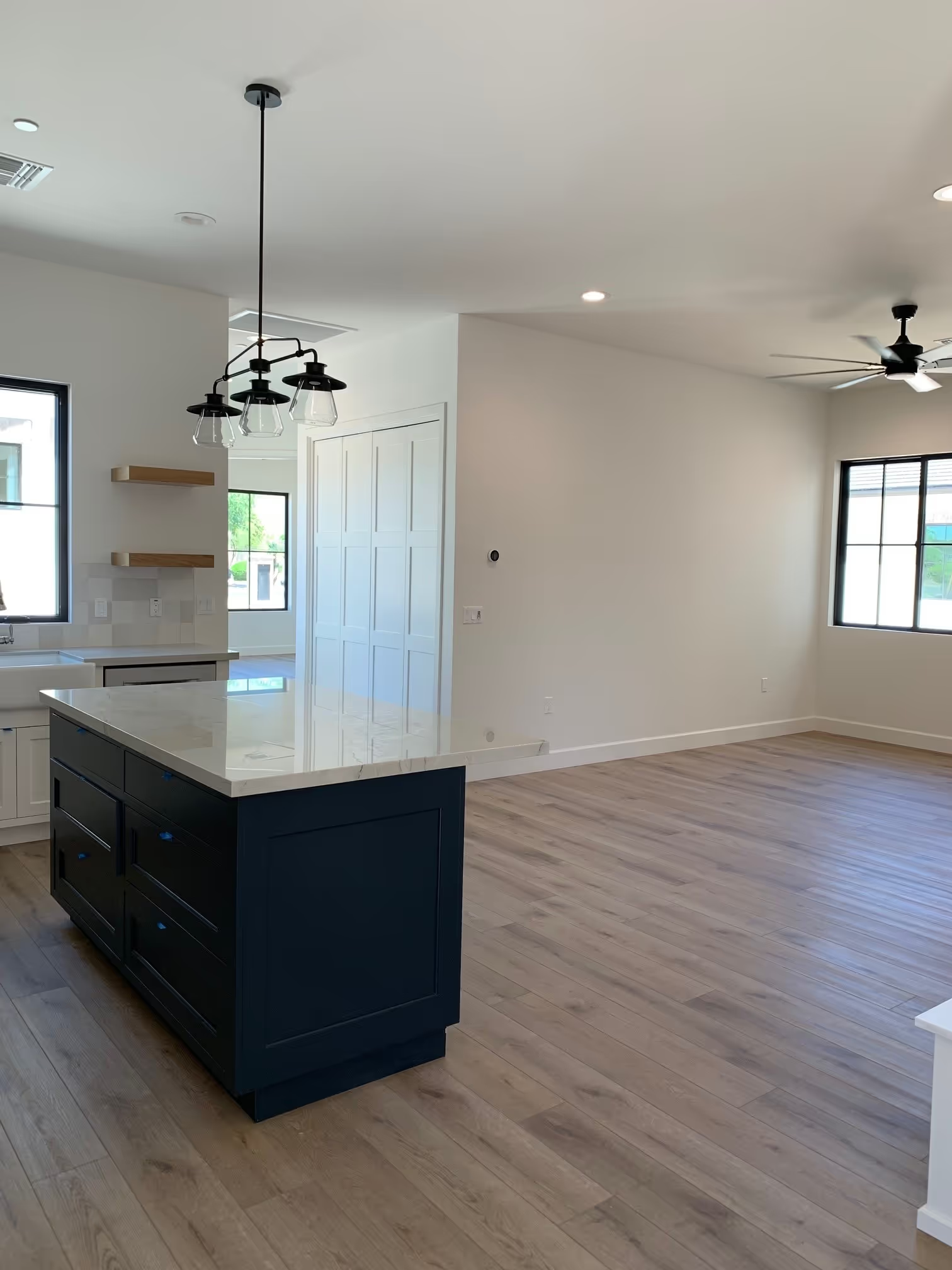
What is unfinished hardwood flooring?
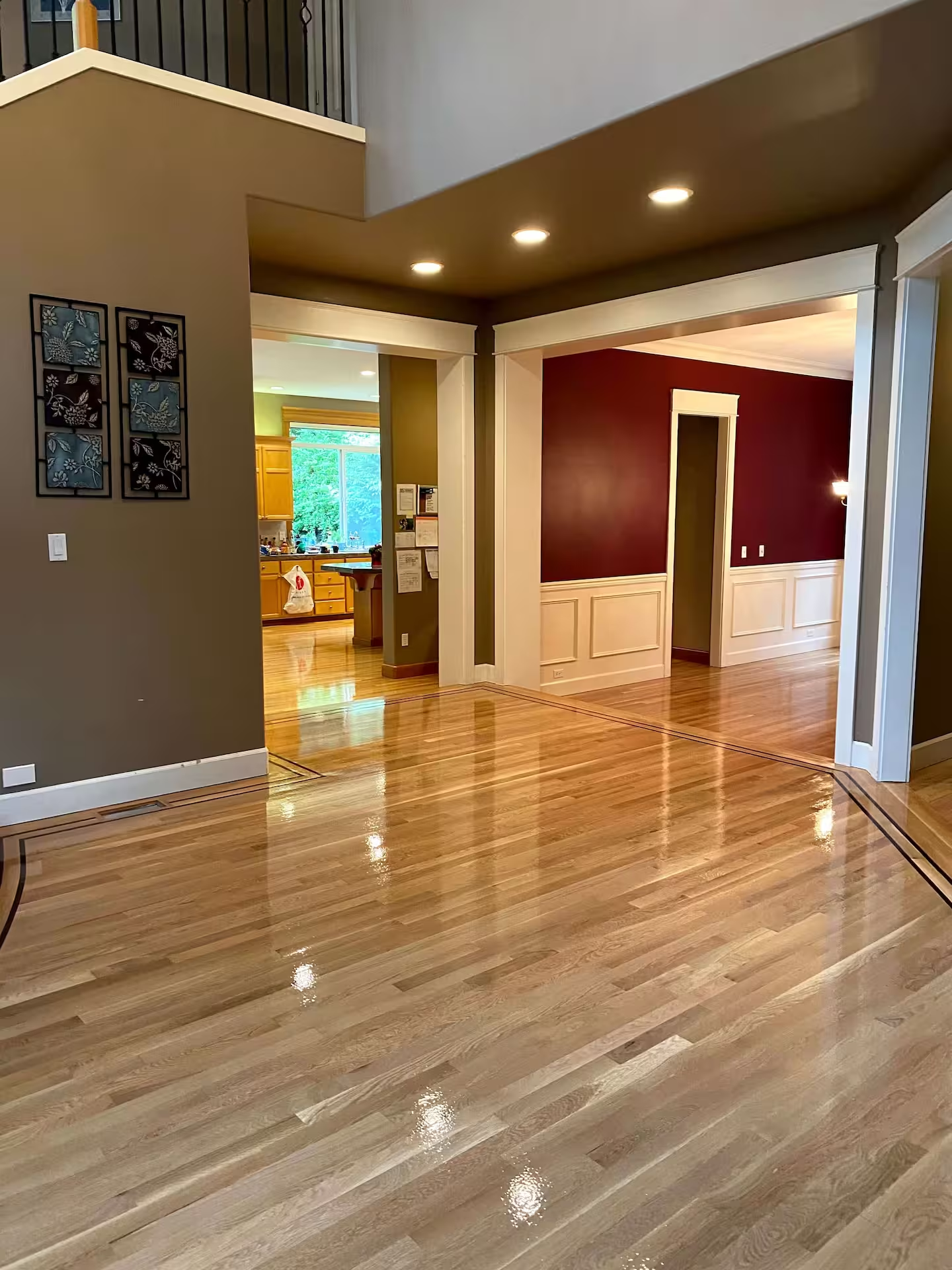
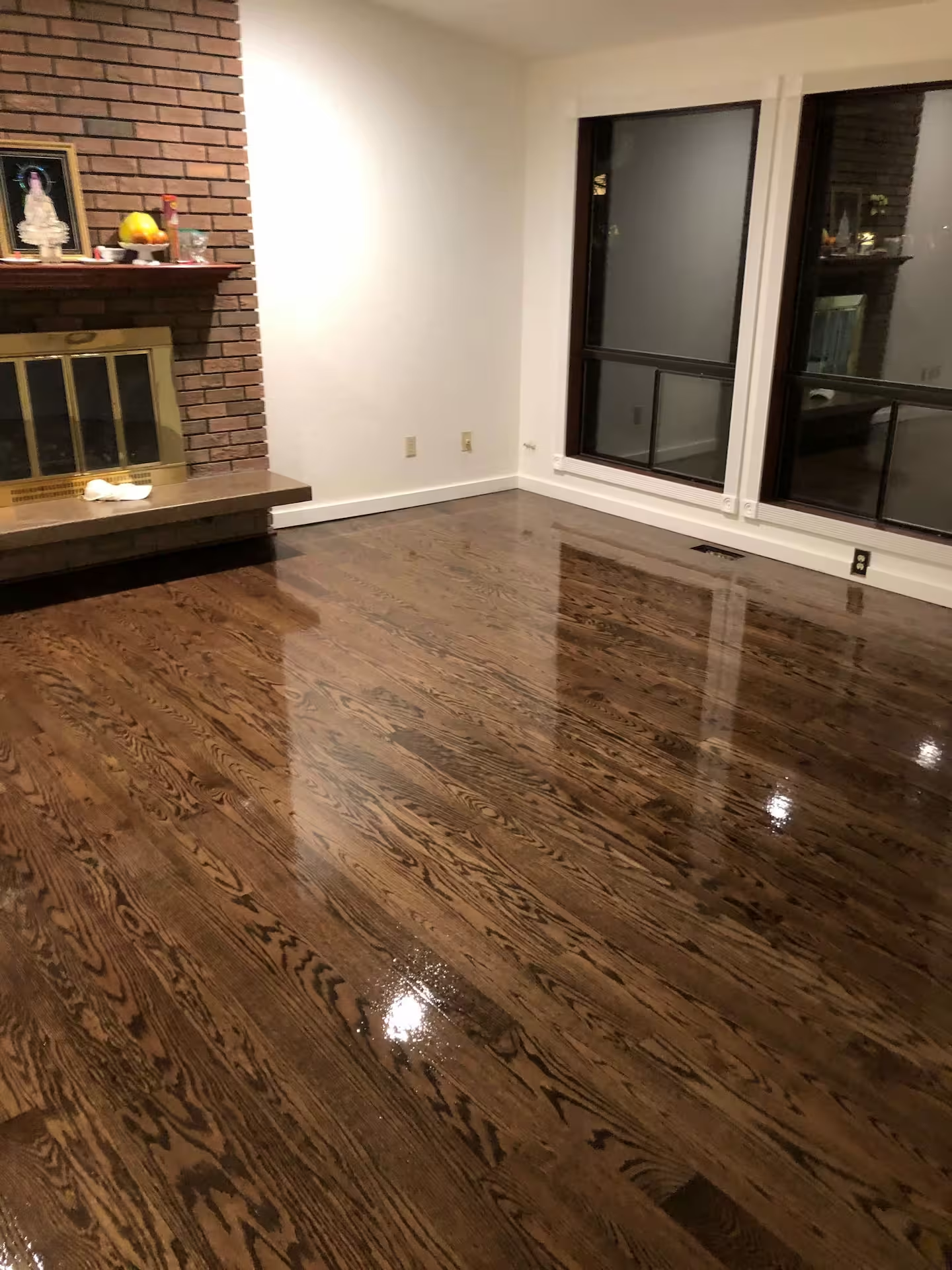
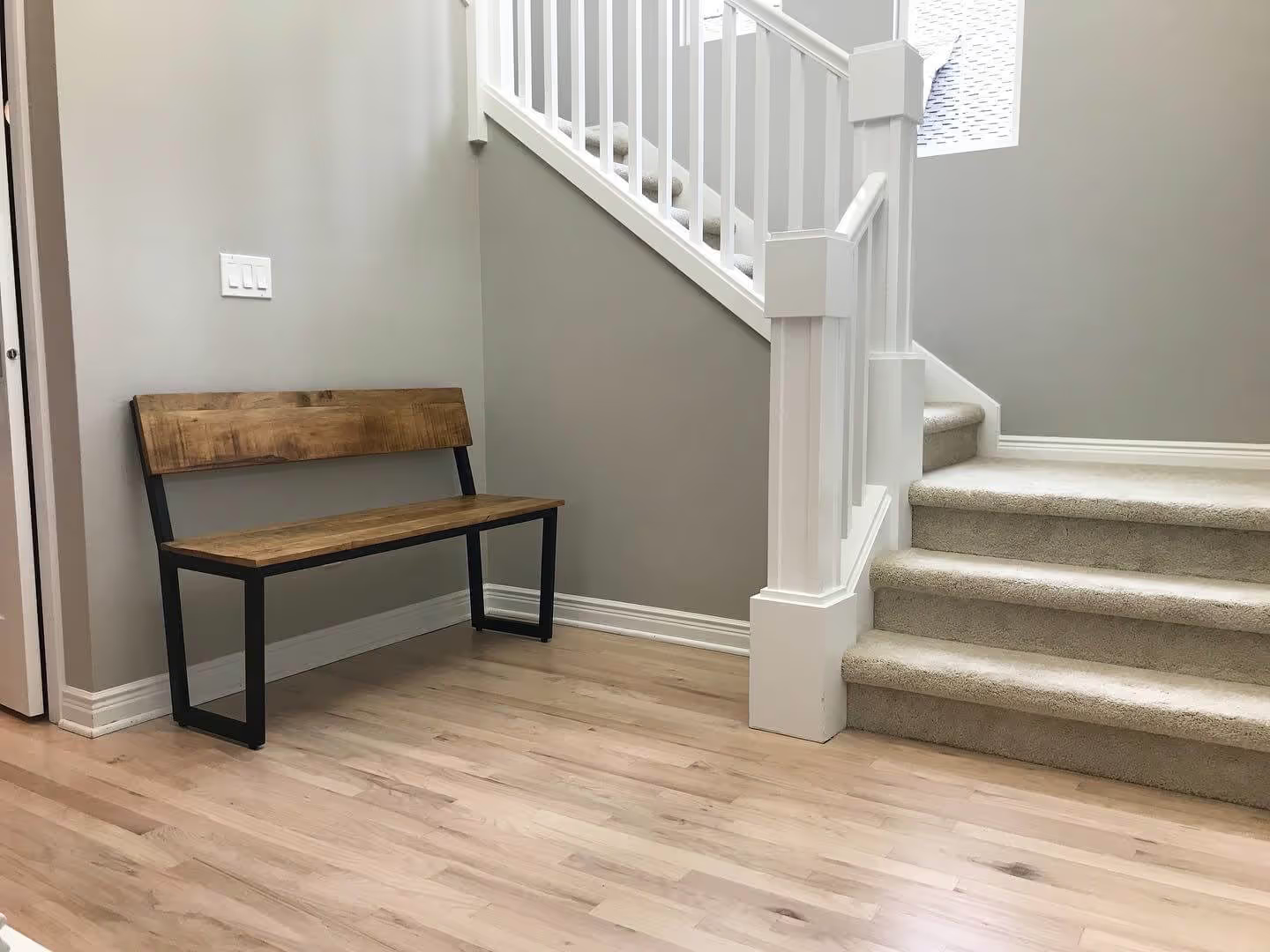
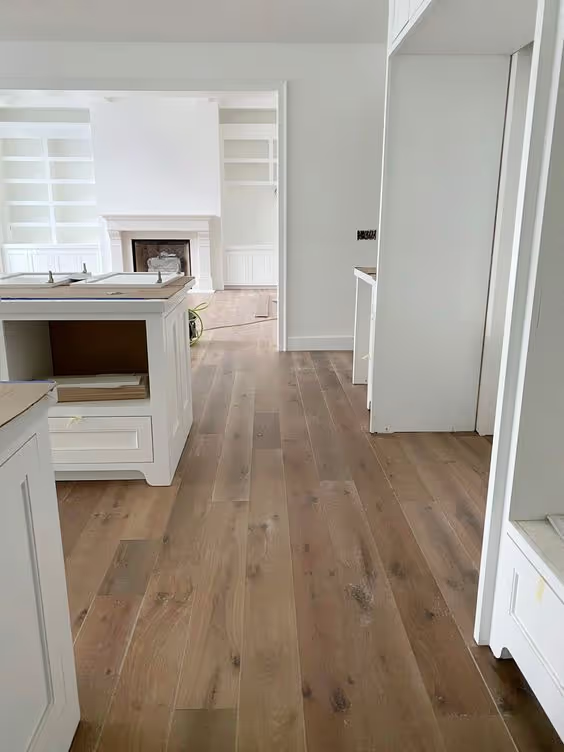
Unfinished hardwood arrives as bare wood without a factory-applied stain or protective finish. After installation, the floor is sanded, optionally stained, and coated with the selected finish. This lets you choose the color and sheen in your home. For an older Seattle or Bellevue home, matching the existing species, board dimensions, and grain before finishing can help new and old flooring blend. An invisible match is not guaranteed.
Unfinished hardwood flooring cost in Bellevue and Seattle
Our published planning range is $8–$14 per square foot installed. Treat this as a starting point, not a fixed quote for every species or project. For example, 500 square feet at that range equals $4,000–$7,000 before any work excluded from your written estimate. Confirm the material, installation, sanding, stain, finish system, and preparation included before comparing bids.
What affects your unfinished hardwood estimate| Cost component | What to compare |
|---|
| Wood materials | Species, grade, board width, thickness, cut, and waste allowance. Ask for the selected product and material cost separately. |
|---|
| Installation labor | Layout, subfloor type, fastening or adhesive requirements, and transitions. |
|---|
| Sanding and finishing | Sanding scope, natural or stained color, finish product, sheen, and number of coats. |
|---|
| Additional work | Old-floor removal and disposal, furniture moving, subfloor repairs or flattening, moisture mitigation, stairs, and trim. Confirm which items are included. |
|---|
Ask for species and grade alternatives in your estimate. A wide-plank or specialty-cut product can change the budget significantly; there is no single reliable price for all red oak, white oak, or walnut floors.
Compare unfinished hardwood species and grades
Use appearance and dent resistance together when choosing a species. The figures below are approximate Janka hardness values for solid wood, measured in pound-force (lbf). They do not rate finish scratch resistance or the performance of an engineered flooring assembly.
Common hardwood species at a glance| Species | Janka (lbf) | Appearance and selection notes |
|---|
| Northern red oak | 1,290 | Warm reddish tones and prominent grain; useful when matching an existing red oak floor. |
|---|
| White oak | 1,360 | Light brown tones and varied grain; compare plain-, rift-, and quarter-sawn options. |
|---|
| Hard maple | 1,450 | Pale tones and a finer, more subdued grain; preview the selected stain on the actual wood. |
|---|
| Hickory / pecan | 1,820 | Strong light-to-dark variation and higher dent resistance among these choices. |
|---|
| American black walnut | 1,010 | Rich brown tones; softer than oak, so expect more denting under comparable impact. |
|---|
| American black cherry | 950 | Reddish tones that darken with age; softer than oak and maple. |
|---|
OC Flooring installs unfinished oak, white oak, and maple. Ask about current availability of hickory, walnut, cherry, and specialty widths before choosing a product.
Grade describes appearance, not Janka hardness. Select oak generally has fewer character marks than Common grades, while retaining natural color variation. No. 1 Common adds more visible character; No. 2 Common has stronger variation and a rustic appearance. Grade names and allowances differ by species and supplier. Compare a representative sample and the actual grading specification.
Species and hardness reference: National Wood Flooring Association. See NWFA grade examples.
Acclimation and moisture checks before installation
Acclimation is based on moisture readings and indoor conditions, not a guaranteed number of days. Keep the home enclosed and its heating or cooling operating at normal occupied conditions. Complete wet construction work before delivery. The flooring and subfloor need moisture testing; concrete requires testing appropriate to the chosen installation and adhesive system.
Follow the flooring manufacturer's temperature, humidity, storage, and moisture requirements. NWFA guidance commonly recommends maintaining 60–80°F and 30–50% relative humidity, unless the product requires a different range. A damp subfloor or an unconditioned home can delay installation. Maintain suitable indoor conditions after installation as well.
Learn more about NWFA acclimation guidance.
From bare boards to a finished floor
- Plan and prepare. Confirm the species, grade, layout, moisture readiness, and subfloor preparation needed.
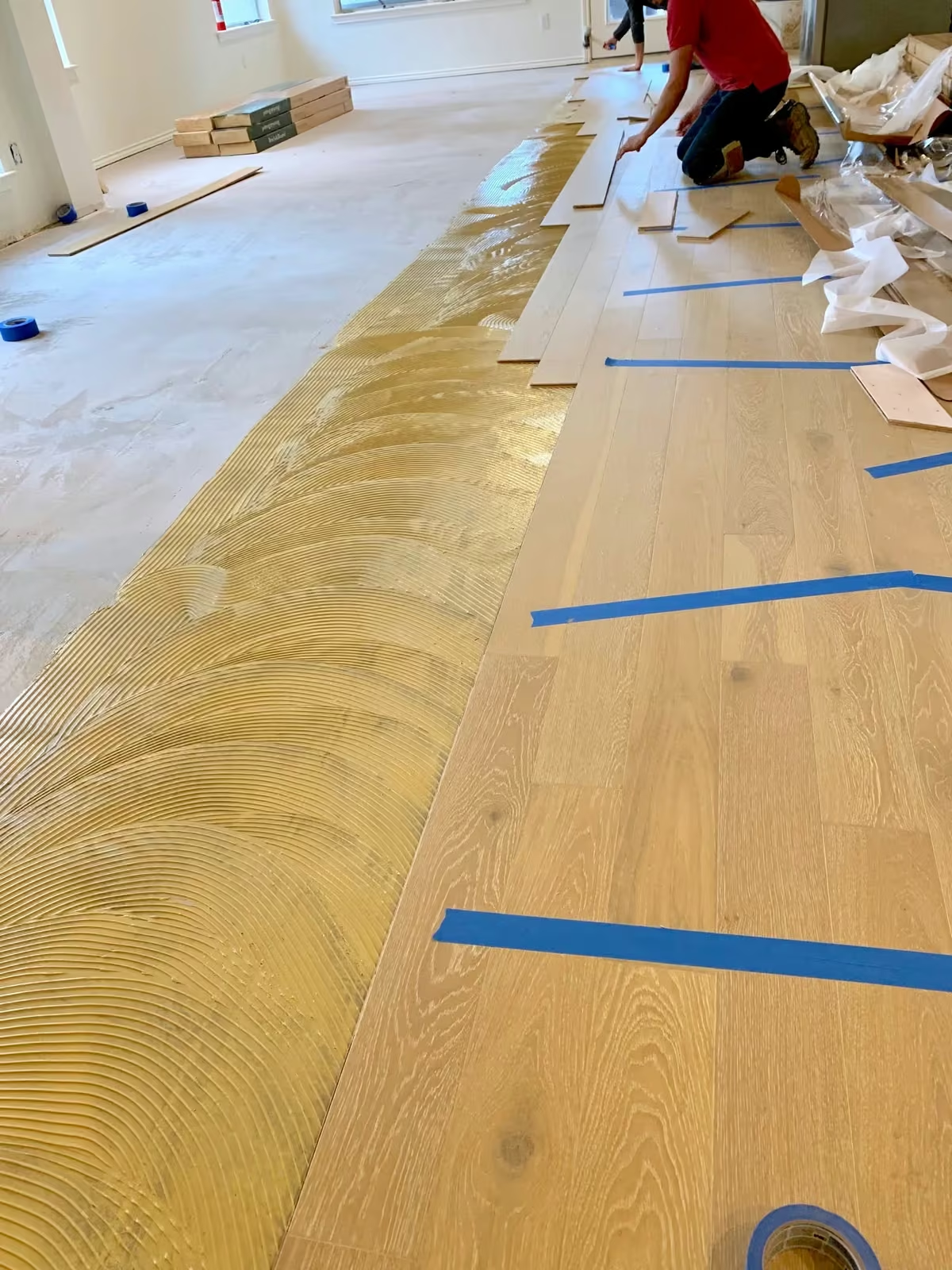
- Install the boards. Use the fastening or adhesive method and expansion provisions required by the flooring product and site conditions.
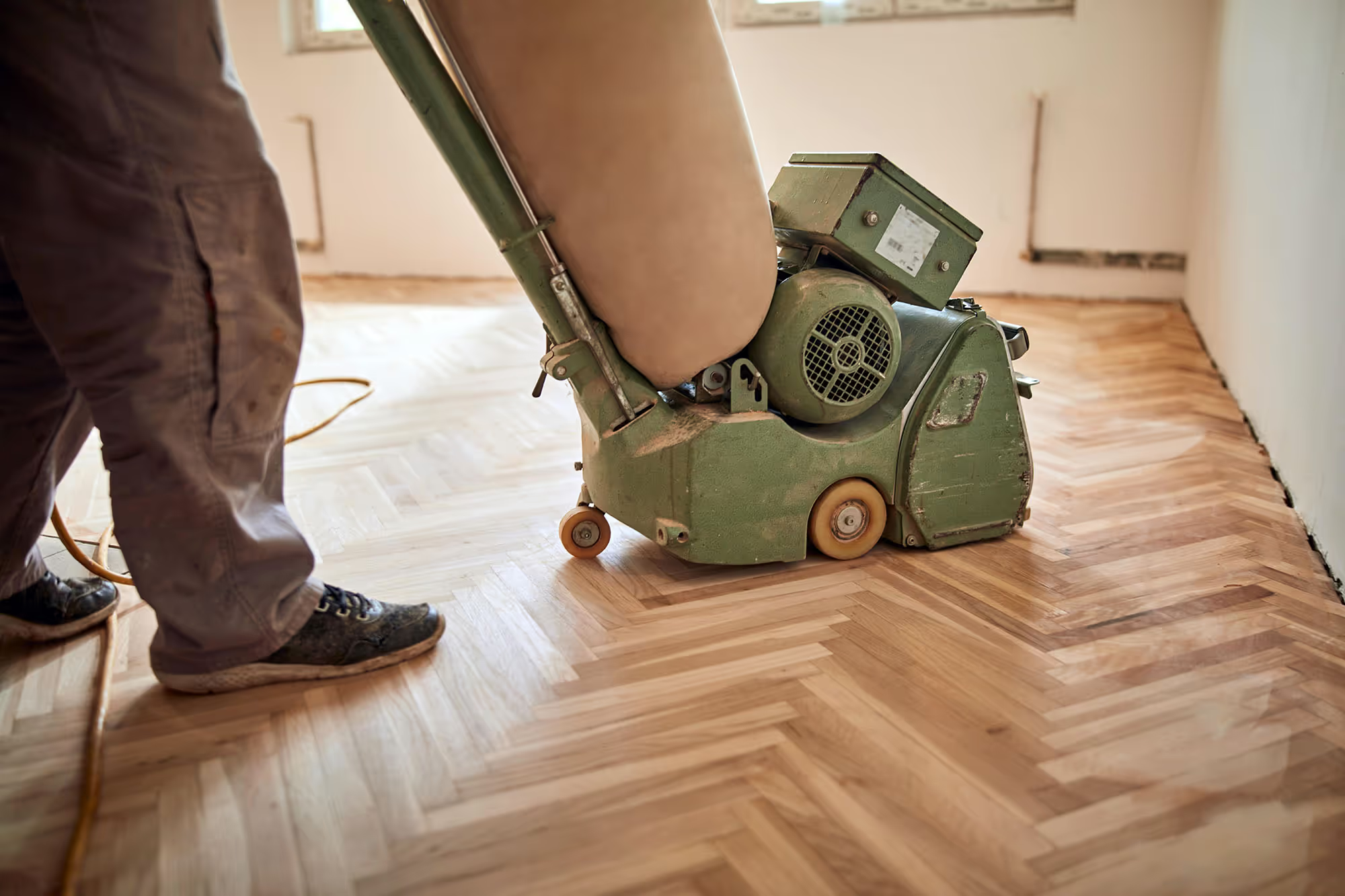
- Sand and detail. Sand through progressively finer abrasives, address edges and corners, and prepare a consistent surface. The starting grit and sequence depend on the wood, equipment, and selected finish.
- Choose the color. Review samples on the actual wood. Apply the approved stain, or keep a natural appearance with a compatible finish system.
- Apply the finish. Follow the manufacturer's requirements for sealer, coats, drying, and abrasion between coats. Water-based finishes generally preserve a clearer appearance; oil-based polyurethane typically adds an amber tone.
- Allow drying and curing. Follow product-specific instructions for foot traffic, furniture, rugs, and cleaning. Dry to the touch does not mean fully cured.
Ask which stain and finish products are included in your estimate. Product choice, room conditions, and project size determine the schedule; a single drying time does not apply to every finish.
Unfinished vs. prefinished hardwood
Which hardwood finish approach fits your project?| Consideration | Unfinished / site-finished | Prefinished / factory-finished |
|---|
| Color and edges | Color selected on site; square-edge boards can be sanded flush. | Choose from factory colors, textures, and edge profiles; many products have bevels. |
|---|
| Time and disruption | Adds on-site sanding, coating, drying, and curing time. | Avoids on-site finish application; follow installation and adhesive use restrictions. |
|---|
| Budget | Compare wood plus installation and separate finishing work. | Compare the finished product plus installation; neither option is always less expensive. |
|---|
| Wear and maintenance | Performance depends on species, finish, and care; compatible floors may be recoated. | Factory coatings can be very durable; recoating methods depend on coating compatibility. |
|---|
| Future refinishing | Depends on remaining sandable wood and floor condition. | Depends on construction, remaining wear layer, and surface details—not simply the factory finish. |
|---|
For a remodel joining new flooring to an older room, site finishing offers more control over the final color across both areas. For a project where reducing disruption is the priority, prefinished flooring may be a better fit.
Finish reference: NWFA wood floor finishes.