1,000+ Floors Installed & Restored Across Washington
Searching for floor repair near me in Bellevue? We repair hardwood, engineered flooring, laminate, and LVP with the right method for each floor. Call (425) 595-1079 for a free in-home estimate anywhere in Bellevue.




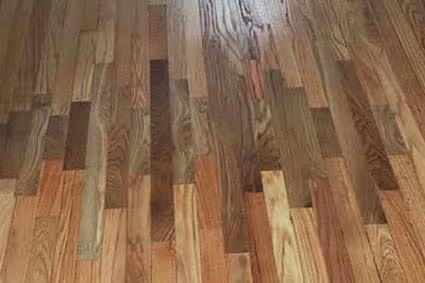
What a bad repair looks like. Wrong species, wrong grain, wrong color — patched by someone who didn't match the wood. You see it from the doorway, permanently.
Bellevue is a postwar city, so we rarely meet the old-growth fir that fills Seattle's pre-war blocks. What we meet is red oak strip, oak parquet, builder-grade engineered and LVP over concrete — and each one is repaired a completely different way.
A large share of Bellevue's single-family stock sits on 2¼-inch red oak strip or oak parquet laid between the mid-fifties and the late seventies. Cracked, split, cupped, gouged or stained boards come out one at a time and go back in matched for species, width, grain and thickness. Deep dents and dog-claw scoring get filled and blended, and the perimeter band of tack-strip nail holes that appears the day old carpet leaves is filled and sanded flat with the rest of the field.
Bellevue built hard through the nineties and two-thousands, and most of those floors are engineered — a real oak veneer over a plywood core, often thinner than the edge of a credit card. Sanding is off the table, so damaged planks are lifted and replaced rather than refinished. The work is in the sourcing: we identify the product, hunt matching stock, and when a line has been discontinued we say so before you spend money.
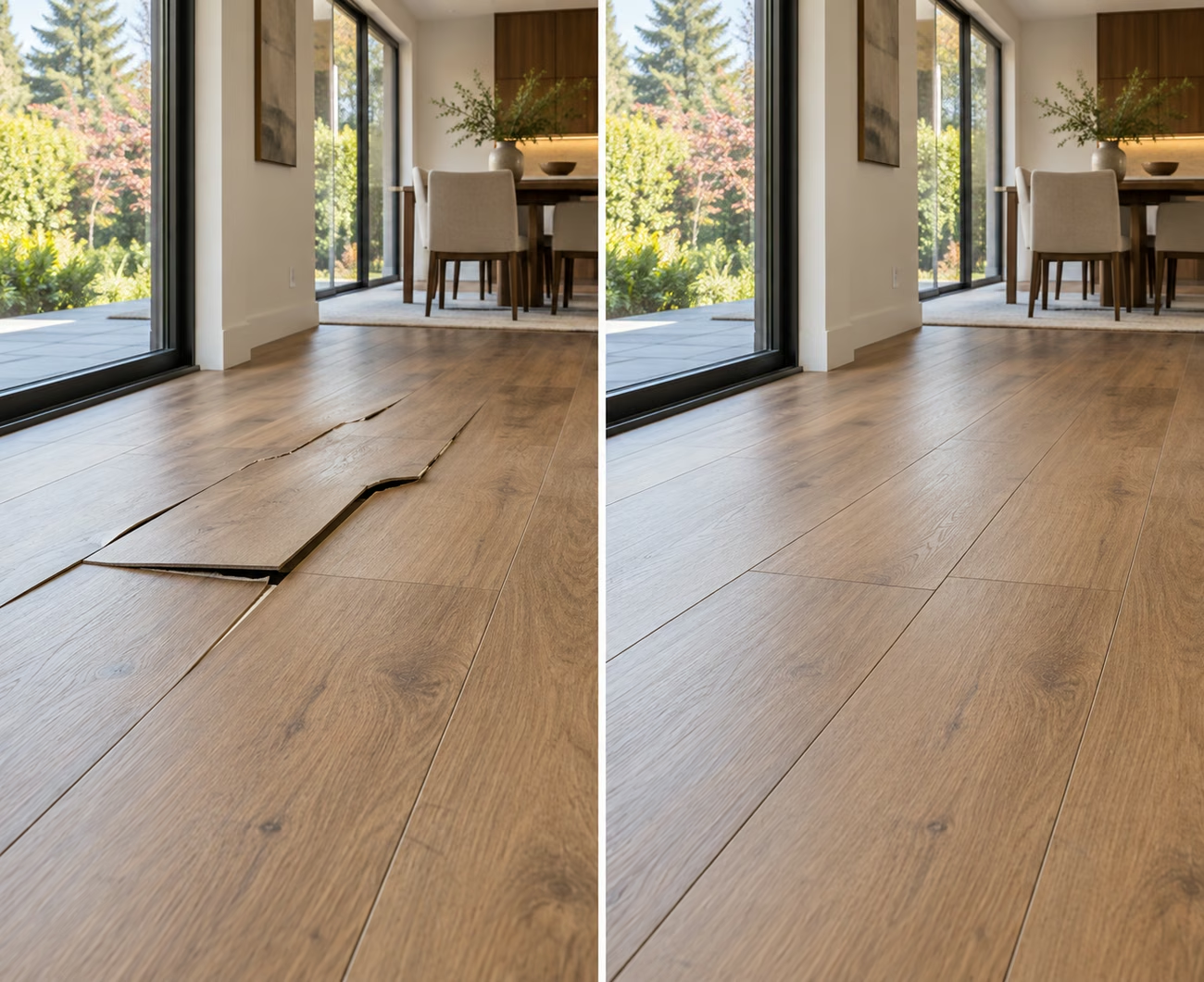
Lifting planks, cracked ends, curled corners and the seam that opens along a sunny slider. Vinyl plank always moves for a reason — trapped heat, a floating floor pinned by a heavy island or by trim shot through it, or a low spot underneath — so we find the cause first, level that spot when leveling is the answer, then swap the damaged planks and close the seams back up.
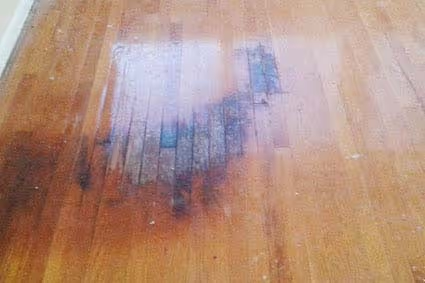
The black ring under a plant pot, the dark patch where a dog slept, swollen boards in front of a fridge line that wept quietly for a year. Cleaners never touch these because the stain sits in the wood rather than on it. We probe the boards and take a moisture reading underneath, dry the area out if it reads wet, then cut the ruined boards free, set matching wood in, and blend with tinted filler and stain mixed against your own floor.
Laminate carries a printed wear layer that cannot be sanded, so we unlock the run, replace only the swollen or chipped planks, and lock the floor back down. The same visit usually handles transitions: doorway strips that have lifted, cracked or never matched, plus the joints where hardwood meets tile, carpet or LVP. Each one is recut or replaced so it sits flat and stops catching feet.
Pet urine and water rings soak through the finish into the wood itself, which is why cleaning never removes them. This is the actual sequence we run, photographed on our own jobs.
 1
1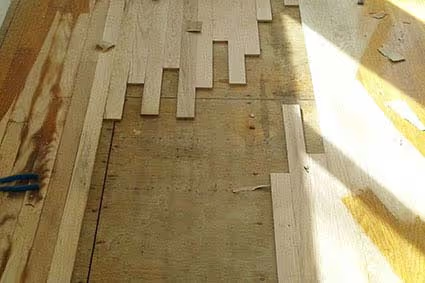 2
2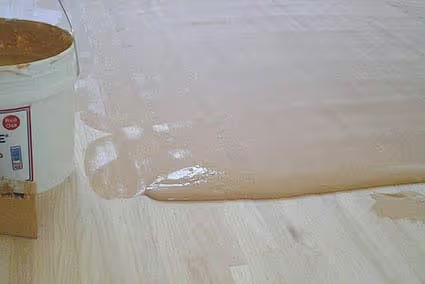 3
3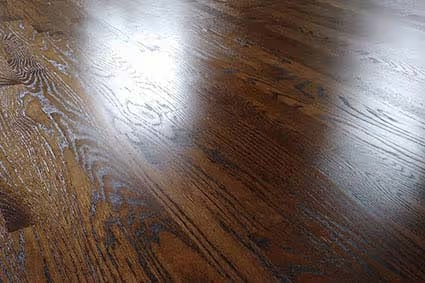 4
4Most pet-stain and water-damage repairs are finished in 1–2 days.
Two different jobs at two very different prices. Here is how to tell which one your floor actually needs — before anyone quotes you.
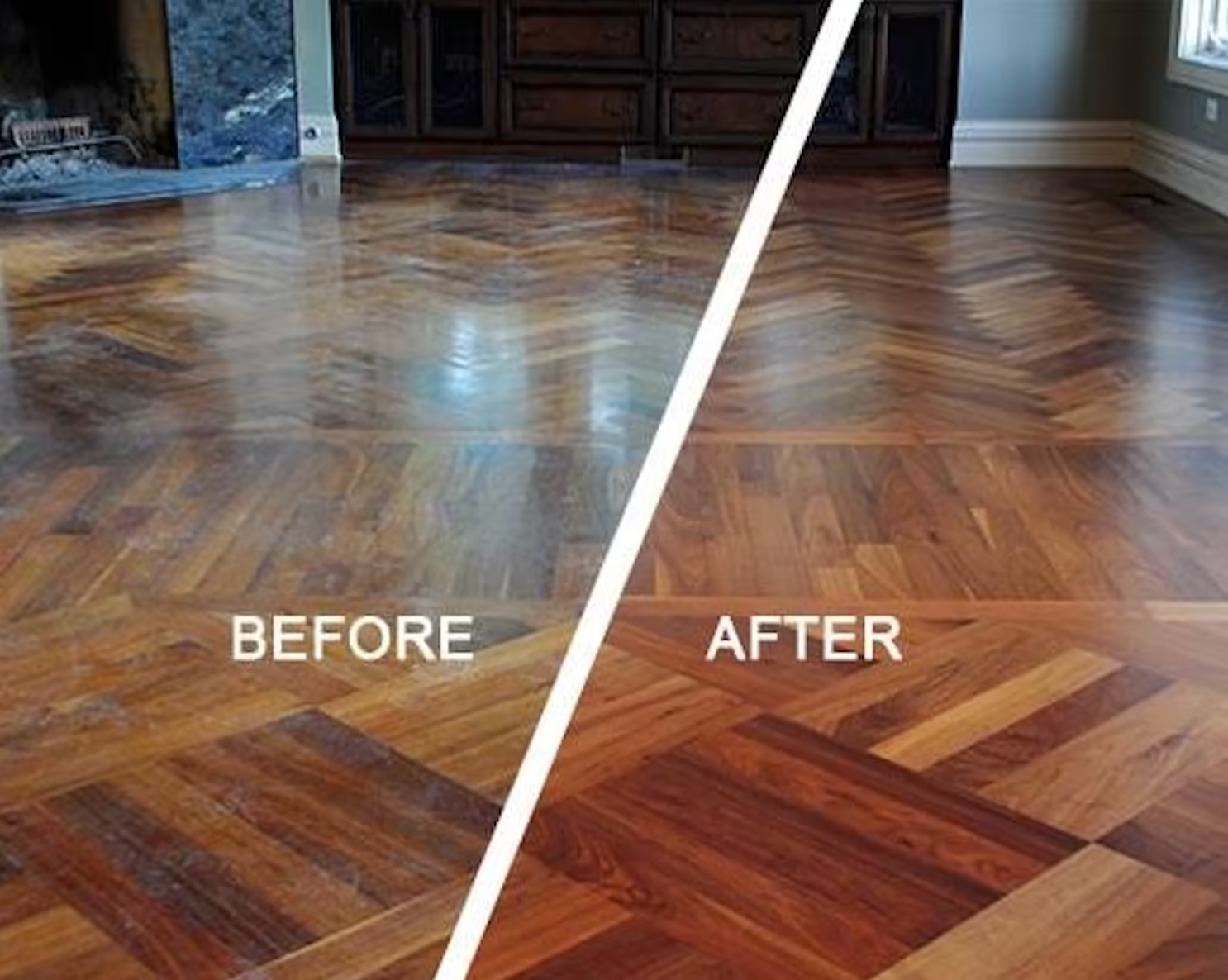
The same floor, split down the middle. Left: the finish is cloudy and worn through in the traffic path — no amount of patching fixes that. Right: sanded back and refinished.
Typically $200–$1,000 · most finished in 1–2 days
Board replacement is done first, so the whole floor is finished together
The water drop. Put a drop of water on a worn spot. If it beads, your finish is still doing its job — a spot repair is fine. If it soaks in within a minute, the finish is gone there and the floor is due for a refinish.
The rug test. Lift an area rug near a west-facing window. If the wood underneath is noticeably darker than the wood around it, that is sun fade rather than damage — and fade does not patch out board by board.
Still not sure? Send us a few photos of the floor and we will tell you which one you need, even when it is the cheaper answer.
Bellevue is a postwar city, and that one fact decides most of what we repair here. Only about two percent of the housing predates 1950. Roughly eleven percent went up during the fifties and another thirty-nine percent during the building boom of the sixties and seventies, according to the city's own housing figures. So we almost never meet the old-growth vertical-grain fir that fills Seattle's pre-war blocks. What we meet instead is red oak strip and oak parquet, the standard main-floor material of that era, and it usually arrives with a story.
R.H. Connor's Lake Hills project put roughly 4,000 ranch and split-level houses on the ground between 1955 and 1965, most of them near a thousand square feet, and a great many of those homes — along with their neighbours in Newport Hills, Crossroads and Woodridge — had wall-to-wall carpet laid straight over the oak in the years that followed. When that carpet finally comes up, the wood underneath is usually sound and always marked: a band of nail and staple holes eight to twelve inches in from every wall, and a hard color line where the carpet edge kept the sun off.
The hillside neighborhoods add something Seattle homes see far less of. Somerset was built out across twenty-two divisions from the early sixties into the late seventies, more than twelve hundred houses stepped into the slope and turned west for the Lake Washington view, and the same logic shaped the view lots in Enatai, Newport and West Bellevue. Big west-facing glass is a pleasure to live behind and rough on a floor.
Oak bleaches in a band four or five feet deep in front of those windows while the wood under the area rug holds its original color, and setting a fresh board into the bleached zone introduces a third shade rather than fixing anything. Fade is not damage in the ordinary sense and it does not patch out. We either even the room up with a sand and refinish, or replace the damaged boards first and then finish the whole run together so it reads as one floor.
Water arrives in Bellevue by geography. Newport Shores, laid out in the early sixties around three man-made canals with 343 houses and moorage off the back yards, sends wet feet and wet gear through sliding doors twelve months a year. The Lake Hills greenbelt — 172 acres of woods and wetland linking Phantom Lake to Larsen Lake and the blueberry fields — keeps the ground damp under a good number of nearby houses. That seasonal swing is why old oak here opens hairline gaps by late August and closes them again by December, and it is why we take a moisture reading beneath the boards before quoting anything. Covering wood that still reads wet is how a repair fails the following winter.
Then there is the half of the city that barely existed in 1980. Lakemont and Cougar Mountain filled in through the nineties and early two-thousands with larger houses on builder-grade engineered oak. Downtown and BelRed went vertical instead, and about twenty-two percent of Bellevue's housing sits in buildings of twenty units or more. Those floors are engineered wood or LVP over concrete.
They do not rot, but they lift, gap at the seams and telegraph every flat spot in the slab, and their wear layers are too thin to sand — so the answer is nearly always a plank swap, which means matching a manufactured product rather than a species. Elevator bookings, dock hours and posted noise windows shape the schedule as much as the floor does. Add that roughly forty-seven percent of Bellevue households rent and that about fifty-five percent had moved in since 2010, and you get the last big slice of our work here: turnover repairs between tenants, finished against a move-in date.
Almost always, and it is one of the most common calls we take in Bellevue. Sixty or seventy years under carpet leaves a predictable set of marks: a band of nail and staple holes eight to twelve inches in from each wall, patches of old adhesive, and a color line where the carpet edge shaded the wood. None of that is structural. Holes are packed with tinted filler and sanded flat, boards that are missing or chewed up at doorways are replaced with matching oak, and the room is finished so the perimeter disappears into the field. If your oak has already been taken down thin by an earlier refinish, we will tell you that at the visit.
Most repairs land between $200 and $1,000. The number moves with how many boards have to come out, whether your material is still on the shelf or has to be tracked down, and whether the repaired area needs sanding and finishing to blend. Engineered and laminate can cost more than solid oak for the same square footage, because matching a discontinued product takes hours we have to account for. Water damage that soaked in adds to it as well, since the area has to dry properly before anything new goes down.
You can, and it usually looks worse afterward. Sun fade is a color change that runs through the finish and into the top of the wood, and it happens gradually across a whole zone rather than to individual boards. Drop new oak into the bleached area and you have added a third color to the room. In Somerset, Enatai and the other view neighborhoods the honest answer is nearly always to sand and refinish that room, which removes the fade and evens the color out. If boards in the faded zone are also damaged, we replace those first and then finish the room as a single piece.
Yes, and we are in these buildings regularly. On the floor side, lifting near a slider is usually heat and sun expansion working against a floating floor that has nowhere left to move, so we find where it is pinned, relieve it, replace the damaged planks and reseal the seams. On the building side, we are licensed and insured and can provide whatever documentation your HOA or building manager asks for, and we schedule around elevator reservations, loading-dock hours and posted quiet windows. A four-plank repair like that is normally one visit.
Usually not. Engineered flooring is a veneer of real wood over a plywood or composite core, and on much of the builder-grade product installed around Bellevue in the nineties and two-thousands that veneer runs a couple of millimetres or less — sometimes about the thickness of a credit card. Once a scratch is through it, sanding only takes away more of what little remains. Replacing the affected planks is the fix. We identify the product, look for matching stock, and if the line has been discontinued we will say so before you commit.
No. Laminate is a printed wear layer over a fibreboard core, so it cannot be sanded — but it does not have to be replaced wholesale either. Swollen and chipped planks come out and new ones go in. If yours is a click-lock floating floor, we unlock the run back to the damage, swap the bad planks and lock it up again. Two things decide how smoothly it goes: whether the leak has actually stopped, and whether the decor is still in production. If there are leftover planks from the original install sitting in a garage or crawlspace, dig them out.
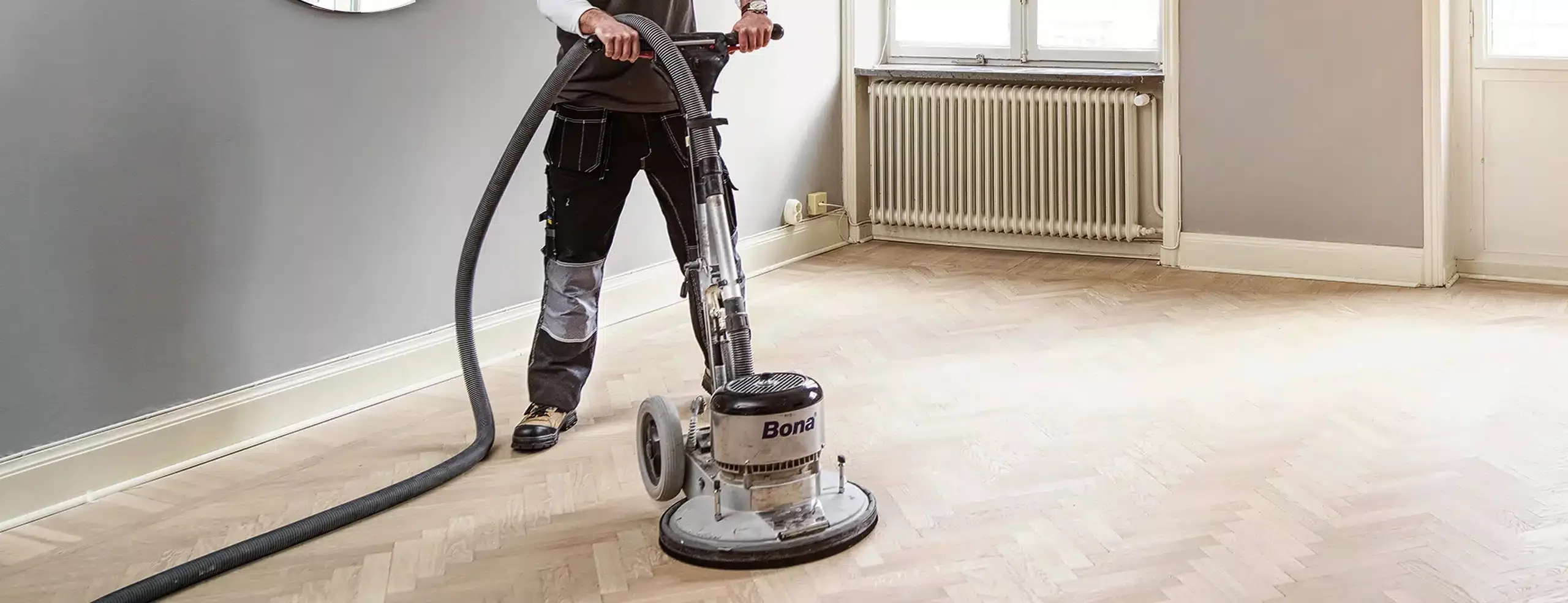
Solid wood keeps a reserve. A solid oak board carries enough thickness to sand a problem out completely — which is why deep damage in a mid-century Bellevue floor is often repaired in place instead of replaced.
Solid hardwood is the one floor with margin built in. Where the builder-grade engineered plank in a Lakemont house carries a veneer thinner than a credit card, the 2¼-inch red oak strip in a Lake Hills rambler or a Woodridge split-level can give up a full pass of sanding and still have decades left. So before we quote a board swap, we ask whether the damage actually goes deeper than the finish — because a surprising amount of it does not.
When a floor develops a soft spot or a gap, the boards you see are rarely the ones at fault. The problem lives underneath — a fastener that has let go of its joist, a subfloor panel rubbing its neighbor, or framing that has dried and shrunk a hair since the house went up. About half of Bellevue's housing went up in the fifties, sixties and seventies, which is exactly the age when those fasteners start letting go. We chase the problem to its source instead of patching the symptom.
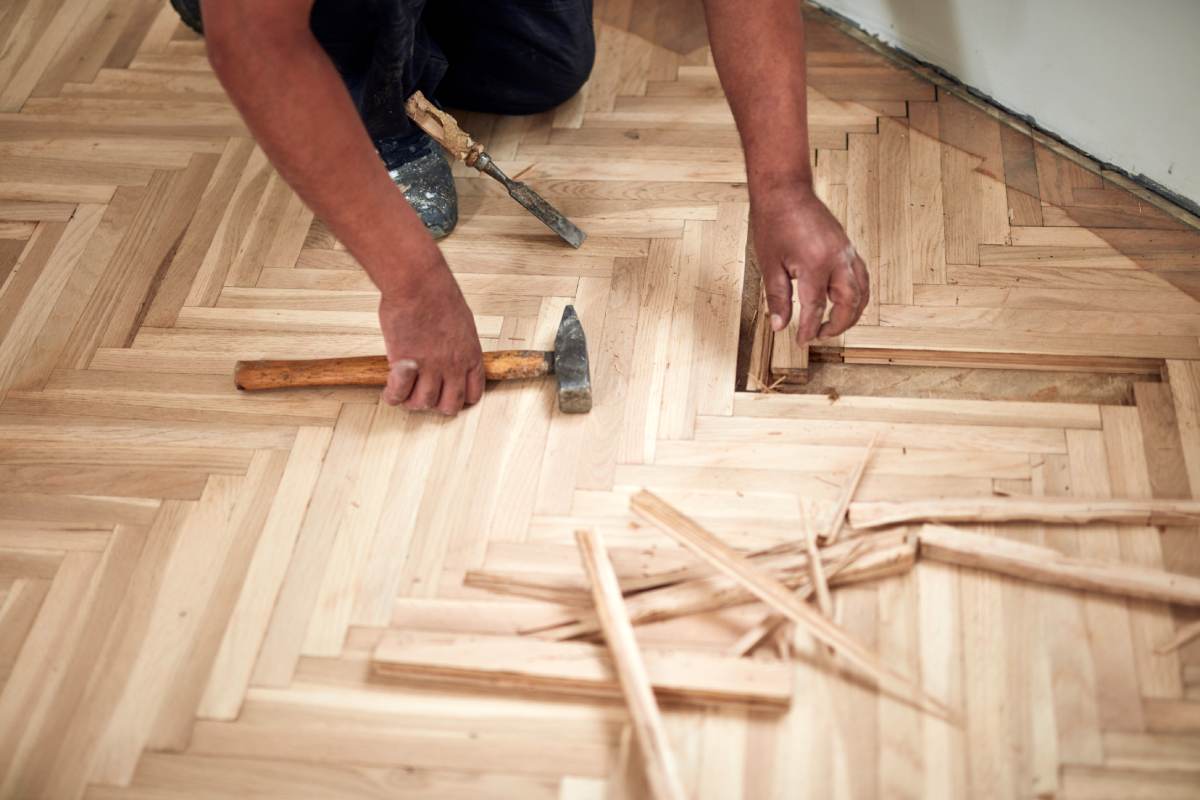
The fix starts under the boards. Loose pieces come up, the substrate gets fastened flat, and only then does the surface go back together.
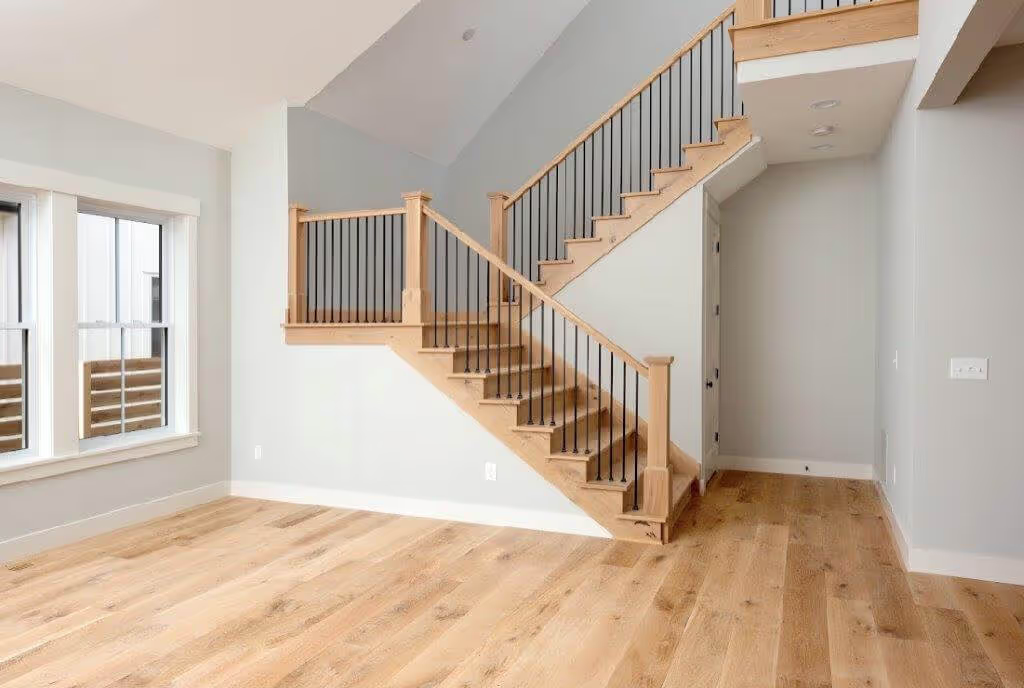
Stairs take the traffic of a hallway on a tenth of the wood. Treads, nosings and thresholds wear out years before the rooms around them — and they can be repaired one piece at a time.
Bellevue built into its hillsides, so its stairs work harder than most. In a Somerset house stepped into the slope, or a Lake Hills split-level, every school run and every trip up from the daylight level lands on the same few square feet of wood, and at Newport Shores wet feet come in off the canal twelve months a year. The nosing on each tread takes the full strike of every step. These are the repairs people put up with for years because they assume the whole staircase has to come apart. It does not.
Photograph the damage on your phone — a close-up of the worst spot, one from a few feet back, and one of the whole room. One of our estimators looks at every photo personally and emails you a written price the same business day. No visit, no sales call, no obligation.