


A full sand and refinish is the only genuine fix for faded, sun-damaged hardwood — the color change lives in the wood itself, so no cleaner, polish, or fresh topcoat can reach it. The encouraging part: most UV damage is shallow, and the roughly 1 mm a professional sanding removes takes the floor back to even, original-color wood. In Edmonds homes — where west light off the Sound does the damage — that means fade lines, rug ghosts, and yellowed floors are almost always fully restorable. Here’s how to tell what you have and what actually fixes it.
We already wrote about how sunlight wrecks hardwood — the mechanism, the prevention, the physics are in our sun-damaged floors guide. This post is the other half of that conversation, the one homeowners actually call about: the damage is done, there’s a rug-shaped rectangle burned into the living room, and the question is what — if anything — gets the floor back. The short answer is that restoration is not only possible but routine, and it works because of a lucky accident of physics: UV is shallow. It changes the top fraction of a millimeter of wood, and we own machines that remove a full millimeter.
The longer answer involves a diagnosis step most people skip, because “faded” turns out to mean three different problems with three different fixes — and one of them doesn’t need a full refinish at all.
of wood removed by a full professional sanding — deeper than most UV color change penetrates. This is the entire reason sun damage is fixable rather than permanent.
bottled products that reverse fade. Polishes and “restorers” add gloss over the discoloration; a recoat seals it in. Anything that promises otherwise is selling shine, not color.
per square foot for the actual fix — a full sand and natural refinish with a non-yellowing waterborne finish, so the restored color is the color you keep.
First, Diagnose: Which “Faded” Do You Have?
Stand at the worst spot and figure out which of these three you’re looking at, because they’re different problems. True UV fade — the wood itself has lightened (most domestic species) and it shows as sharp lines at rug edges and soft gradients near windows; move a rug and there’s a crisp portrait of it in the floor.
Ambered finish — the floor has gone yellow-orange rather than pale, deepest in sunny rooms; that’s old oil-based polyurethane doing what it always does, accelerated by light, and the wood underneath is usually fine — we covered the chemistry in our water-based vs oil-based comparison. Worn finish masquerading as fade — grayish, washed-out traffic paths that are really the finish scrubbed thin. The rug test separates them: color difference with a healthy, intact finish points to the first two; if the dull areas also feel rougher or catch a fingernail, wear is at least part of your story.
Why it matters: all three restore beautifully, but the paths differ — and if you only have surface wear with no color change, a one-day screen and recoat at $1.99 per square foot may be all you need. Genuine color problems need the bigger tool.
Why Nothing in a Bottle Fixes It
This is the paragraph that saves you $200 at the hardware store. Fade is missing pigment — the sun has chemically altered the wood’s surface — and every product you can apply without sanding sits on top of that altered surface. Polishes and rejuvenators add a glossy film, which can make fade look marginally better in photos and marginally worse in person, since shine draws the eye to the color difference. A fresh coat of finish, professionally applied, is a wonderful service for a dull floor — but on a faded one it laminates the rug lines in place under new plastic. And several of those polish products create adhesion problems that complicate the eventual real fix. Our rule: if the problem is color, nothing that pours is the answer.
The Fix: Sand Past the Damage
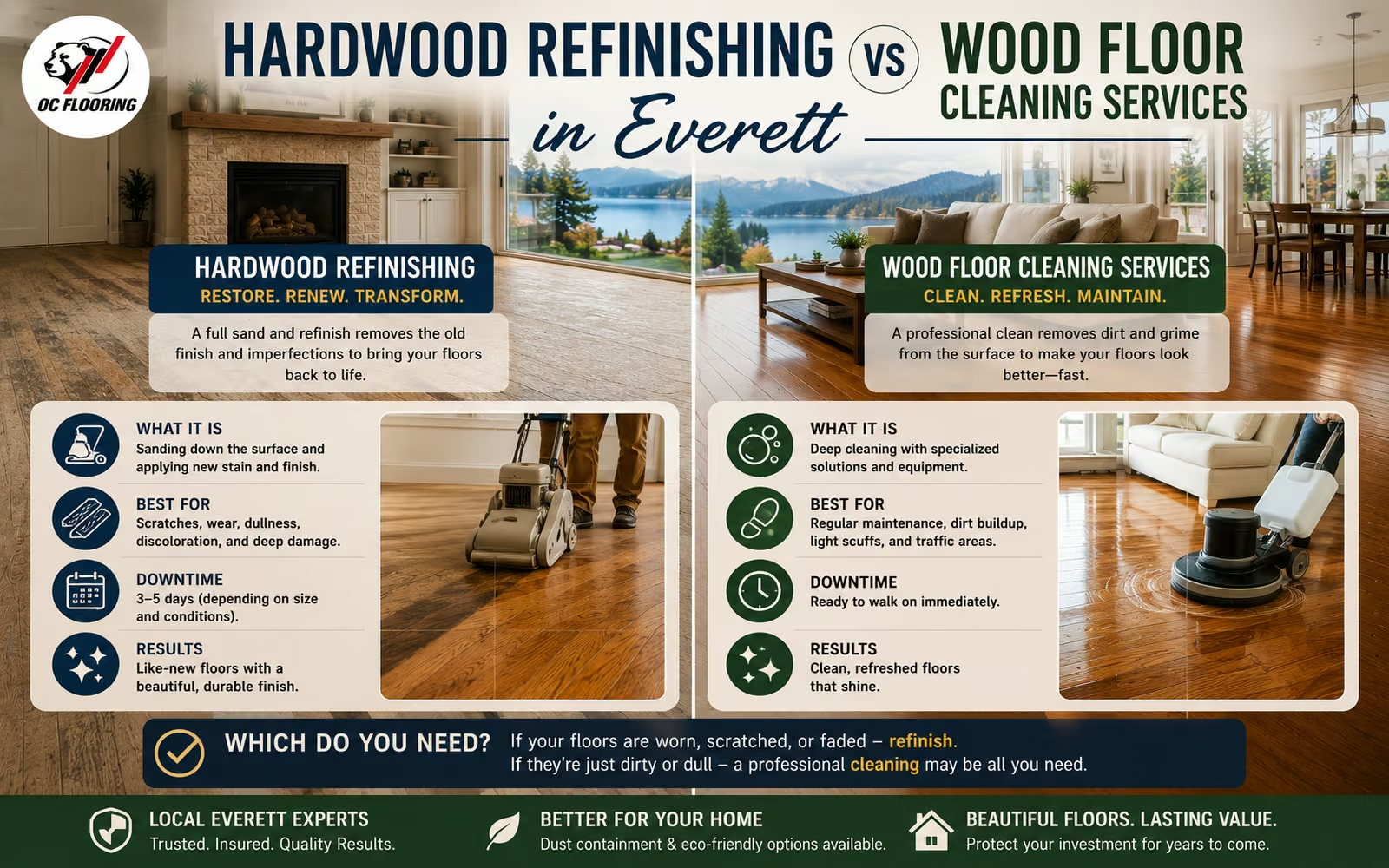
A restoration refinish is a standard full refinish doing its most satisfying trick. We sand the entire floor — faded areas, protected areas, everything — down to fresh wood below the UV-altered layer, which erases the fade and the contrast in one pass, because the whole surface becomes new wood of the same age again. Rug ghosts, window gradients, and the yellow of an old ambered finish all leave in the dust hose. Then the floor gets 2–3 coats of a non-yellowing commercial waterborne finish, and the restored color is protected by chemistry that doesn’t add its own discoloration on top. The job runs 3–5 days like any refinish, walkable in socks the same evening as the final coat.
Two honest caveats. First, severe, decades-deep exposure — typically south glass with no window coverings, ever — can occasionally push color change deeper than one sanding comfortably removes; it’s rare, we’ll tell you at the estimate, and even those floors usually improve dramatically. Second, softwoods complicate things: old Douglas fir darkens rather than bleaches in the sun and sands more delicately, a specialty we covered in our fir refinishing guide — relevant in Edmonds, as we’ll get to.
The Insurance Option: Stain
Most restored floors don’t need stain — fresh-sanded wood under clear finish is the whole show. But stain earns its keep in two restoration scenarios: when a client has fallen out of love with the light look sun-country floors drift toward and wants a deliberate color while we’re down to bare wood anyway, and when we’re blending rooms with different exposure histories and a unifying tone makes the transition disappear. Stain work brings the refinish to $6.50 per square foot, and choosing the color is its own small science — sample boards on your wood, viewed in your light, as we walk through in our stain color guide. Worth knowing either way: darker stains also hide future fade slightly better than pale naturals.
Edmonds: West Light Off the Sound, and Pre-War Wood
Edmonds may be the fade capital of our service area. The town faces west over Puget Sound, which means the best thing about living here — that late-afternoon light pouring off the water — is also a daily UV treatment for every floor in its path, doubled by reflection the same way lake-front floors get it.
The housing makes it more interesting: down in the bowl, the pre-war and early postwar homes often carry original fir or old oak that’s been drinking sun for eighty years, while the view homes up the hill take modern glazing’s bigger, brighter windows. We see the sharpest rug lines in those west-facing view rooms and the deepest overall color drift in the bowl’s oldest floors — and both restore, though the fir wants experienced hands and honest expectations. If this sounds like your living room, our Edmonds refinishing page has the local details, and the complete pricing picture is in the refinishing cost guide.
Keeping the Restored Color
Restoration without prevention is a subscription. You can’t stop UV — anyone who says their finish blocks it entirely is rounding up — but you can slow it to a crawl: a non-yellowing waterborne finish removes the finish’s own contribution to color change; rotating rugs a couple of times a year turns sharp ghost lines into imperceptible gradients; and window film or decent shades on the worst west glass cuts the dose dramatically without costing you the view at the hours you care about. Do those three things and the difference between year one and year ten becomes something you need photographs to detect.
Symptom → diagnosis → fix
| What you see | What it is | What fixes it |
|---|---|---|
| Crisp rug-shaped lines, pale floor around them | True UV fade in the wood | Full sand & refinish — $3.99/sq ft |
| Whole floor gone yellow-orange, worst near windows | Ambered oil-based finish | Full sand & refinish with non-yellowing waterborne |
| Gray, washed-out traffic paths; finish feels thin | Worn finish, not fade | Screen & recoat — $1.99/sq ft, one day |
| Fade plus a wanted color change | Restoration + update | Sand & stain refinish — $6.50/sq ft |
| Very deep, decades-old exposure | Rare severe case | Sand, assess honestly, sometimes stain to blend |
Restoring Sun-Faded Floors: What Edmonds Homeowners Ask
Can sun-faded hardwood floors be restored without sanding?
Will refinishing completely remove rug fade lines?
My floor turned orange rather than pale. Is that sun damage?
How deep does sun damage actually go?
Can you refinish just the one faded room?
Which finish protects best against future fading?
What does restoring a sun-damaged floor cost?
Our Edmonds house has old fir floors. Does any of this change?
Show Us Your Rug Lines
Text us a photo of the worst spot or book a free estimate — we’ll tell you which kind of fade you have, whether it’s a $1.99 recoat or a full restoration, and put the plan in writing. Serving Edmonds and all of King & Snohomish County.
Related reading: How sun damages hardwood floors · Water-based vs oil-based finish · Choosing a stain color · Hardwood floor refinishing in Edmonds · Book a free estimate