


Vinyl flooring care is a five-minute habit: sweep or vacuum the grit, damp-mop with a pH-neutral cleaner, and keep felt pads under everything that moves. Just as important is the don't list — no steam mops, no wax, no “mop & shine” polishes, and no rubber-backed mats, all of which damage or dull modern vinyl. Do the simple things and skip the wrong products, and a quality vinyl floor stays presentable for decades with almost no effort.
The pitch that sells vinyl flooring is “zero maintenance,” and it's nearly true — but “nearly” is where we come in. Most of the damaged vinyl we're asked to fix around King and Snohomish County wasn't wrecked by kids, dogs, or water. It was wrecked by care: the wrong cleaner, a steam mop, a wax habit inherited from an older floor. Here's the whole routine we give clients after installing their vinyl plank, including the product blacklist.
Three Things Most Vinyl Owners Learn Too Late
modern vinyl leaves the factory with a clear urethane wear layer — that is the shine. Wax and acrylic “refresher” polishes just build a soft film on top that dulls, yellows, and eventually has to be chemically stripped off.
rubber-backed rugs and mats can permanently yellow vinyl through a chemical reaction called antioxidant staining — it’s a discoloration in the floor, not on it, and no cleaner removes it. Use rugs marked “colorfast” or “non-staining.”
steam mops force pressurized hot vapor into seams and edges — and most vinyl manufacturers specifically exclude steam-mop damage from their warranties. It’s the one popular cleaning gadget we tell every vinyl owner to retire.
The Weekly Five Minutes
Grit is vinyl's only daily enemy. Tracked-in sand and soil grind against the wear layer under every footstep, and in our drizzle-season households there's a steady supply of it. So the core routine is embarrassingly simple:
- Sweep or vacuum the traffic lanes a couple of times a week. Any vacuum works if the beater bar shuts off or lifts — a spinning brush roll on hard flooring just flings grit and can scuff the surface.
- Damp-mop with a pH-neutral floor cleaner when the floor needs it — weekly in kitchens, monthly in bedrooms. Damp, not wet: vinyl planks are waterproof, but flooding the floor pushes dirty water into seams and along baseboards for no benefit.
- Wipe spills when you see them. Not because they'll soak in — they won't — but because dried-on spills take scrubbing, and scrubbing is where people reach for the abrasive pads that scratch.
That's genuinely the whole program. Everything else in this guide is about what not to do to it.
Why pH-Neutral Is the Magic Phrase
Cleaners hurt vinyl from two directions. Alkaline products — ammonia, most all-purpose degreasers — slowly attack the urethane wear layer and leave it hazy. Harsh treatments in the other direction, plus abrasive powders and scouring pads, micro-scratch the surface so it scatters light and reads as “worn out” even when it's structurally fine. A cleaner labeled pH-neutral (or made specifically for vinyl/LVP) cleans the dirt without touching the finish. And skip the “mop & shine” aisle entirely — those products are acrylic polish in disguise, and they're how shiny new floors end up with a gummy, yellowing film two years later.
Furniture, Sun, and the Other Slow Killers
- Felt pads under every chair and table leg — and replace them yearly; old pads harden and collect grit, becoming sandpaper with a furniture leg behind it.
- Never drag appliances or heavy furniture. Vinyl tears and gouges under dragged point loads. Use hardboard panels or an appliance dolly when the fridge has to move.
- Wide, hard casters on office chairs or a chair mat — small hard wheels concentrate weight into a groove-cutting line.
- Mind the sun. Vinyl can fade or discolor under strong direct sunlight, so use blinds or UV film in big south-facing exposures, and occasionally rotate rugs so the floor ages evenly.
- Choose entry mats labeled non-staining (no raw rubber backing), and shake them out regularly — a mat full of grit is a grit dispenser.
Scuffs, Stains, and Small Rescues
Black heel scuffs usually erase with a melamine sponge used gently, or even a tennis ball on a stick — light pressure, then rinse the spot. Stubborn marks like ink or crayon often lift with a soft cloth barely dampened with isopropyl alcohol; test in a closet corner first and rinse after. What you should never deploy: solvent cleaners, acetone, bleach on colored vinyl, or anything sold as a scratch-repair polish for hardwood — those are formulated for wood finishes, not urethane-over-vinyl, and they leave smears you'll fight for months.
When Care Isn't Enough: Damage
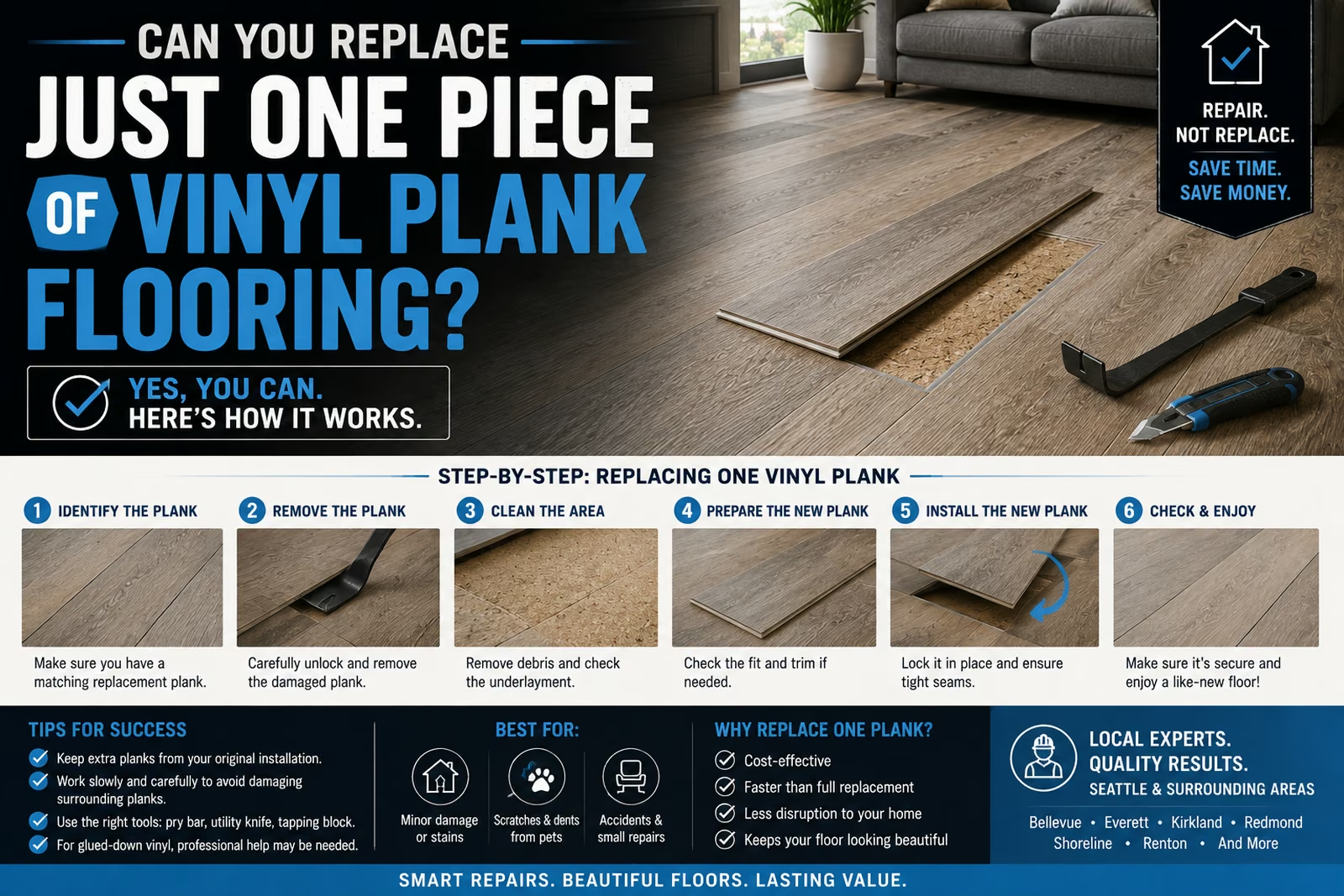
A gouged, torn, or deeply scratched plank doesn't sentence the whole floor. Click-lock vinyl plank is one of the most repairable floors made — a damaged board can be swapped for a spare, which is exactly why we tell every client to keep a box of leftovers from installation stored flat and indoors. Glue-down vinyl repairs are fussier but routine for a pro. If damage is spreading (wear-through in traffic lanes, curling edges, seams opening), that's usually a floor at the end of its wear layer — worth an honest assessment rather than another round of products. Our repair service handles the first case; a free estimate settles the second. And if you're deciding whether your next floor should make care even easier, our vinyl vs. laminate comparison covers which surfaces forgive the most neglect.

The Care Card
- Sweep or vacuum grit (beater bar off)
- Damp-mop with pH-neutral or vinyl-specific cleaner
- Felt pads under furniture, refreshed yearly
- Non-rubber-backed walk-off mats at doors
- Keep spare planks from your install for future swaps
- Steam mopping — voids most vinyl warranties
- Wax, acrylic polish, or “mop & shine” products
- Ammonia, degreasers, scouring powder, scrub pads
- Dragging furniture or appliances across the floor
- Rubber-backed rugs that yellow the vinyl beneath
Vinyl Floor Care: What Everyone Asks
Can I use a steam mop on vinyl plank flooring?
What is the best cleaner for vinyl floors?
Why does my vinyl floor look dull even after mopping?
How do I get scuff marks off vinyl flooring?
Should I wax my vinyl floor to bring back the shine?
Are robot vacuums safe on vinyl floors?
How do I protect vinyl flooring when moving heavy furniture?
Can a scratched or gouged vinyl plank be repaired?
One Rough Plank Doesn't Mean a New Floor
Gouge, tear, or a floor that's stopped responding to cleaning? We'll tell you honestly whether it's a one-plank swap or time to plan a replacement — free estimates across King & Snohomish County.
Related reading: Flooring repair · Vinyl plank & laminate installation · How to spot quality LVP · Vinyl plank vs. real Seattle life