



"Vinyl flooring" is really three different products: sheet, plank, and tile — same waterproof material, very different behavior. Sheet vinyl covers small rooms in one seamless piece, making it quietly the most leak-forgiving floor you can buy. Plank (LVP) delivers the wood look with board-by-board repairability. Tile (LVT) mimics stone and ceramic — some lines even take real grout. Which format fits which room is the actual decision, and it's mapped below.
When homeowners around Snohomish and Everett tell us they want "vinyl flooring," the next question surprises them: which kind? The material's core benefits — water indifference, easy care, comfort, value — come in three very different packages, and picking the wrong package for the room is the most common vinyl regret we see. We're OC Flooring, installing floors across Snohomish and King County since 2013. Here's the format guide we wish every customer read before visiting a showroom.
A Little Format History
the year Frederick Walton patented linoleum — the floor vinyl eventually replaced after World War II, and the one people still confuse it with 160 years later.
the standard width of a sheet-vinyl roll. Most bathrooms and laundry rooms are narrower than that — meaning one piece, zero seams, nowhere for water to get in.
a common luxury vinyl tile size. Larger-format LVT with groutable edges is how you get the ceramic look in rooms where real tile would be too cold, too hard, or too heavy.
The Three Formats, Side by Side
| Sheet vinyl | Vinyl plank (LVP) | Vinyl tile (LVT) | |
|---|---|---|---|
| Comes as | 6–12 ft wide rolls | Wood-look boards, usually click-lock | Stone/ceramic-look tiles, click or glue |
| Seams | None in small rooms | Hundreds of tight joints | Hundreds — or grouted |
| Looks | Patterns and wood/stone prints | Most convincing wood | Most convincing stone |
| Repairs | Patch-in (visible to a keen eye) | Swap a single board | Swap a single tile |
| Subfloor prep | Least forgiving — shows bumps | Rigid cores bridge small flaws | Same as plank |
| Budget position | Usually the least per sq ft | Mid-range, wide spread | Mid-range |
| Signature room | Laundry, small baths, rentals | Main floors, basements, kitchens | Baths and kitchens wanting tile style |
Sheet Vinyl: The Underrated Specialist
Sheet vinyl gets treated like a relic of 1985, and that's a mistake. Modern sheet goods print the same high-resolution visuals as plank, and they hold an advantage nothing else in the aisle can claim: in any room narrower than the roll, the floor is a single piece. No seams means no seam failures — which is why we still recommend sheet for laundry rooms, small baths, and utility spaces, the rooms where slow leaks start and go unnoticed. It's also the pragmatic pick for rental units on a budget. The trade-offs: repairs mean patching rather than plank-swapping, and because it's thin and supple, it telegraphs subfloor imperfections — prep matters more, not less, with the cheapest format.

Vinyl Plank: The Format That Took Over
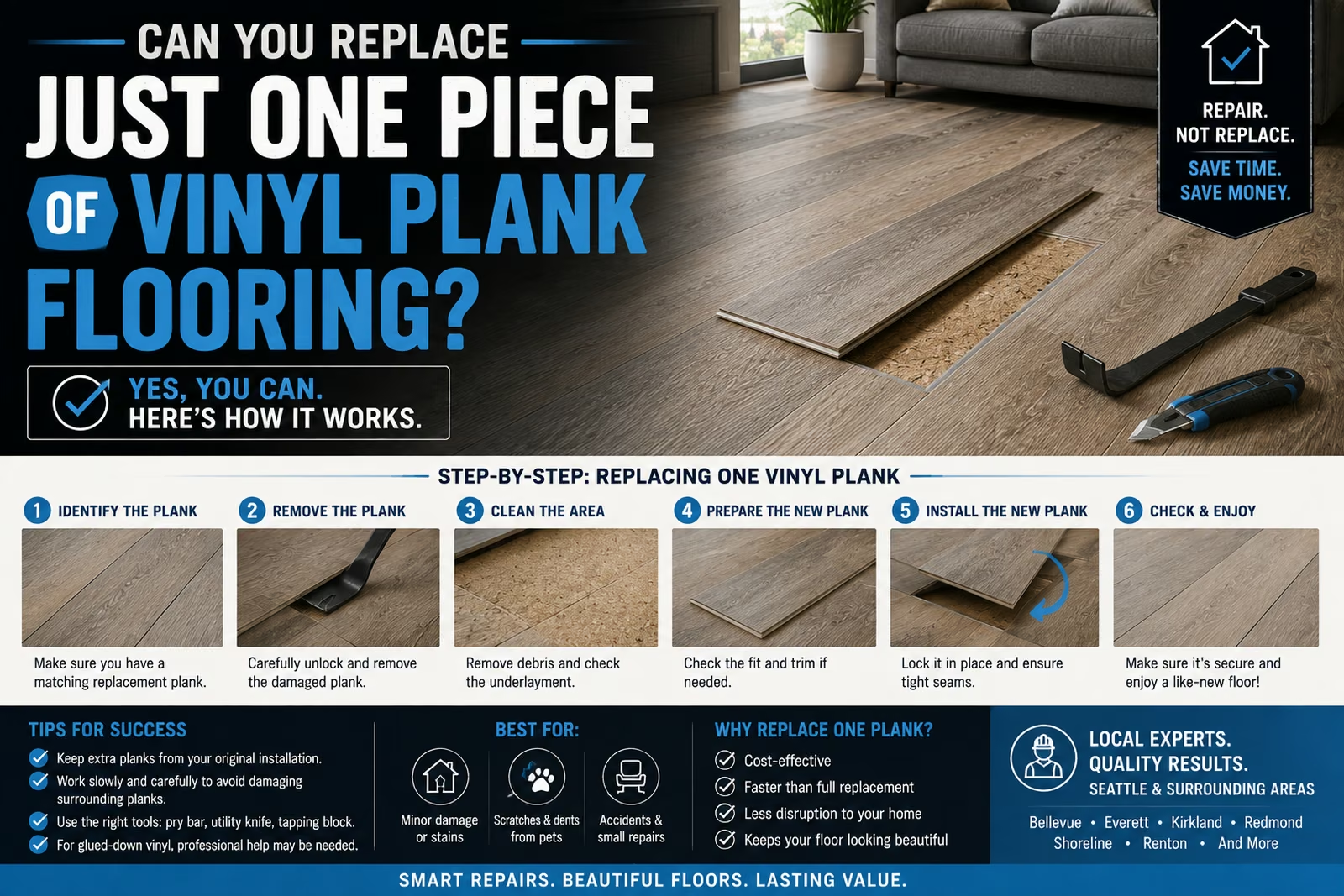
Plank is where the vinyl industry has poured its engineering for a decade, and it shows: rigid cores, deep embossing that lines up with the printed grain, micro-beveled edges, attached pads. It's the format to buy when the goal is a wood floor that doesn't care about water — and its click-lock joints make it the only floor in the house where one damaged board can be swapped without touching the rest (our single-plank replacement guide shows exactly how). We've covered its Seattle-specific strengths in a dedicated benefits post, so here's the format-level summary: main floors, kitchens, basements, and rentals — plank first.
Vinyl Tile: Stone Looks Without Stone Problems
LVT exists for one job and does it well: the ceramic and stone aesthetic in rooms where real tile has drawbacks. Compared to porcelain, vinyl tile is warmer underfoot, softer on dropped dishes and standing cooks, lighter (no structural concerns on wood-framed floors), and far kinder to whoever installs it. Grout-in lines blur the difference from ceramic remarkably well from standing height. What it doesn't match is porcelain's absolute hardness and its indifference to sun-fade over decades — for a shower surround or a south-facing sunroom, real tile keeps the crown.
Mixing Formats Under One Roof
Formats mix better than most homeowners expect, because manufacturers publish coordinating visuals across their sheet, plank, and tile lines. The practical rules: keep transitions at doorways rather than mid-room, mind the height difference between a 2 mm sheet and a 6 mm rigid plank (a proper transition strip solves it), and let each room's water story pick its format instead of forcing one product everywhere. That's how you get vinyl's benefits without its compromises.
Our Local Format Cheat Sheet
How this plays out in the homes we work on: Snohomish and Monroe farmhouses — sheet in the laundry and back bath over the crawlspace, plank through the kitchen and mudroom. Everett rentals and multi-family — sheet or entry-level plank, chosen for repair economics as much as price. Newer Bothell and Mill Creek family homes — rigid plank across the main floor, LVT in the baths for the spa look. The pattern behind all of it: match the format's seam story to the room's water story. Get that right and every version of vinyl is a good floor.
All three formats install through our vinyl and laminate service at $3–$4.25 per square foot labor (materials separate), with free in-home estimates and financing available. Still comparing vinyl against wood and laminate more broadly? Start with our Pacific Northwest flooring guide.
Vinyl Flooring Formats, Answered
Is sheet vinyl flooring outdated?
Which type of vinyl flooring handles water best?
What is the difference between LVT and real ceramic tile?
Can vinyl tile really be installed with grout?
Which vinyl format is easiest to repair?
Is vinyl flooring hard to take care of?
What should vinyl flooring installation cost in the Snohomish area?
Is vinyl the same thing as linoleum?
Pick the Right Vinyl Format the First Time
Sheet for the laundry, plank for the kitchen, tile for the bath — or a different mix entirely. We'll walk your rooms and match format to reality, free, anywhere in Snohomish and King County.
Related reading: Vinyl plank benefits for Seattle homes · How single-plank replacement works · Vinyl plank & laminate installation