



Carpet in a Pacific Northwest basement works on one condition: the slab is dry, and you have proven it rather than assumed it. Tape a square of plastic to the concrete, wait a day, and read the result — that free test decides more than any product brochure. Over a dry slab, an all-synthetic carpet on the right pad is the warmest, quietest, most forgiving floor a basement can have. Over a damp one, no carpet is the right carpet, and we will tell you so and point you at a waterproof floor instead — because replacing moldy carpet twice costs more than choosing correctly once.
is all the plastic-sheet test takes: tape a square of clear plastic to the bare slab, seal the edges, come back the next day. Moisture or darkening underneath means the slab is moving water — and carpet is off the menu until that is solved.
the only spec we install below grade — synthetic fiber, synthetic backing, synthetic pad. Everything in the sandwich has to be able to get damp once and dry out without feeding mold.
where installed carpet starts with us, pad and labor included. The mobile showroom drives to your house — and down to the basement, where the samples belong in the light they will live in.
Why Basements Are a Different Conversation
Upstairs, carpet choice is about traffic and taste. Downstairs, it is about physics first. A basement floor is a concrete slab sitting on ground that, in western Washington, spends October through April saturated. Concrete is not waterproof — it wicks moisture upward as vapor, slowly and invisibly, unless something below it stops that. A slab can look bone-dry and still be pushing water vapor into whatever you put on top of it all winter long.
Carpet handles that badly in exactly one configuration: trapped moisture plus organic material. Damp pad under carpet that never dries is a mold farm. But notice what that sentence requires — a wet slab and materials that hold water. Remove either one and basement carpet is not just acceptable, it is the best thing about the room: warm underfoot on concrete that would otherwise be cold all year, quiet under a media room, soft under a playroom. Half the basements we carpet are the favorite room in the house within a month.
The Plastic-Sheet Test: Free, and It Decides Everything
Before anyone quotes you carpet for a basement, do this. Cut a square of clear plastic — a couple of feet across, a garbage bag works — and tape it flat to the bare slab with every edge sealed. Pick the spot that worries you most: the darkest corner, the wall that faces the uphill side of the lot. Come back in about 24 hours and look.
Droplets on the underside of the plastic, or a dark, damp-looking patch on the concrete? The slab is moving moisture, and carpet goes back on the shelf until the drainage, grading or sealing conversation happens — problems carpet does not cause but absolutely will not survive. Plastic dry, concrete unchanged? You have a carpet candidate. We do this test ourselves at basement estimates, in more than one spot, because a slab can be dry by the stairs and damp at the far wall. It is a free test that prevents a four-figure mistake, which is the best ratio in home improvement.
The Spec That Works Below Grade
Basement carpet is a materials question, and the rule is one word: synthetic. Fiber — olefin, polyester, triexta or nylon all work; olefin in particular shrugs off dampness, which is why so much purpose-built basement carpet uses it. Never wool below grade — it holds moisture and feeds on humidity. Backing — modern synthetic backings are fine; the old jute-backed carpet in your parents' rec room is exactly what molded. Pad — a synthetic pad rated for below grade, and this is a place we may steer you to a different grade than we would upstairs; the job of a basement pad is to take an occasional damp day and dry out, not to be the plushest thing in the catalog. Pile — keep it low and dense; deep plush holds moisture longer and shows basement traffic patterns fast.
The good news: none of this looks like a compromise anymore. The synthetic lines in the mobile showroom today are soft, colorfast and genuinely handsome — the fiber chemistry we walk through in our pet carpet guide is the same chemistry that wins downstairs. And because basement light is its own thing — low windows, cool LED bulbs — seeing the twenty-plus samples in the actual room matters more down there than anywhere else in the house.
Basement by Basement: Our Honest Verdicts
| Your situation | Our call | Why |
|---|---|---|
| Dry slab, media or family room | Carpet, happily | Warmth, quiet and comfort on concrete — this is carpet doing what nothing else does as well |
| Dry slab, kids’ playroom | Carpet, low pile | Soft landings and warm floors; a dense low pile takes toy traffic and cleans up honestly |
| Plastic test shows moisture | No carpet yet | Fix water first — grading, gutters, sealing. Carpet over a damp slab is a scheduled mold problem |
| History of seepage or one past flood | Waterproof floor instead | Once water has found a way in, bet on it returning — vinyl plank plus washable rugs gives the comfort without the risk |
| Laundry, utility, or walk-out mudroom zone | Hard surface | Hoses fail and boots drip — keep carpet out of the splash zone even in a dry basement |
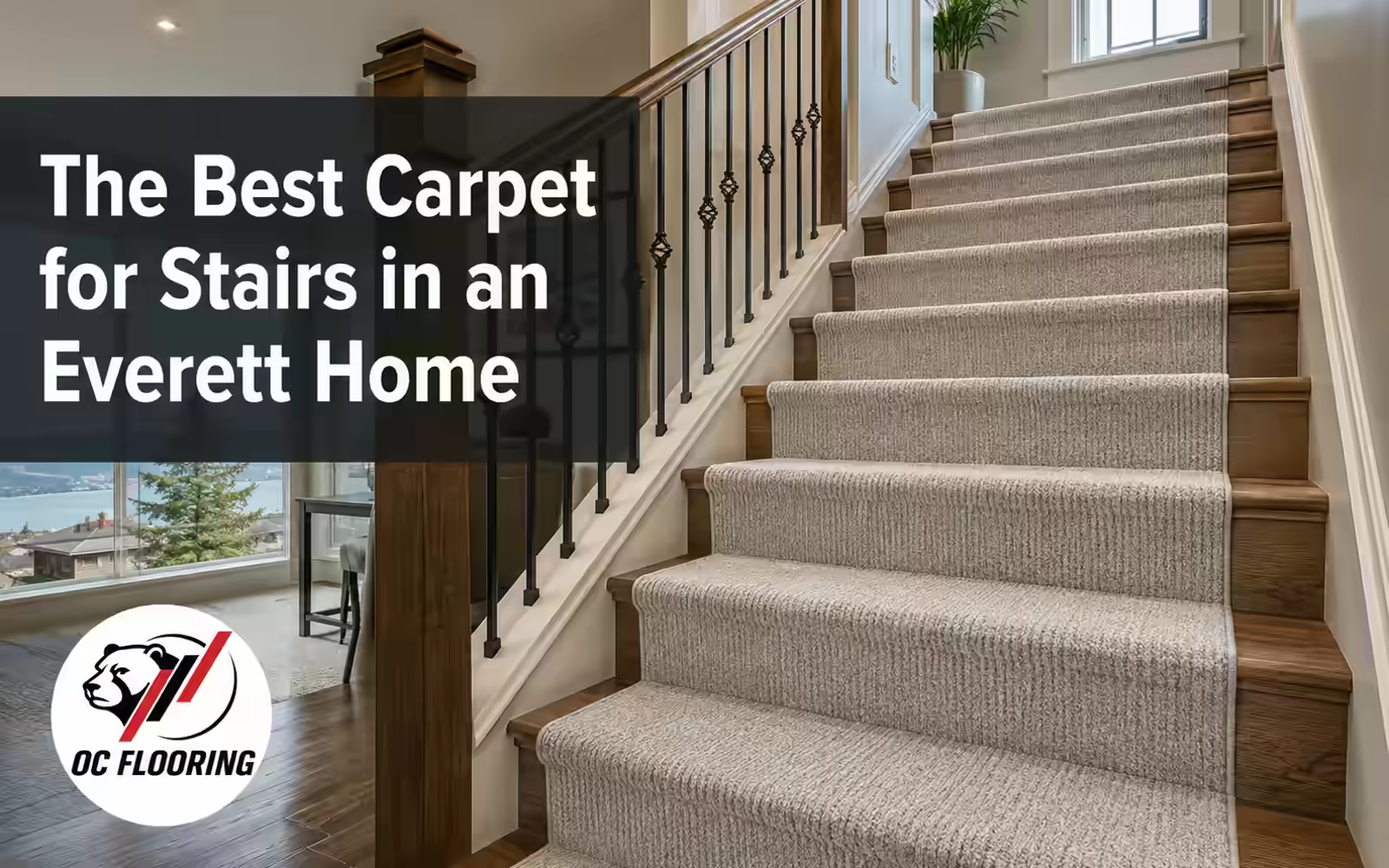
| Basement stairs | Carpet, almost always | Traction on the steepest, darkest stairs in the house — the safety case is the whole case |
When Vinyl Is the Right Answer — Even Though We Love Carpet
Some basements should not have carpet, and it costs us nothing to say so at your kitchen table. A slab that fails the plastic test twice, a basement with any flooding history, a space below the neighborhood water table that runs a dehumidifier all winter — those rooms want a waterproof floor, full stop. Luxury vinyl plank over the slab, then washable area rugs where you want softness, gets you most of the comfort with none of the risk; our guides to waterproof flooring and the honest pros and cons of luxury vinyl cover that side of the decision. The same logic applies even more strongly to hardwood below grade, which we talk more people out of than into.
What we will not do is put carpet over a slab we know is damp because the customer really wanted carpet. You would be calling us back in eighteen months, angry, with a musty basement — and you would be right to be.
Redmond Basements, Specifically
Redmond is good basement country, mostly. The daylight basements on Education Hill and around Grass Lawn tend to sit well-drained on their slopes, with real windows and slabs that pass the plastic test easily — prime carpet territory, and those rooms become home theaters and teen dens that genuinely need the acoustic help. The flatter lots closer to the Sammamish River valley deserve the test done carefully, in a few spots, in the wet season if you can wait for it — a slab tested in a dry August tells you less than one tested in a soggy February.
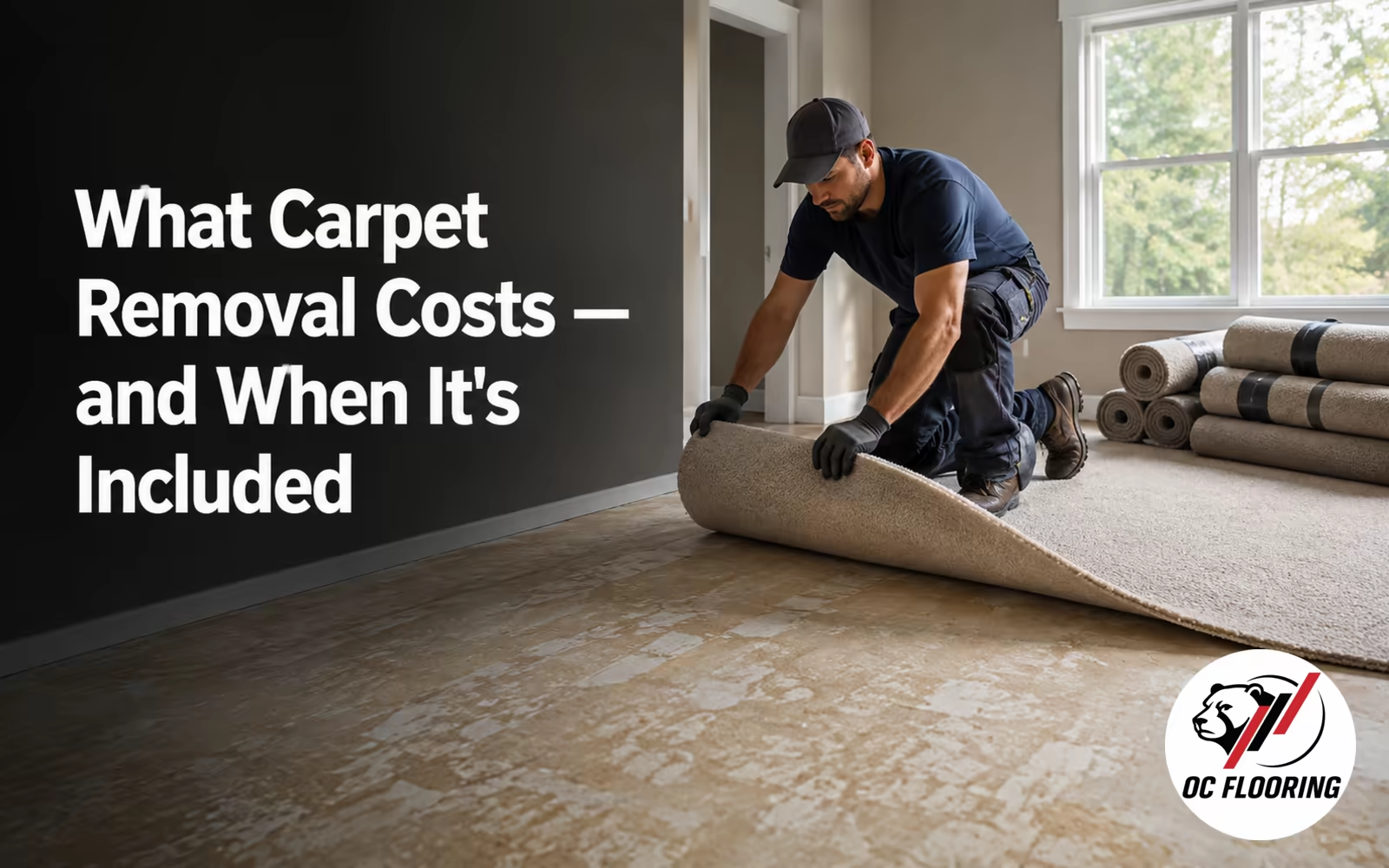
Either way the process is the same: we bring the samples and all three pad grades down the actual stairs, run the moisture conversation honestly, measure, and leave a written price the same visit. What that number is made of — square footage, pad, stairs, removal of whatever is down there now — works exactly like the upstairs quote we break down in our carpet cost guide, and the tear-out side is covered in what carpet removal costs. Service details for the neighborhood are on our Redmond carpet installation page.
Our below-grade carpet spec
- Slab proven dry with the plastic-sheet test — in more than one spot
- Synthetic fiber, synthetic backing, synthetic below-grade pad
- Low, dense pile that dries fast and hides basement traffic
- Carpet on the basement stairs for traction, almost without exception
- Hard surface kept in laundry and utility zones, carpet outside them
- Samples viewed downstairs, in the room’s own light
When we say no to basement carpet
- The plastic test shows moisture — water gets fixed first, floors second
- Any history of seepage or flooding, even “just the once”
- Wool or anything organic below grade — beautiful upstairs, mold food downstairs
- Deep plush over a slab — it holds dampness longest and ages fastest
- Carpet as a fix for a musty smell — it will absorb the problem, not solve it
- Skipping the pad conversation — the wrong pad down here undoes everything
Basement Carpet in the Northwest: What Homeowners Ask Us
Is carpet a good idea in a basement?
How do I test if my basement slab is dry enough for carpet?
What kind of carpet is best for a basement?
Do I need a special pad for basement carpet?
Will carpet in a basement get moldy?
Should I put carpet or vinyl plank in my basement?
What about basement stairs — carpet or hard surface?
What does basement carpet cost?
Bring the Showroom Down the Stairs
We test the slab, bring twenty-plus synthetic samples and all three pad grades into the basement light where they will actually live, and leave a written price the same visit. If the honest answer is vinyl instead, we will say so. Free in-home estimates across King & Snohomish County.
Related reading: The best carpet for stairs · Waterproof flooring, explained · What carpet removal costs · How long carpet honestly lasts · Carpet installation in Redmond · Book a free estimate