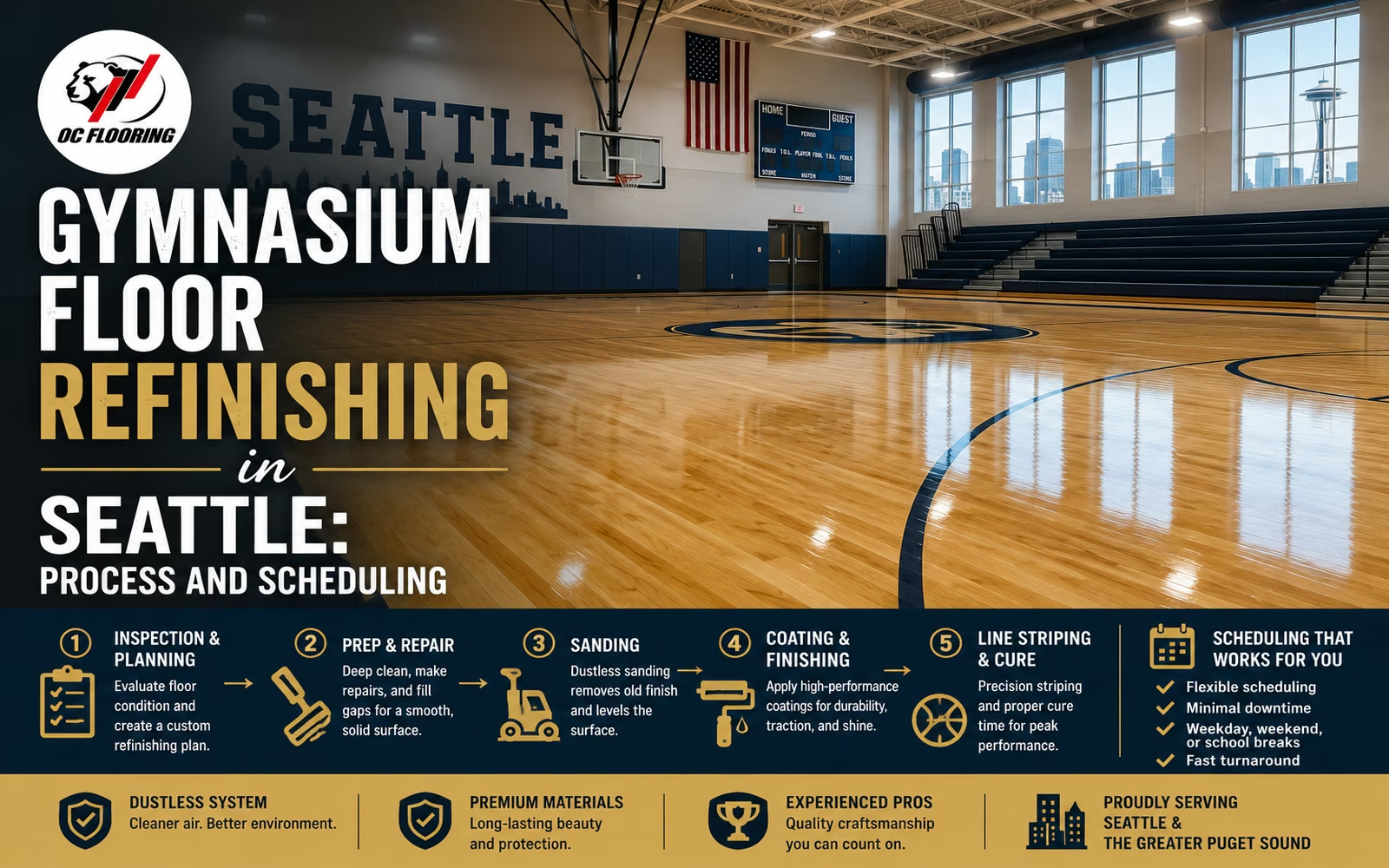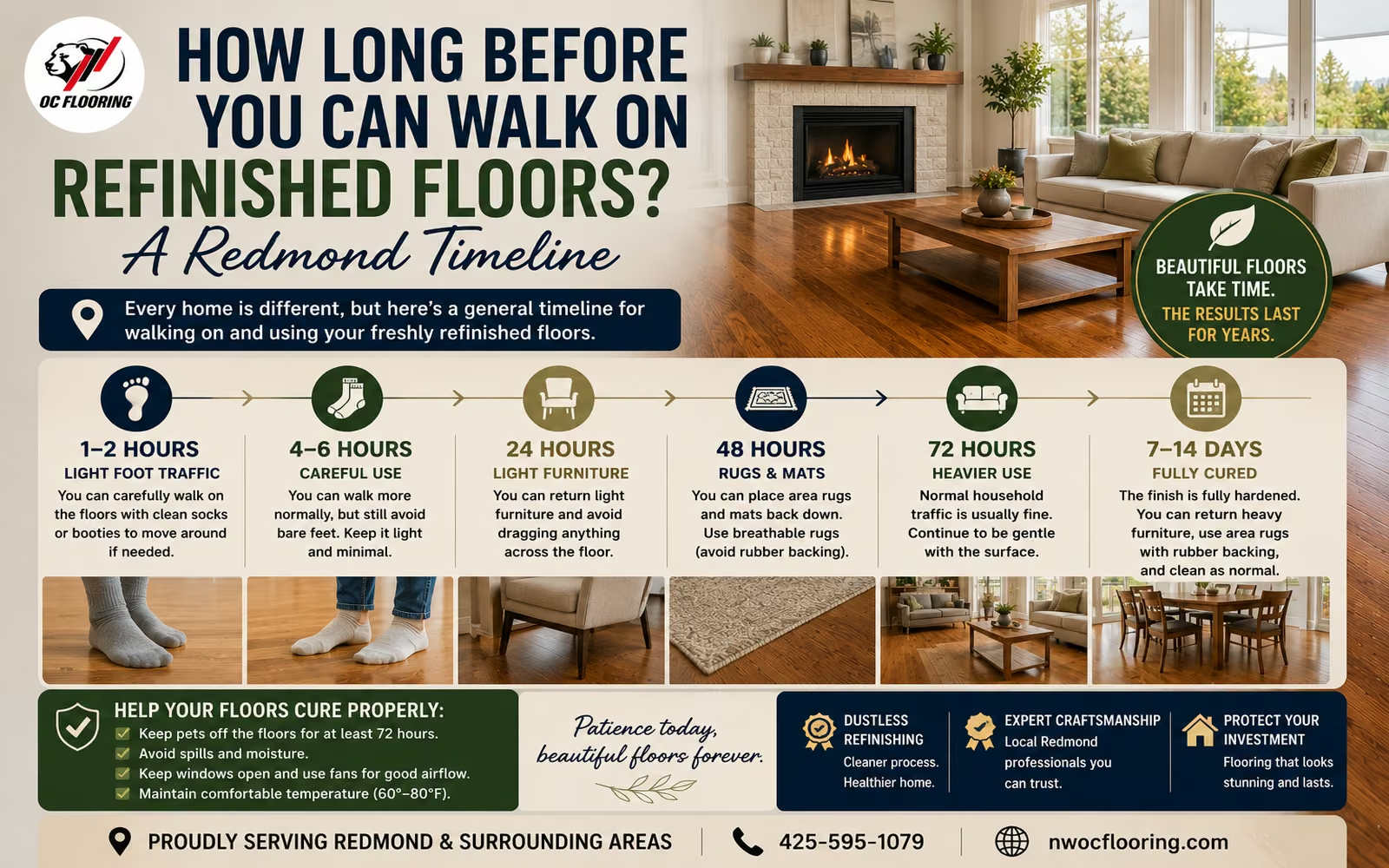





A full hardwood refinish takes 3–5 days for a typical Seattle-area home: one day of sanding, one day for stain if you're changing color, then finish coats with dry time between. With the waterborne finishes we use, you can walk on the floors in socks the morning after the final coat, move furniture back in 3–5 days, and put area rugs down after about two weeks. A screen & recoat — no sanding to bare wood — is done in a single day.
Most of the stress in a refinishing project comes from not knowing what happens when. Can you sleep at home? When does the smell go away? When can the dog come back? We're OC Flooring — we've refinished floors in more than 1,000 King and Snohomish County homes since 2013, and this is the same day-by-day walkthrough we give at every free in-home estimate, written down so you can plan your week around it.
Three Numbers Behind Every Refinish
the grit sequence of a proper sand. We start coarse (36–40 grit) to cut off old finish, then step through medium (60) and fine (80–100) so each pass erases the scratches of the last one.
of wood removed in a full sanding. That's why a 3/4-inch solid floor can be refinished several times over its life — the machine takes off far less than people fear.
before area rugs go back down. Finish is dry in hours but keeps hardening for about two weeks — a rug laid too early traps solvents and can leave a permanent hazy outline.
The Day-by-Day Timeline
| Day | What happens | Your floors |
|---|---|---|
| Before day 1 | Free in-home estimate: we measure, check board thickness and moisture, show stain and finish samples, and leave a written itemized quote | Untouched |
| Day 1 | Prep and dustless sanding: rooms cleared and sealed off, three sanding passes plus edging along walls | Bare wood by evening |
| Day 2 | Repairs, final buffing, then stain (if you're changing color) — stain must dry fully overnight before finish | Stained, no walking |
| Days 2–4 | Finish coats with a light abrasion between them so each coat bonds to the last | Off-limits while coats dry |
| Final coat + 1 morning | Walk-on in socks (waterborne finish) | Light use OK |
| +3–5 days | Furniture back — lifted into place, never dragged, with felt pads on every leg | Normal living |
| +14 days | Area rugs down, full cure reached | Fully hardened |
Two things stretch that window: stain adds a full day (it has to be bone-dry before finish goes over it, and dark colors dry slower), and large or complicated floors add sanding time — herringbone, borders, and heavily cupped boards all take extra passes. A natural-finish refinish of a straightforward 800 sq ft main floor is usually the fast end: sanding day one, coats days two and three.
What Actually Happens During Sanding
The big machine handles the field of the floor, but it can't reach the last few inches at the walls — that's a separate machine called an edger, and blending edger scratch into the field is where experience shows. After the final fine pass we buff the whole floor so the field and edges accept stain and finish evenly. We run dustless sanding on every job: the sanders connect directly to vacuum containment that captures the overwhelming majority of dust at the source, which is why you won't spend the next month finding sawdust in your kitchen drawers.
Stain Day: Why We Refuse to Rush It
If you're changing your floor's color, day two is the patience day. We often "water-pop" the wood first — a light misting that opens the grain so stain absorbs deeply and evenly instead of blotching. Then the stain needs to dry completely, usually overnight, before the first finish coat. Sealing finish over stain that's even slightly damp is the classic cause of peeling a few months later, so this is one step we never compress. Not sure what color suits your wood? Our guide to choosing a stain color covers what's working in local homes right now.
Finish Coats: Dry vs. Cured Is the Distinction That Matters
We use Bona waterborne finishes as our standard system. Waterborne finish is dry — walkable in socks — within hours, and the low odor is why most of our clients stay in their homes during the project. But dry is not cured. Curing is the chemical hardening that continues for roughly two weeks, and it's why the move-back schedule is staged: socks the next morning, shoes and furniture after a few days, rugs and pet claws at full strength after two weeks. Treat a week-old floor gently and it will pay you back for a decade.
Refinishing in a Western Washington Winter
Homeowners often assume they should wait for summer. Honestly, winter is a fine time to refinish here: your furnace keeps the indoor air warm and relatively dry, which is exactly what finish wants while it cures. The one thing we watch is the floor's moisture content — in a damp October or a house that's been closed up, we check boards with a meter before sanding, because sanding and finishing wood that's still absorbing seasonal moisture locks in problems. That check takes minutes and is part of every estimate.
How to Prep Your Home (the Short List)
- Clear the rooms — furniture, rugs, and everything hanging low on walls. Ask us about moving washers, dryers, and appliances; we handle those routinely for a small add-on.
- Plan for the household — most families stay home, but pick sleeping arrangements that don't require crossing wet finish, and board pets for coat days.
- Decide on color before day 1 — we'll put stain samples on your actual floor at the estimate, because the same stain reads differently on fir than on red oak.
- Buy felt pads early — every chair and table leg, before the furniture comes back.
Refinishing Timeline Questions, Answered
How long does it take to refinish hardwood floors?
When can I walk on my floors after the final coat?
How soon can furniture go back after refinishing?
Do I have to move out during floor refinishing?
What order do the steps happen in a refinishing project?
How long does stain need to dry before the finish goes on?
When can rugs go back down on refinished floors?
Does refinishing take longer in winter in Seattle?
Want a Day-by-Day Plan for Your Floors? It's Free
We'll measure your rooms, check your boards and moisture, and hand you a written timeline and itemized quote before we leave. Free in-home estimates across King & Snohomish County.
Related reading: What refinishing costs in 2026 · Dustless vs. traditional sanding · When floors can't be refinished · Our refinishing service