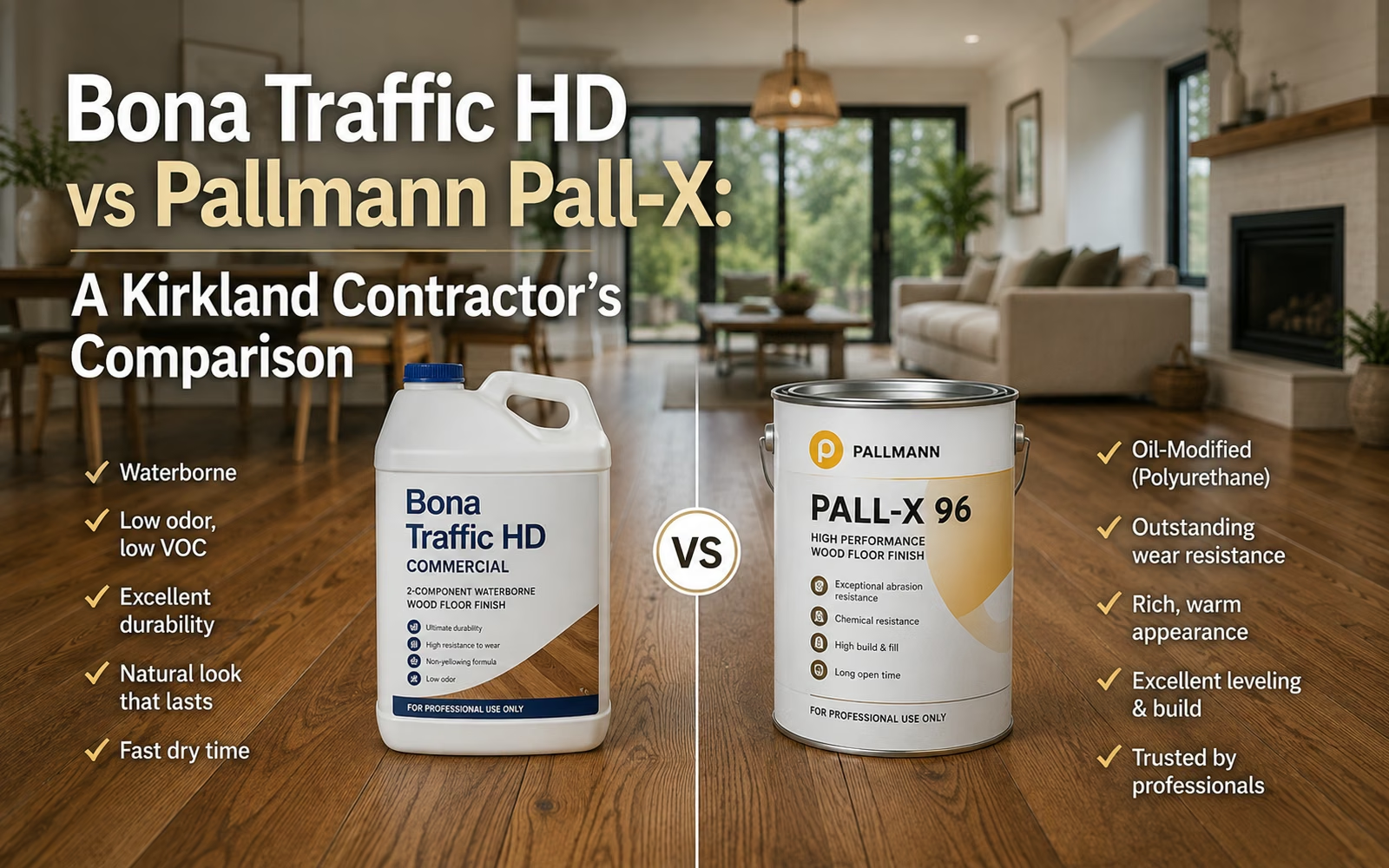




Bona HD is a commercial-grade waterborne polyurethane finish — the top tier of the Bona system we apply on our refinishing projects. It earns its reputation three ways: durability built for commercial traffic, a water-clear look that never ambers, and low odor that lets families stay home during refinishing. The trade-off is honest too: it costs more than builder-grade finish and gives a cleaner, lighter look than traditional oil — which is a style choice, not an upgrade for everyone.
Ask ten floor refinishers what finish they'd put on their own house and you'll hear Bona's name more than any other. We're one of them — Bona waterborne systems are what we apply across King and Snohomish County. But “we like it” isn't useful to you. What matters is understanding what this class of finish actually is, what it does better than the alternatives, and where the honest trade-offs sit — so the finish on your floor is a decision, not a default.

Where This Finish Comes From
the year Bona was founded in Malmö, Sweden. A century spent on a single niche — wood-floor finishing and care — is why the brand shows up on the vans of picky refinishers on every continent.
commercial-grade waterborne finishes like Traffic HD ship as finish plus a separate crosslinker mixed in just before coating. That chemistry is the difference between a floor finish and a furniture topcoat.
oil-based polyurethane keeps ambering for years after it dries; a quality waterborne finish locks in the color you approved on day one. On white oak and gray or neutral stains, that difference is the entire look.
What “Waterborne” Actually Means
All polyurethane floor finishes cure into a plastic wear film. The difference is what carries the resin to your floor. Oil-based (solvent-borne) finish rides in mineral spirits — strong smell, long dry times, and a warm amber tint that keeps deepening for years. Waterborne finish suspends the urethane in water: it goes on milky, dries clear, and releases far less solvent into your house while it does. Early waterborne finishes in the 1990s earned a reputation for being the “weaker but nicer-smelling” option. The professional two-component products of the last fifteen years ended that era — the crosslinker turns the cured film into something that shrugs off traffic that would scar an oil finish.
That's the tier Bona HD occupies. It's the finish specified for floors that get punished for a living — restaurants, retail, gyms' lobbies — applied in houses. For a home with dogs, kids, and 150 rainy days' worth of grit walking in annually, that headroom is the point.
Why We Standardized on It
| What you care about | How Bona HD behaves | How traditional oil-based compares |
|---|---|---|
| Daily wear & claw traffic | Commercial-grade resistance to scuffs and scratches | Good, but marks and dulls sooner in traffic lanes |
| Color over time | Water-clear; the day-one color is the year-ten color | Ambers continuously; lightens nothing, yellows everything |
| Living through the project | Low odor; occupied homes are realistic | Days of strong solvent smell; sensitive people leave |
| Recoat rhythm | Multiple coats in one day are possible | One coat a day — the project stretches |
| Look | Clean, transparent, shows the wood's true color | Warm amber glow — which some homeowners genuinely want |
The scheduling point deserves a sentence: because waterborne coats dry in hours rather than overnight, a refinish that would take a week with oil compresses into 3–5 days — and the house is livable during most of it. That's half the reason our refinishing timeline looks the way it does.
The Honest Trade-Offs
It costs more than basic finish. Premium two-component waterborne products are among the most expensive finishes a contractor can buy. We think the durability math justifies it — a finish that lasts years longer costs less per year of service — but it's real money, and a quote using bargain finish will beat ours on price.
The clean look isn't everyone's look. On red oak especially, oil's amber warmth is part of what many people picture as “hardwood.” Water-clear finish over the same boards reads brighter and more modern. Neither is wrong. If you want warmth with waterborne performance, tinted sealers under the clear coats get you most of the way there — that's a conversation we have with samples on your actual floor.
It will not fix what's under it. No finish rescues a bad sanding job. The flattest, most careful prep — the sanding sequence, the edging, the final buff — matters more to the finished floor than the brand on the bucket. A great finish over great prep is the combination; see why we're blunt about DIY refinishing.
Living With a Bona-Finished Floor
Care is boringly simple, which is the point: dry-dust regularly, damp-mop with a pH-neutral hardwood cleaner, and never introduce wax, acrylic polish, or steam. When the floor eventually dulls in the traffic lanes — years out — a screen & recoat at $1.99/sq ft renews the wear layer without sanding. Kept on that rhythm, the finish system protects the wood indefinitely, and the floor never again needs an emergency restoration.
One last piece of perspective: finish is the cheapest component of a refinishing project and the only one you'll touch every day for the next decade. Economizing on the sanding crew is a visible mistake; economizing on the finish is an invisible one that surfaces in year three, in the hallway, as wear that arrived early. When we quote a refinish at $3.99/sq ft, the commercial-grade waterborne system is already in the number — it's not an upsell line, because in our experience it's the difference between a floor that ages and a floor that just gets older.
Bona HD Finish Questions, Answered
What exactly is Bona Traffic HD?
Is waterborne finish as tough as oil-based polyurethane?
Will a waterborne finish make my floor look pale or washed out?
How strong is the smell during finishing with Bona HD?
How many coats of finish will my floor get?
Do floors finished with Bona HD need special care?
Why do some refinished floors turn yellow within a few years?
Which rooms justify a commercial-grade finish most?
Want a Finish That Outlasts the Dog, the Kids, and the Rain?
We refinish with Bona waterborne systems — dustless sanding, honest advice on sheen and tone, and a floor you can walk on the next morning. Natural refinish $3.99/sq ft across King & Snohomish County.
Related reading: Hardwood refinishing: the complete guide · Pallmann finishes explained · Floor refinishing service · Dust-free refinishing