



Before you sign anything, ask these five: (1) Are you licensed, bonded, and insured in Washington — and can I verify it? (2) How will you control dust? (3) What sanding sequence and finish system will you use, and how many coats? (4) What exactly does this quote include? (5) What’s the schedule — down to when we can walk on it? A quality refinisher answers all five without flinching. Below, the answers you should hear, and the ones that should send you elsewhere.
Refinishing is a strange purchase: you hand a crew the largest surface in your home, the work is irreversible if botched, and the finished product looks fine to everyone on day one — including bad work. The differences show up in month six, under raking window light, at the peeling spot by the dishwasher. We’re a refinishing company, so yes, we have a horse in this race — but these are the same five questions we’d ask if we were hiring, and we genuinely like the homeowners who grill us with them.
Numbers Worth Knowing Before the First Phone Call
coats of finish in a professional system. One thick coat is not a shortcut to the same place — film thickness without inter-coat bonding is how finishes peel.
per stair tread, quoted separately from the flat-floor price. If your project has stairs and the quote never mentions them, that surprise is coming later.
our project minimum — most established refinishers have one, because machine setup, containment, and finish systems cost the same to mobilize for a hallway as for a whole floor.
Question 1: Are You Licensed, Bonded, and Insured — and Can I Verify It?
The answer you want: a Washington contractor registration number offered before you finish the sentence, plus a certificate of insurance on request. Don’t take the sticker on the truck as the answer — look the number up yourself on the Washington State L&I “Verify a Contractor” tool; it takes under a minute and shows registration status, bond, and insurance on file. The red flag: “we’re basically insured” or any suggestion that paperwork will follow later. Sanding equipment and fresh finish in an occupied house is exactly the kind of work where you want the boring paperwork boringly in order. (Ours is — and we’ll hand it over before you ask.)
Question 2: How Will You Control Dust?
The answer you want: specifics — vacuum extraction attached to every machine including the edger, HEPA-grade filtration, sealed HVAC vents in the work area, masked doorways. At our shop, full dust containment is a $250 line item and we’ll tell you exactly what it covers; we’ve written a whole guide to what living through a dust-free refinish is like. The red flag: “don’t worry, we clean up after.” Cleanup after is the 1995 answer — it means the dust went airborne, toured your house, and settled into the ducts first.
Question 3: What Sanding Sequence and Finish System — and How Many Coats?
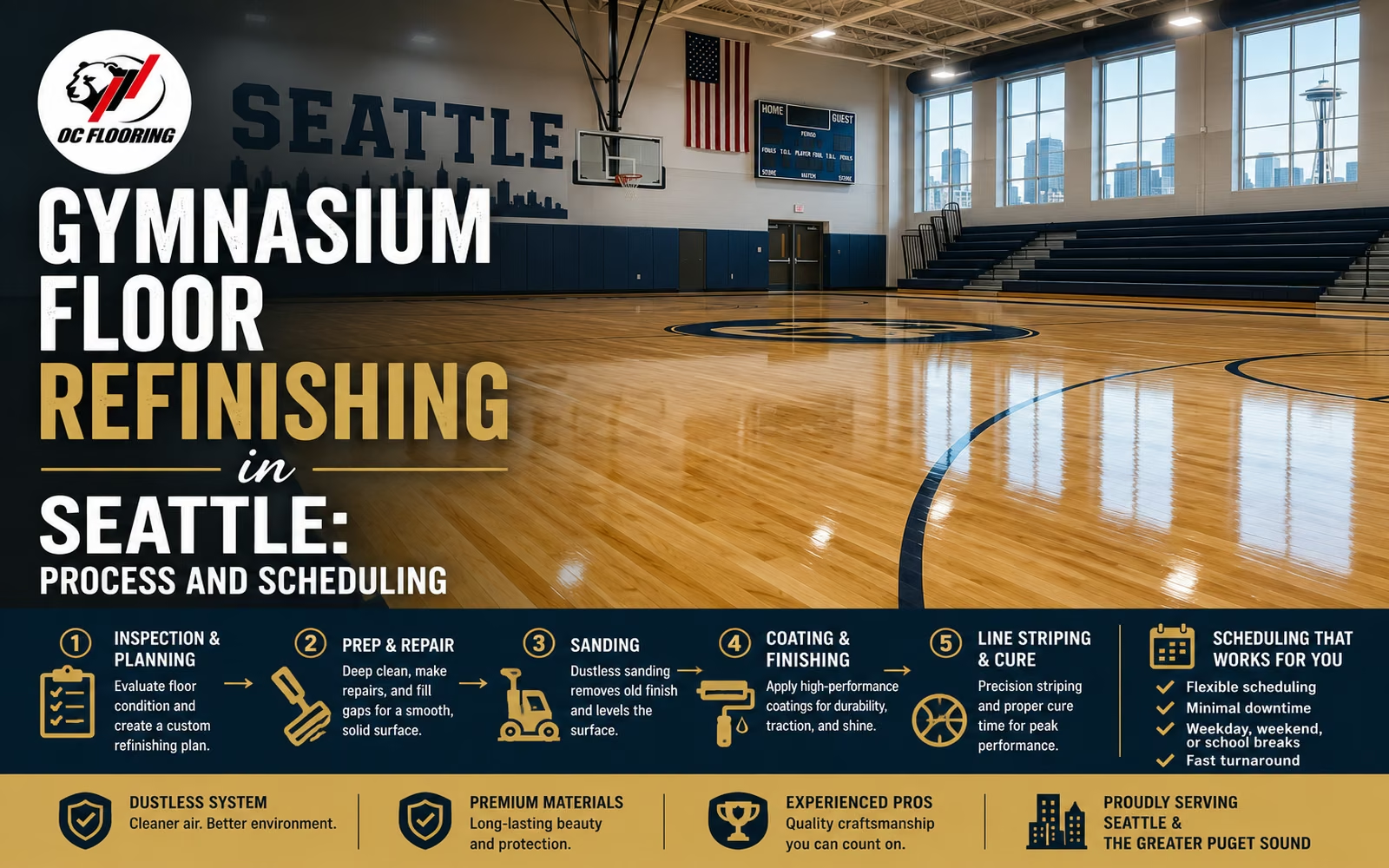
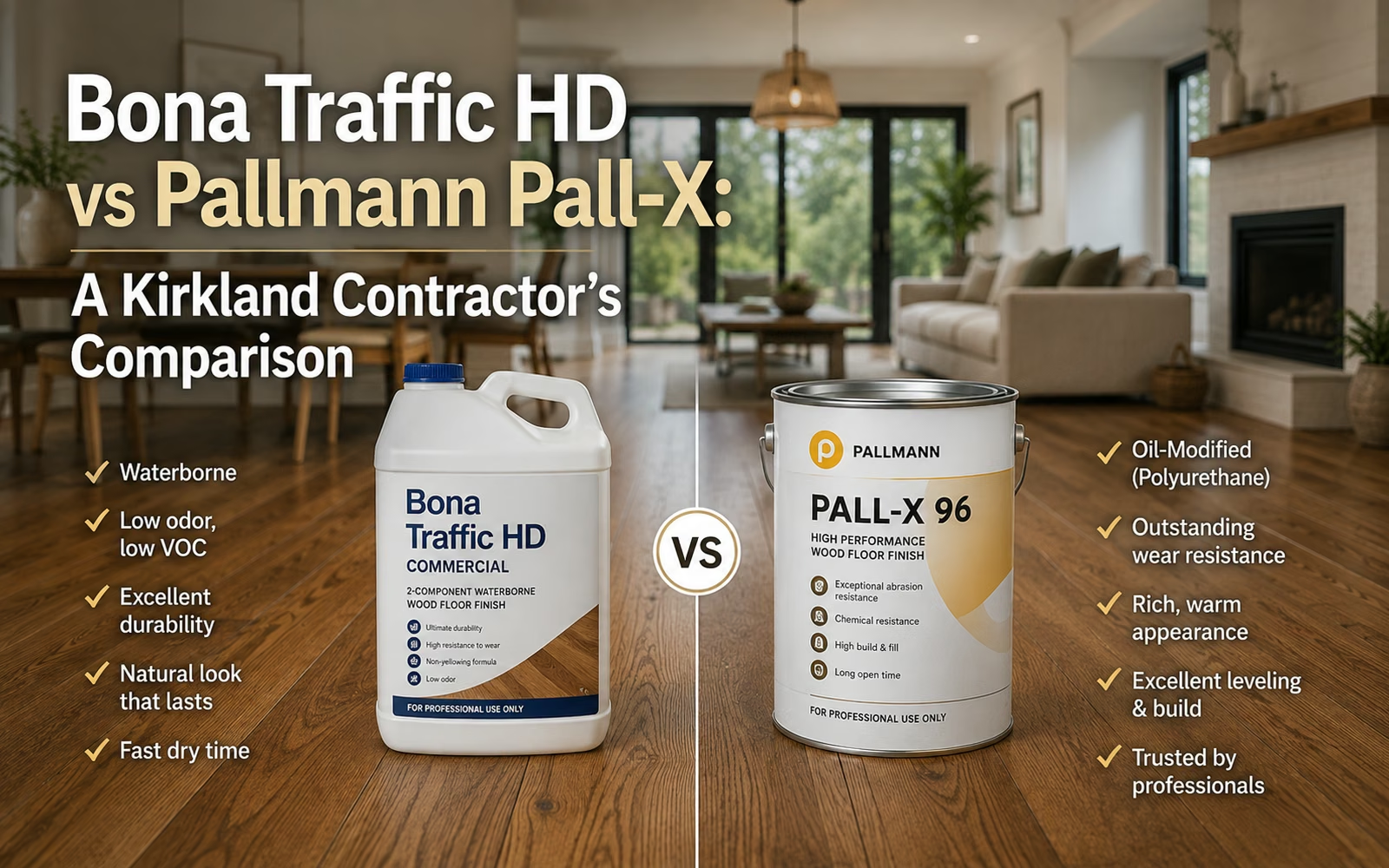
The answer you want: three grits minimum (coarse to fine, each erasing the last one’s scratches), edges blended into the field, and a named commercial finish system with two to three coats and abrasion between them. We run Bona waterborne systems and will happily bore you with why. The red flag: “we sand it and put poly on it.” That sentence contains no commitments at all — not the grit sequence, not the coat count, not the product. You’d be surprised how many quotes reduce to exactly that sentence when you ask this question. What “done right” includes is documented in our guide to what a quality refinish involves.
Question 4: What Exactly Does This Quote Include?
The answer you want: an itemized scope — square footage measured (not guessed from Zillow), repairs listed board by board, stairs per tread, appliance and washer/dryer moves priced if you need them ($80 and $160 with us), containment, and the finish spec from Question 3 in writing. Itemization isn’t bureaucracy; it’s the only way two bids can be compared at all. The red flag: a single lump-sum number delivered over the phone, sight unseen. Floors get quoted low over the phone and adjusted upward in person — always in the same direction, somehow.
Question 5: What’s the Schedule — Down to When We Can Walk on It?
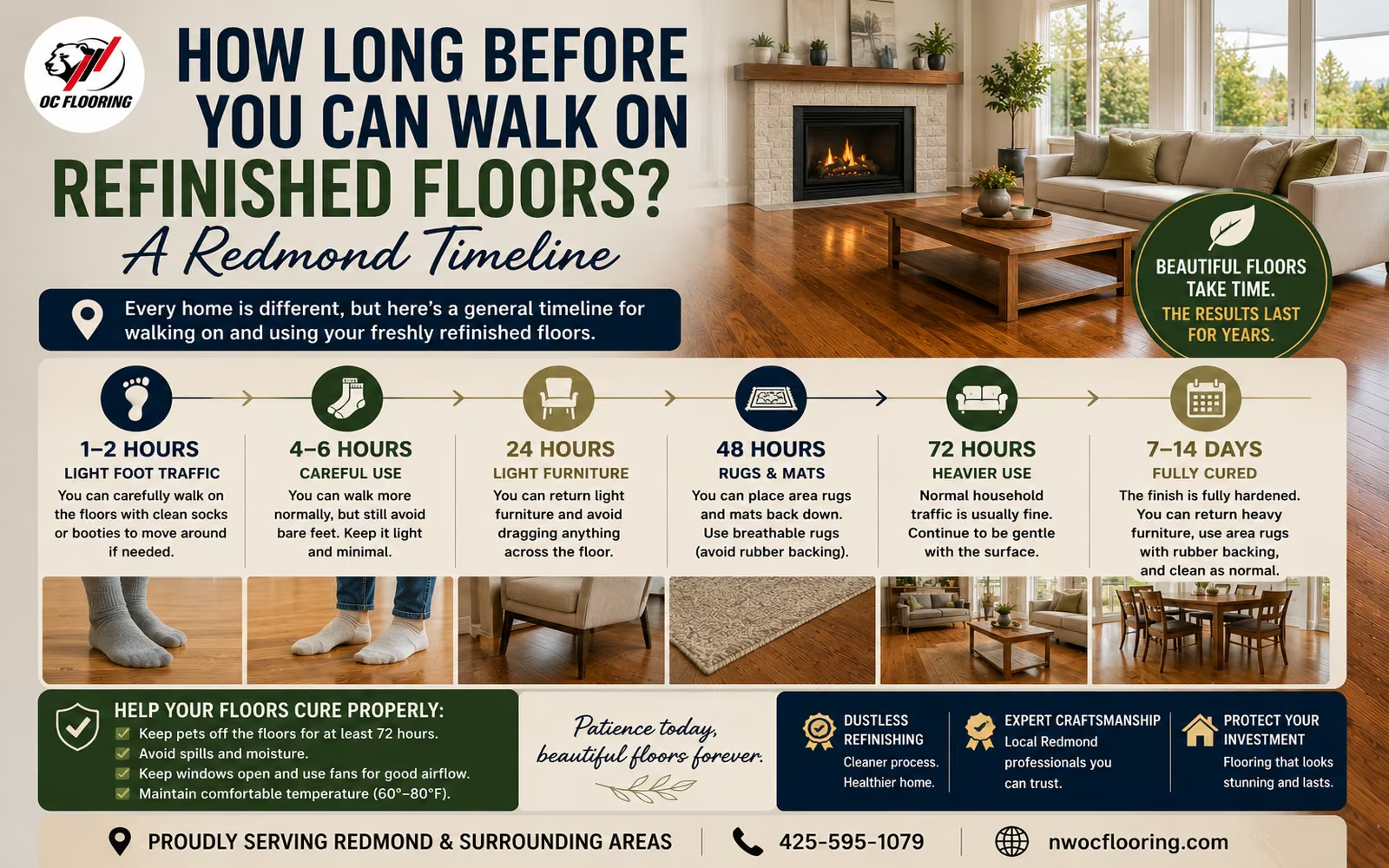
The answer you want: a day-by-day plan with the cure milestones attached: socks at 24 hours (waterborne), furniture at 48–72 hours, rugs after a week or two, and who moves what. A pro volunteers these numbers because managing them is the job. The red flag: “couple of days, you’ll be fine.” Vague scheduling is how families end up sleeping at grandma’s an extra two nights, or worse — furniture dragged onto day-old finish.
The Compressed Version: Green Lights vs. Walk Away
Green lights
- Registration number and insurance certificate offered unprompted
- Dust plan with equipment named, vents sealed, containment priced
- Grit sequence, finish brand, and coat count written into the scope
- Itemized quote from an in-home measure, stairs and moves included
- Cure timeline volunteered: 24 hours socks, 48–72 furniture, 1–2 weeks rugs
Walk away
- Hesitation about licensing, or paperwork promised for later
- Dust handled by cleaning up afterward
- The scope is the sentence: we sand it and put poly on it
- Lump-sum phone quote, sight unseen, pressure to book today
- No written warranty — quality crews put one in writing (ours is 1 year)
One last local note: in King and Snohomish County, ask specifically whether the crew has worked on your home’s era. Pre-1950 Seattle and Everett homes carry soft old-growth fir that punishes aggressive sanding; 80s–2000s Eastside oak is forgiving by comparison. A refinisher who asks the age of your house before quoting it is a refinisher who has learned that lesson somewhere.
Hiring a Floor Refinisher: What Homeowners Ask Us
How do I verify a flooring contractor's license in Washington State?
How many refinishing quotes should I get?
What should a written refinishing quote include?
Is a large upfront deposit normal for floor refinishing?
Who will actually be doing the work in my house?
What insurance should a floor refinishing company carry?
Why do refinishers have minimum project sizes?
Should the contractor check my floor before quoting a price?
What questions will a good refinisher ask me?
Ask Us All Five — We Like Homeowners Who Do Homework
License number, insurance certificate, named finish system, itemized scope, day-by-day schedule: we bring the answers to the estimate. Free in-home visits across King & Snohomish County.
Related reading: What a quality refinish includes · 2026 refinishing cost guide · Living through a dust-free refinish · Book a free estimate