


The best carpet depends on the room, foot traffic, comfort, and cleaning needs. Bedrooms may prioritize softness, while living rooms and stairs need a product rated for regular wear. Compare the fiber, pile construction, cushion, stain resistance, and warranty as a complete system. Hardwood and vinyl are useful alternatives where their care and performance suit the room.
OC Flooring offers carpet installation alongside hardwood and vinyl flooring services. This guide helps you compare types of carpet and decide where a soft surface fits your home. It is a selection guide, not a tested ranking of ten carpet brands.
How to Choose the Best Carpet for Each Room
- Bedrooms: Compare softness and cushion with the amount of wear the room receives.
- Living rooms: Look for a carpet suited to regular foot traffic, furniture, and your cleaning routine.
- Stairs: Confirm that the carpet and cushion are approved for stairs, and ask how edges and seams will be finished.
- Pet households: Compare stain resistance and warranty exclusions. Loop pile can catch claws; a suitable cut pile may be easier to live with.
There is no single perfect carpet for every household. Compare samples at home and review the Carpet and Rug Institute's selection guidance. For budgeting, see our Seattle carpet installation cost guide.
How Carpet Took Over — and Where It's Retreating
the decade tufting machines and synthetic fibers made wall-to-wall carpet cheap enough for every American home. Before that, hardwood was simply the default floor.
a realistic lifespan for wall-to-wall carpet depending on quality and traffic — versus a hardwood floor that gets re-sanded, not replaced, for generations.
where countless pre-1980s Puget Sound homes still hide original oak and fir, carpeted over during mid-century remodels. Always look before you buy new flooring.

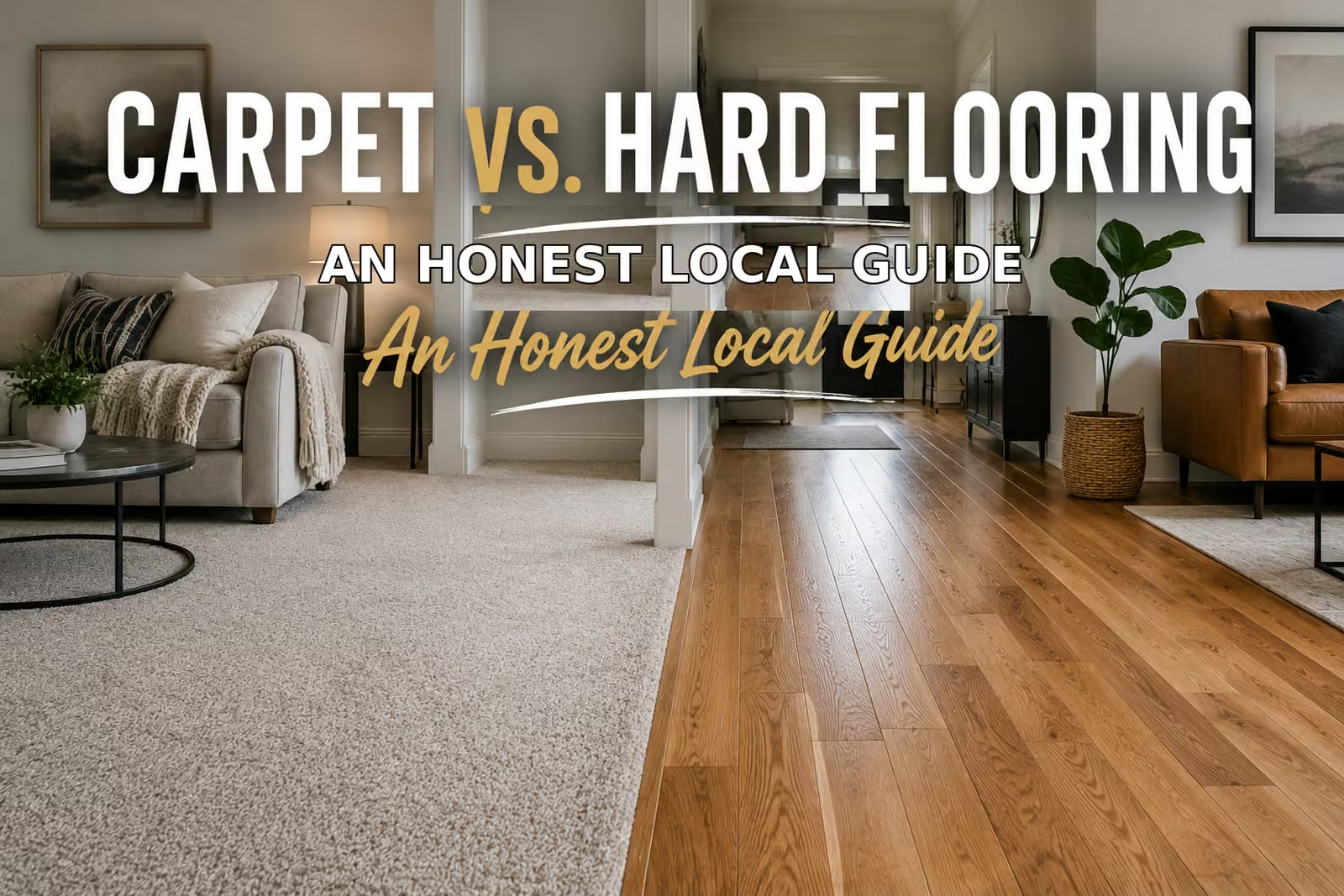
Choose flooring room by room. Carpet provides softness and absorbs sound. Hardwood, laminate, and vinyl offer different surfaces and cleaning routines. Consider tracked-in dirt, spills, pets, and the upkeep you are willing to do. Product specifications and the condition of the subfloor matter more than a trend.
The Honest Comparison
| Carpet | Hard flooring (wood, LVP, laminate) | |
|---|---|---|
| Upfront cost | Usually cheapest per sq ft installed | Higher — installation labor typically $3–$4.25/sq ft plus materials |
| Lifespan | 5–15 years, then full replacement | Decades; hardwood is renewable by refinishing |
| Wet shoes, spills, pets | Spills may reach the carpet or cushion; clean promptly | Wipe spills promptly; water resistance and installation limits depend on the product |
| Allergies | Collects dust and dander; regular vacuuming and cleaning are needed | Smooth surfaces make loose dust easier to see and remove; all floors need regular cleaning |
| Warmth and quiet | Unbeatable — this is carpet’s home turf | Harder and louder; rugs close part of the gap |
| Resale in our market | Neutral upstairs, a minus on main floors | What buyers expect in main living areas |
Compare the purchase price with expected care, repairs, and replacement. Longevity varies by material, product quality, traffic, and maintenance. Hardwood may be refinished when enough suitable wood remains; carpet and vinyl have different repair and replacement options.
Where Carpet Still Makes Sense in 2026
Carpet still earns its keep in
- Bedrooms — warm underfoot on dark winter mornings, and quiet
- Media and bonus rooms, where sound absorption is the whole point
- Stairs, for traction and noise — a runner over wood gives you both worlds
- Rentals where per-room replacement cost matters more than longevity
Retire it from
- Entries, halls, and main living areas in a 150-rainy-day climate
- Rooms where repeated spills or pet accidents make cleaning impractical
- Kitchens, baths, laundry — moisture plus fiber never ends well
- Basements over concrete, where damp carpet pad grows things you don’t want
Follow the carpet's care instructions, including regular vacuuming, prompt spill cleanup, and any professional cleaning required by its warranty. For hard flooring, follow that product's cleaning guidance too. Avoid assuming one cleaning method suits every surface.
Before You Spend a Dollar: Look Under the Old Carpet
This is the step we beg neighbors not to skip. In homes built before roughly 1980 — which describes most of Seattle, Everett, and the older Eastside — there is a real chance your carpet was installed over hardwood during a mid-century or 90s remodel. Pull back a corner in a closet, where the tack strip is easy to lift: if you see wood strips, you may own a hardwood floor already, and refinishing it (from $3.99/sq ft) almost always costs less than new flooring of any kind. Staple holes, paint spatter, even pet stains are routine fixes; we sand carpeted-over floors back to beautiful every month. If the reveal shows plywood instead, you've lost five minutes.
If You're Replacing Carpet, Replace It With the Right Thing
Match the successor to the room, not to a trend. Bedrooms upstairs: hardwood or laminate, with a big washable rug if you'll miss the softness. Main floors: real wood where the budget allows — it's what the Pacific Northwest climate guide recommends for living areas — or quality LVP where water and dogs rule. Stairs: hardwood treads with a runner beats fully carpeted stairs on both looks and longevity. And basements get waterproof LVP, full stop. We're happy to walk your specific rooms in a free estimate and tell you which floors we'd put where — including the rooms where we'd tell you to keep the carpet.
Carpet vs. Hard Flooring, Asked and Answered
Is carpet outdated in 2026?
When does carpet still make sense in a home?
Is carpet or hard flooring cheaper over twenty years?
Does wall-to-wall carpet hurt resale value in the Seattle area?
Do buyers expect hardwood instead of carpet in bedrooms now?
How can I check for hardwood under my carpet without wrecking it?
Is carpet warmer than hardwood in winter?
What does it cost to switch from carpet to hard flooring?
What should go on stairs instead of carpet?
Pulling Up Old Carpet? Let’s See What’s Under It
Free in-home estimates across King and Snohomish County. If there’s hardwood under your carpet we’ll tell you — and quote both paths so you can do the math yourself.
Related reading: Best flooring for the Pacific Northwest climate · What refinishing costs in 2026 · Allergy-friendly flooring for pet households · Floor refinishing